
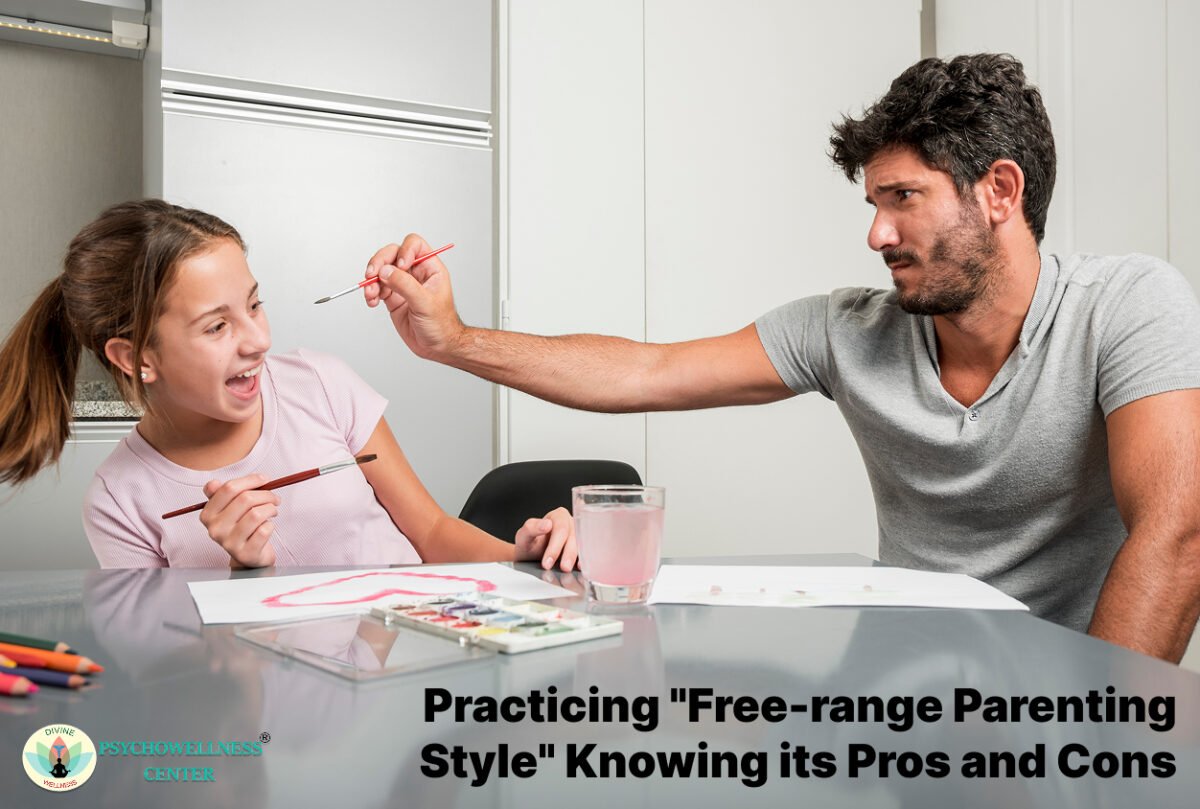
Parenting styles continue to evolve as families search for healthier, more balanced ways to raise confident, emotionally stable, and capable children. One approach that has gained attention over the past decade is Free-Range Parenting, a style that emphasises independence, autonomy, and trust. While many parents appreciate its potential to build resilience and problem-solving skills, others worry about safety, social judgment, and legal implications. Understanding both the benefits and challenges can help parents make a grounded and informed decision about whether this approach fits their family’s values and lifestyle.
What Is Free-Range Parenting?
Free-range parenting is a child-rearing philosophy that encourages age-appropriate independence. Children are given more freedom to explore, make decisions, and learn from natural consequences while still having emotional security and guidance from caregivers. Parents practising this style trust their children’s abilities and believe that exposure to real-world experiences helps them grow into responsible adults.
This approach contrasts with more protective parenting models, such as helicopter parenting or intensive parenting, where children have less autonomy, and parents stay closely involved in every activity.
Why the Free-Range Parenting Style Has Gained Popularity
Modern parents have become increasingly aware of how overprotection might hinder emotional development. Research suggests that well-meaning but constant supervision can unintentionally increase anxiety, reduce problem-solving skills, and limit self-confidence. With rising concerns about children’s mental health, parents are exploring styles that build resilience, self-efficacy, and practical life skills.
Additionally, many parents today want their children to experience the kind of freedom they themselves enjoyed growing up, playing outdoors, taking small risks, and learning independence naturally.
Pros of Free-Range Parenting
1. Builds Strong Self-Confidence
Allowing children to handle tasks independently, like walking to school, buying something at a shop, or managing small challenges, helps them feel capable. Research in developmental psychology shows that autonomy directly boosts self-esteem and intrinsic motivation (Deci & Ryan, 2000).
2. Encourages Problem-Solving Skills
Free-range environments expose children to real-life uncertainties. When they navigate minor difficulties on their own, they learn to think critically, evaluate risks, and make decisions. These skills prepare them for adulthood far better than constant supervision does.
3. Reduces Anxiety and Dependence
Studies highlight that children who grow up in overcontrolled environments often struggle with anxiety and fear of failure (Affrunti & Ginsburg, 2012). Free-range parenting counters this by helping children trust themselves rather than relying on adults for every solution.
4. Promotes Physical Health
Free-range parenting typically includes more outdoor play, walking, cycling, and unstructured exploration. Natural environments improve physical fitness, regulate stress, and strengthen emotional well-being.
5. Develops Resilience Through Natural Consequences
Children learn from real experiences: forgetting homework teaches responsibility, climbing trees teaches risk assessment, and navigating small conflicts teaches emotional control. These micro-lessons build emotional resilience that structured, over-managed childhoods sometimes lack.
6. Strengthens Social Skills
Independent play and exploration lead to more peer interaction. Children learn negotiation, cooperation, and communication without adults constantly mediating.
Cons of Free-Range Parenting
1. Safety Concerns
The biggest worry for parents is safety, traffic, strangers, or unexpected accidents. Although statistics show that many fears are exaggerated, the possibility of harm can make parents anxious.
2. Social Judgment and Criticism
In societies where intensive parenting is the norm, free-range parents may face criticism from relatives, neighbors, or school authorities. People might misinterpret independence as neglect, even when parents are mindful and intentional.
3. Legal Restrictions in Some Regions
Some countries have strict child supervision laws. Allowing a child to walk alone or visit a park unattended could lead to accusations of neglect. This makes free-range parenting difficult in certain communities.
4. Requires Maturity and Readiness in the Child
Not all children develop at the same pace. Some may feel overwhelmed if given too much freedom too early. Parents need to assess age, emotional readiness, safety awareness, and personality before increasing independence.
5. Balancing Freedom and Structure Can Be Challenging
Free-range parenting does not mean “no boundaries.” Children still need clear expectations, safety rules, and moral guidance. Finding the right balance between freedom and supervision is often tricky for parents.
6. Risk of Misinterpretation
Some parents assume free-range means letting the child do everything on their own without support. But without emotional guidance and connection, independence may turn into isolation. The approach must be thoughtful and relationship-based.
How to Practice Free-Range Parenting Safely and Effectively
Start Small
Introduce independence gradually. Allow younger children to make small decisions or explore safe spaces nearby.
Teach Safety Skills
Before giving freedom, teach children about traffic, strangers, danger signals, communication, and emergency responses.
Create a Trust Framework
Make agreements about when to check in, what routes to take, and what to do if something feels wrong.
Evaluate Environment
Not every neighbourhood is suited for free-range parenting. Assess factors such as traffic, community trust, and proximity to safe spaces.
Communicate With Schools and Family
Explain your parenting approach to avoid misunderstandings. Collaboration reduces judgment and increases collective support.
Use Independence to Strengthen Connection
Celebrate effort and problem-solving. Ask children about their experiences. This builds emotional closeness rather than distance.
Conclusion
Free-range parenting can be a powerful approach when practised mindfully. It fosters confidence, resilience, independence, and strong identity formation qualities essential for children to thrive in a rapidly changing world. However, it also presents challenges, including safety concerns, social criticism, and the need for balanced supervision. The key lies in finding a personalised middle ground where children feel trusted while remaining emotionally supported and guided. For parents navigating these concerns, professional counselling and therapy can be immensely helpful. You may seek online counselling at TalktoAngel, where licensed psychologists offer evidence-based approaches such as CBT, mindfulness, and stress-management therapy to support mindful parenting from the comfort of your home. For offline counselling, the Psychowellness Center in Dwarka Sector-17 and Janakpuri (011-47039812 / 7827208707) provides personalised therapy sessions with some of the best psychologists near me, helping parents build emotional resilience, clarity, and confidence in their parenting choices.
Contribution: Dr. R.K. Suri, Clinical Psychologist, and Ms. Sheetal, Counselling Psychologist
References
Affrunti, N., & Ginsburg, G. S. (2012). Maternal overcontrol and child anxiety: The mediating role of perceived competence. Child Psychiatry & Human Development, 43(1), 102–112.
Deci, E. L., & Ryan, R. M. (2000). The “what” and “why” of goal pursuits: Human needs and the self-determination of behavior. Psychological Inquiry, 11(4), 227–268.
Gray, P. (2013). Freedom to learn: The roles of play and curiosity as foundations for learning. American Journal of Play, 5(3), 241–256.
Skenazy, L. (2009). Free-range kids: Giving our children the freedom we had without going nuts with worry. John Wiley & Sons.
Ungar, M. (2011). The social ecology of resilience: Addressing contextual and cultural ambiguity of a nascent construct. American Journal of Orthopsychiatry, 81(1), 1–17.
https://www.psychowellnesscenter.com/Blog/exploring-the-benefits-of-effective-parenting/
https://www.psychowellnesscenter.com/Blog/thriving-through-highs-and-lows-of-parenting/
https://www.psychowellnesscenter.com/Blog/refining-the-parents-role-in-the-early-years/
https://www.psychowellnesscenter.com/Blog/a-guide-to-mindful-parenting/
https://www.psychowellnesscenter.com/Blog/becoming-confident-in-parenting-abilities/
https://www.psychowellnesscenter.com/Blog/impact-of-parenting-styles-on-marital-satisfaction/
https://www.psychowellnesscenter.com/Blog/impact-of-parenting-styles-on-marital-satisfaction/
https://www.psychowellnesscenter.com/Blog/best-child-psychologist-in-tilak-nagar/
https://www.talktoangel.com/blog/mental-health-services-for-student-wellness-centers
https://www.psychowellnesscenter.com/Blog/marriage-counselling-things-you-should-know/
https://www.psychowellnesscenter.com/Blog/best-marriage-counsellor-in-dwarka-sector-21-delhi/