
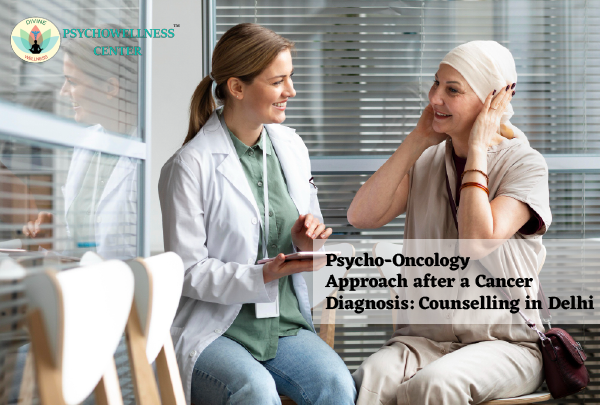
A cancer diagnosis can feel like life has suddenly split into two parts — before and after. In a single medical appointment, an individual may move from routine living to confronting uncertainty, fear, and complex treatment decisions. While medical science focuses on treating the disease, the emotional and psychological impact of cancer often unfolds quietly, yet profoundly.
This is where Psycho-oncology becomes essential. Psycho-oncology is a specialised area of mental health care that addresses the psychological, emotional, social, and behavioural aspects of cancer. It recognises that cancer affects not only the body, but also the mind, relationships, identity, and overall quality of life. In a city like Delhi, where advanced medical facilities are available but emotional support systems can sometimes feel stretched, psycho-oncology counselling provides a structured, compassionate approach to coping and healing.
The Emotional Shock of a Cancer Diagnosis
For many individuals, the moment of diagnosis is overwhelming. Even when detected early, the word “cancer” carries deep psychological weight. Common immediate reactions include:
- Shock and disbelief
- Fear of death or disability
- Anxiety about treatment procedures
- Worry about family and financial responsibilities
- Anger or frustration
- Emotional numbness
Over time, these initial reactions may evolve into persistent anxiety, depressive symptoms, sleep disturbances, irritability, or social withdrawal. Some individuals become hyper-focused on medical information, while others avoid discussions about their illness altogether. Both responses are understandable coping mechanisms.
Without psychological support, prolonged emotional distress can affect immune functioning, reduce motivation to follow treatment protocols, and lower overall quality of life. Emotional well-being is not separate from physical recovery — it is closely interconnected.
Understanding the Psycho-Oncology Approach
Psycho-oncology integrates psychological care into cancer treatment. It does not replace medical treatment but works alongside oncologists and healthcare teams to support holistic wellbeing.
A psycho-oncology approach typically includes:
- Emotional Processing and Validation
Patients are given a safe, confidential space to express their fears, grief, anger, and uncertainty. Many individuals hesitate to share their emotions with family members because they do not want to “burden” them. Therapy allows honest expression without judgment. Psychologists help normalise emotional reactions, reducing feelings of isolation. Understanding that anxiety or sadness is a natural response to diagnosis can itself be deeply relieving.
- Managing Anxiety and Depression
Cancer-related anxiety may revolve around treatment outcomes, side effects, recurrence, or mortality. Depression may arise due to lifestyle changes, physical discomfort, or feelings of loss. Evidence-based interventions such as Cognitive Behavioural Therapy (CBT), mindfulness-based stress reduction, relaxation training, and supportive psychotherapy are commonly used in psycho-oncology.
These approaches help individuals:
- Challenge catastrophic thinking
- Improve emotional regulation
- Reduce rumination
- Enhance coping skills
- Improve sleep patterns
Psychological support can significantly improve emotional stability during chemotherapy, radiation, surgery, or long-term treatment.
- Coping withoverall physical changes & body image
Cancer treatments may lead to hair loss, surgical scars, weight changes, fatigue, or physical limitations. For some, the body may feel unfamiliar or betrayed.
Psycho-oncology counselling supports individuals in:
- Rebuilding body confidence
- Processing grief related to physical changes
- Developing self-compassion
- Strengthening personal identity beyond illness
This work is particularly important for younger patients or individuals whose professional and social identities are closely tied to physical appearance or energy levels.
- Supporting Family and Caregivers
Cancer does not affect only the diagnosed individual. Spouses, parents, children, and caregivers often experience emotional exhaustion, anxiety, and anticipatory grief. Many caregivers suppress their own distress while focusing entirely on the patient’s needs.
Psycho-oncology includes family counselling sessions that address:
- Communication breakdowns
- Role changes within the family
- Caregiver burnout
- Parenting concerns
- Emotional misunderstandings
Open communication fosters resilience and shared strength during challenging times.
- Addressing Existential and Spiritual Concerns
A cancer diagnosis often raises deeper questions about meaning, purpose, mortality, and legacy. Individuals may struggle with questions such as:
- “Why me?”
- “What does this mean for my future?”
- “How do I prepare my family?”
- “What truly matters now?”
Psycho-oncology provides space for existential exploration without imposing beliefs. Therapy can help individuals reconnect with personal values, spirituality, and sources of hope.
Psycho-Oncology Across Different Phases of Cancer
Emotional needs change across stages of illness:
At Diagnosis
Focus is on shock management, emotional stabilisation, and decision-making support.
During Treatment
Support centres on coping with side effects, maintaining motivation, managing uncertainty, and preventing depression.
Post-Treatment (Survivorship)
Many assume relief follows treatment completion, but survivors may experience “scanxiety” (fear of recurrence), identity confusion, or difficulty returning to normal routines.
Recurrence or Advanced Illness
Therapy may focus on emotional acceptance, dignity, comfort, family conversations, and meaning-centred care.
Why Psycho-Oncology Counselling Is Important in Delhi
In a fast-paced city like Delhi, patients often navigate crowded hospitals, complex treatment plans, and time constraints. Emotional distress may go unaddressed amid medical priorities.
Professional counselling ensures:
- Early identification of psychological distress
- Improved treatment adherence
- Reduced emotional suffering
- Better family adjustment
- Enhanced overall quality of life
Mental health care should be considered a standard component of comprehensive cancer care, not an optional addition.
Common Signs That Psychological Support May Be Needed
Individuals should consider psycho-oncology counselling if they experience:
- Persistent sadness or hopelessness
- Excessive worry about medical outcomes
- Panic attacks
- Sleep disturbances
- Social isolation
- Irritability or anger outbursts
- Difficulty making medical decisions
- Loss of interest in previously meaningful activities
Early intervention prevents emotional challenges from escalating into clinical depression or severe anxiety disorders.
A Clinical Psychologist’s Function in Cancer Treatment
A trained clinical psychologist in psycho-oncology:
- Conducts emotional assessments
- Develops individualised coping plans
- Teaches stress-reduction techniques
- Facilitates family discussions
- Provides grief and loss counselling
- Supports resilience-building
Therapy sessions are tailored to the individual’s personality, cultural background, medical condition, and emotional goals.
Reducing Stigma Around Seeking Counselling
In many communities, including parts of India, seeking psychological help may still carry stigma. However, cancer is a life-altering event. Emotional support is not a weakness — it is a strength and a proactive step toward holistic healing. Just as patients consult oncologists for physical treatment, consulting a psychologist for emotional well-being is equally important.
Conclusion
For individuals and families navigating the emotional challenges of cancer, the Psychowellness Center in Delhi offers professional counselling services. Their experienced clinical psychologists provide evidence-based therapies such as CBT, supportive psychotherapy, stress management techniques, and family counselling, focusing on holistic care for anxiety, depression, relationship strain, caregiver burnout, and adjustment difficulties. Sessions are conducted in a compassionate, confidential, and client-centred environment, respecting individual experiences and coping styles. Whether you are undergoing treatment, in remission, or supporting a loved one, seeking professional support can enhance resilience and emotional well-being. Consulting a counselling center near me, a counsellor near me, or a therapist near me can be the first step toward restoring emotional balance and inner strength.
To better understand the emotional impact of cancer and the role of psycho-oncology, you can watch these videos. They highlight how psychological support helps patients and caregivers cope with stress, fear, and emotional challenges during treatment.
Contribution: Dr. R.K. Suri, Clinical Psychologist, and Ms. Riya Rathi, Counselling Psychologist
References
- Breitbart, W., & Alici, Y. (2009). Psycho-oncology. Harvard Review of Psychiatry, 17(6), 361–376. https://doi.org/10.3109/10673220903449091
- Faller, H., Schuler, M., Richard, M., Heckl, U., Weis, J., & Küffner, R. (2013). Effects of psycho‐oncologic interventions on emotional distress and quality of life in adult patients with cancer: Systematic review and meta‐analysis. Journal of Clinical Oncology, 31(6), 782–793. https://doi.org/10.1200/JCO.2011.40.8922
- Holland, J. C., Andersen, B., Breitbart, W. S., Buchmann, L. O., Compas, B., Deshields, T. L., … Freedman-Cass, D. A. (2013). Distress management. Journal of the National Comprehensive Cancer Network, 11(2), 190–209. https://doi.org/10.6004/jnccn.2013.0027
- National Comprehensive Cancer Network. (2023). NCCN clinical practice guidelines in oncology: Distress management (Version 2.2023). https://www.nccn.org