
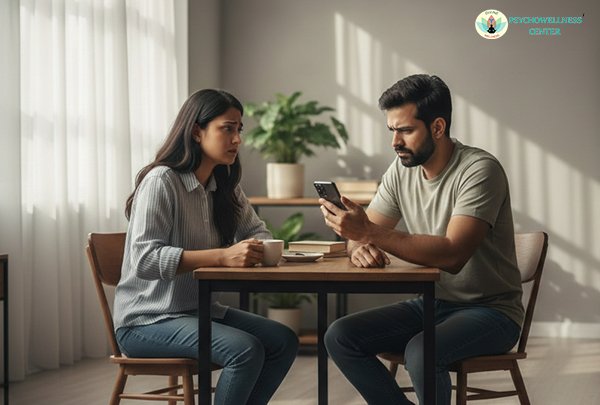
The psychology of “pocketing” explores why some partners keep their relationships hidden from friends, family, or social circles, leaving the other person feeling confused, excluded, or emotionally sidelined. In an age where relationships are often publicly displayed through social media and shared networks, being kept a secret can feel deeply invalidating. Pocketing is not always about infidelity – sometimes it reflects fear, insecurity, or unresolved emotional conflict. But regardless of the reason, it can significantly impact trust, attachment, and mental well-being.
Have you ever dated someone who avoids introducing you to their friends? Who never posts about you? Who changes the subject when plans involve family gatherings? At first, it might seem harmless. Maybe they are private. Maybe they are “just not into social media.” But over time, the pattern can start to feel isolating.
The emotional impact of pocketing often shows up as subtle self-doubt. You may begin questioning your worth, wondering whether you are “good enough” to be acknowledged. This can trigger anxiety, low confidence, and even symptoms of depression, particularly if the secrecy continues without explanation.
What Is Pocketing, Really?
Pocketing refers to intentionally keeping a partner hidden from significant areas of one’s life. This may include not introducing them to close friends or family, avoiding public acknowledgement, or maintaining separate social identities.
Unlike privacy, which involves healthy boundaries, pocketing creates emotional exclusion. Privacy says, “I value intimacy.” Pocketing often communicates, “I am not ready to claim this relationship.”
Over time, the person being hidden may experience relationship problems such as mistrust, insecurity, and emotional distance. When clarity is absent, the mind fills the gaps, often with self-blame.
Why Do Some Partners Pocket Their Relationships?
The reasons vary and are often psychological rather than malicious.
1. Fear of Commitment
Some individuals associate public acknowledgement with permanence. Introducing a partner to friends or family can symbolically mean “this is serious.” For someone who fears long-term attachment, pocketing becomes a protective mechanism.
2. Avoidant Attachment Patterns
Individuals with avoidant attachment styles may struggle with emotional closeness. Keeping the relationship compartmentalised allows them to maintain control and emotional distance.
3. Unresolved Past Trauma
Previous betrayal, heartbreak, or family conflict may lead someone to guard their personal life intensely. In such cases, pocketing may reflect unresolved emotional wounds rather than rejection.
4. Social or Cultural Pressures
Sometimes pocketing stems from fear of judgment related to family expectations, religion, caste, career image, or even gender identity concerns. This is especially relevant in conservative environments where public acknowledgement carries social consequences.
5. Maintaining Multiple Options
In more concerning cases, pocketing may indicate emotional unavailability or the presence of another relationship. When secrecy is combined with inconsistency, it can create patterns seen in toxic relationships.
The Emotional Impact of Being Hidden
Being kept a secret can slowly erode emotional stability. Humans are wired for belonging. When a partner excludes you from important parts of their life, it can trigger feelings of loneliness and low self-confidence.
Over time, you may notice:
- Increased overthinking
- Constant reassurance-seeking
- Heightened stress
- Emotional withdrawal
- Fear of abandonment
These emotional reactions are not signs of “neediness.” They are natural responses to relational ambiguity.
Research in attachment psychology suggests that perceived relational rejection activates the same neural pathways as physical pain. This explains why pocketing can feel so deeply hurtful.
Pocketing vs. Privacy: Knowing the Difference
It is important to differentiate between healthy privacy and unhealthy secrecy.
Healthy privacy:
- Is openly communicated
- Has reasonable boundaries
- Includes reassurance
- Evolves as trust grows
Unhealthy pocketing:
- Avoids discussion
- Triggers defensiveness
- Persists despite emotional discomfort
- Leaves one partner feeling hidden or secondary
When attempts to discuss the issue lead to dismissal or gaslighting, the emotional toll may intensify.
How Pocketing Affects Mental Health
Prolonged emotional exclusion can increase vulnerability to social isolation, particularly if the relationship becomes the primary emotional connection. This can compound Anxiety and depressive symptoms.
Some individuals begin experiencing:
- Sleep disturbances
- Appetite changes
- Rumination
- Mood swings
- Reduced focus at work
Without healthy communication, pocketing can escalate into chronic mistrust and resentment.
When Communication Breaks Down
If conversations about visibility repeatedly end in arguments or avoidance, professional help may be beneficial. Seeking relationship counselling can create a neutral space to unpack the fears, assumptions, and expectations underlying the secrecy.
A trained relationship therapist helps couples explore:
- Attachment styles
- Fear of vulnerability
- Communication patterns
- Emotional boundaries
- Commitment expectations
Often, pocketing is not about the partner being “unworthy”, it is about the other partner’s unresolved internal conflicts.
How Therapy Can Help
Therapeutic approaches such as CBT, DBT, and ACT can help individuals challenge self-critical thoughts triggered by being hidden. For example, shifting from “I’m not good enough” to “Their behaviour reflects their fear, not my worth.”
Approaches like Motivational interviewing can support partners who struggle with commitment, helping them clarify values and readiness for relational growth.
In couples work, emotionally focused strategies within couple therapy strengthen secure attachment and encourage transparency.
If you are unsure where to begin, searching for a psychologist near me or exploring online therapy options can provide accessible support.
Reflecting on Your Own Needs
Ask yourself:
- Do I feel proud and acknowledged in this relationship?
- Have I communicated how this secrecy affects me?
- Is my partner willing to meet me halfway?
- Am I compromising my values for temporary comfort?
Healthy relationships are built on mutual respect and visibility. Being acknowledged is not about social media posts; it is about emotional inclusion.
Reclaiming Emotional Stability
If you are currently experiencing the effects of pocketing, prioritise emotional grounding:
- Maintain independent friendships
- Engage in fulfilling activities
- Practise self-compassion
- Avoid over-monitoring your partner
- Set clear boundaries
Seeking psychological counselling can help rebuild self-worth and restore emotional clarity. Therapy does not dictate whether you should stay or leave – it helps you make decisions from strength rather than fear.
Understand the psychology behind relationships on-
Conclusion
Pocketing may appear subtle, but its emotional consequences are deeply significant. Being hidden in a relationship can gradually erode trust, diminish self-esteem, and create emotional insecurity. At its core, pocketing often reflects unresolved fears- fear of commitment, fear of judgment, or fear of vulnerability and accountability.
If you find yourself feeling anxious, excluded, confused, or emotionally unsettled because your relationship is kept private without clarity, your feelings are valid. Healthy love does not flourish in secrecy. It thrives in openness, respect, and mutual acknowledgement. Transparency builds security, while concealment breeds doubt.
You deserve to feel chosen, valued, and proudly acknowledged, not hidden or kept in the shadows.
The Psychowellness Center (Contact: 011-47039812 / 7827208707), with locations in Dwarka Sector-17 and Janakpuri, New Delhi, provides specialised therapeutic care through personalised counselling approaches that address emotional regulation, relationship concerns, stress management, and overall psychological well-being. For individuals searching for the best psychologist near me or seeking flexible and confidential access to care, online platforms like TalktoAngel connect individuals with experienced psychologists who support anxiety management, relationship clarity, and long-term emotional resilience. Together, these evolving treatment options offer renewed hope, making effective, compassionate, and individualised relationship support more accessible than ever.
Contribution: Dr. R.K. Suri, Clinical Psychologist, and Ms. Arushi, Counselling Psychologist
References
Eisenberger, N. I., Lieberman, M. D., & Williams, K. D. (2003). Does rejection hurt? An fMRI study of social exclusion. Science, 302(5643), 290–292. https://doi.org/10.1126/science.1089134
Leary, M. R. (2015). Emotional responses to interpersonal rejection. Dialogues in Clinical Neuroscience, 17(4), 435–441.
Mikulincer, M., & Shaver, P. R. (2016). Attachment in adulthood: Structure, dynamics, and change (2nd ed.). Guilford Press.
Overall, N. C., Fletcher, G. J. O., & Simpson, J. A. (2006). Regulation processes in intimate relationships. Journal of Personality and Social Psychology, 91(4), 662–685.
https://www.psychowellnesscenter.com/Blog/how-phubbing-can-be-a-threat-to-your-relationship/
https://www.psychowellnesscenter.com/Blog/how-stonewalling-impacts-relationships/
https://www.psychowellnesscenter.com/Blog/understanding-over-functioning-in-relationships/
https://www.psychowellnesscenter.com/Blog/are-your-expectations-too-high-in-the-relationship/