
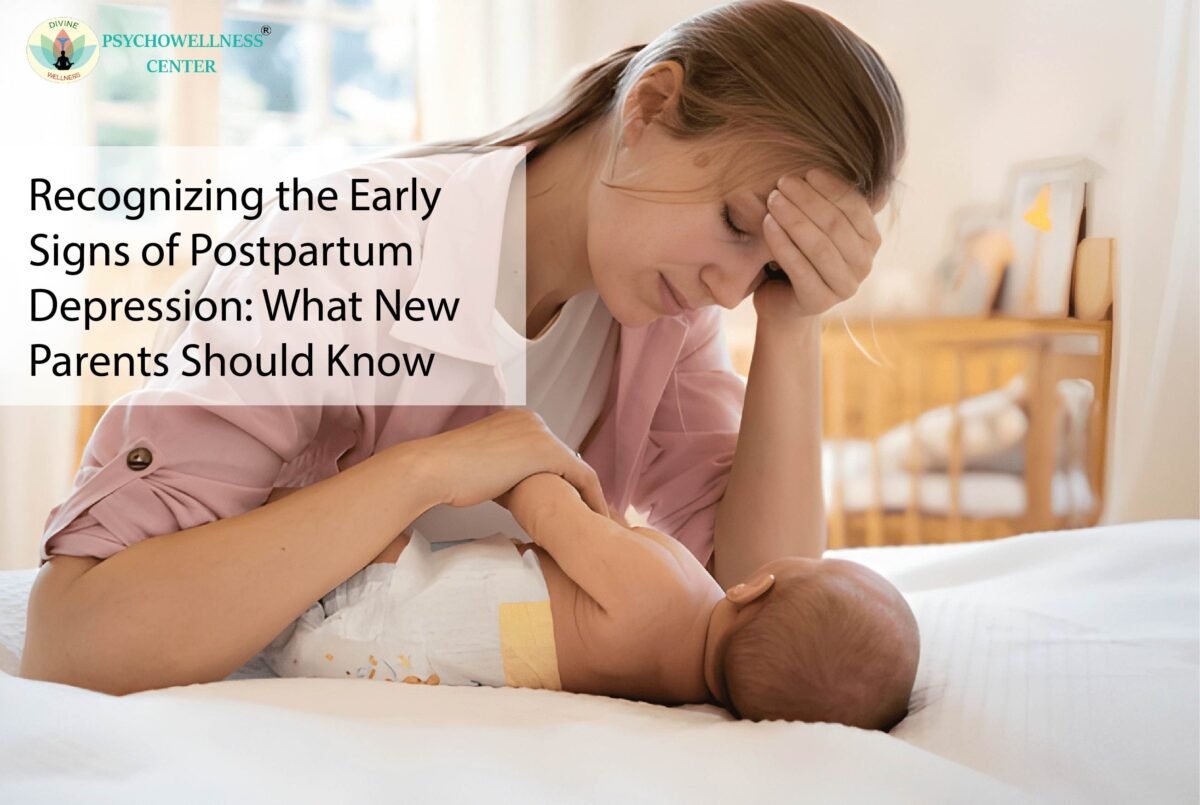
Becoming a parent is often described as one of life’s most fulfilling and transformative experiences. Yet, for many, the early days of motherhood are not only joyful but also overwhelming. Amid sleepless nights, hormonal shifts, and the pressure to adjust to new roles, some new parents, especially mothers, experience symptoms that go far beyond typical exhaustion. These may be early signs of postpartum depression (PPD), a condition that deserves compassionate attention and informed awareness.
PPD can emerge anytime within the first year after childbirth, and it looks different for every individual. The stigma surrounding mental health can make it difficult for new parents to share what they are going through, especially when cultural expectations paint early parenthood as a purely blissful phase. This blog examines the early symptoms of PPD, potential risk factors, and ways that families and couples can assist one another during this delicate period.
Understanding the Early Signs
One of the earliest indicators of PPD is persistent and overwhelming stress that does not seem to improve with rest, routine adjustments, or reassurance. While adjusting to a newborn naturally comes with challenges, prolonged feelings of being emotionally drained may be a red flag.
Some new parents may also struggle with anxiety, often manifesting as racing thoughts, excessive worry about the baby’s well-being, or constant fears of making mistakes. This anxiety can become so consuming that everyday tasks feel daunting.
In more severe cases, individuals experience deep depression, a lingering sadness, hopelessness, or a lack of pleasure in activities that once brought joy. This emotional weight can make it difficult to bond with the baby or engage with loved ones.
Other signs may include irritability or sudden bouts of anger, difficulty concentrating, withdrawal from social interactions, or disruptions in appetite and sleep patterns. These symptoms can intensify when combined with feelings of guilt, inadequacy, or being a “bad parent.”
Contributing Emotional and Social Factors
Postpartum depression rarely has a single cause. It often arises from a mixture of biological, emotional, and environmental factors. For example, unresolved trauma from a difficult labor or birth experience may trigger overwhelming emotions. Similarly, if a new parent has a history of mood disorders or past mental health struggles, their risk of PPD may be greater.
Family dynamics also play a critical role. A strained marriage or ongoing family problem can add emotional pressure when support is needed most. Tensions may arise due to unmet expectations, miscommunication, or disagreements related to parenting roles. Issues involving relationships with extended family, such as navigating cultural expectations or challenges related to in-laws adjustment, can further intensify feelings of isolation or pressure.
The transition to parenthood often impacts couples’ ability to nurture intimacy, both emotional and physical. Reduced libido, physical discomfort, or communication breakdowns can create misunderstandings or frustrations. This may lead some partners to feel neglected or disconnected, inadvertently increasing emotional distance during an already sensitive period.
When a new parent experiences social isolation, whether due to limited support, living far from family, or cultural norms discouraging external help, their emotional vulnerability increases. Lack of adult interaction, rest, or assistance with childcare can heighten the risk of PPD.
In some situations, exposure to emotional abuse, marital violence, or unresolved interpersonal problems can amplify insecurity and distress. These harmful experiences significantly influence mental well-being and can make recovery from PPD even more challenging.
Physical and Lifestyle Influences
The body is under a lot of strain during the postpartum phase. Hormonal fluctuations, recovery from childbirth, and challenges related to breastfeeding or physical discomfort can deeply affect physical health and emotional stability.
Chronic exhaustion and disrupted routines can reduce one’s ability to control, making even small tasks feel overwhelming. When self-care becomes secondary to newborn care, emotional exhaustion may follow.
Lifestyle stressors also matter. Lack of support in managing chores, financial pressures, or adjusting schedules can exacerbate emotional strain. These compounding factors make stress management difficult, especially when new parents feel unable to express their needs openly.
How PPD Affects Families
Postpartum depression does not just affect the individual; it impacts the entire family system. Partners may struggle to understand the sudden emotional shifts. Some may interpret withdrawal or irritability as rejection, deepening emotional distance. If left unaddressed, ongoing strain can contribute to long-term relationship challenges or even divorce in extreme cases.
For the baby, a parent’s prolonged emotional distress may influence bonding, though this can always be repaired with appropriate support and treatment. It is essential to remember that PPD is treatable, and early intervention can significantly improve outcomes for everyone involved.
Building Coping Strategies and Support Systems
The first step to recovery from postpartum depression is identifying its early symptoms. Cultivating resilience is essential, and this often begins with acknowledging emotions rather than suppressing them. Seeking connection with trusted loved ones, joining new-parent groups, or talking to someone who understands can lessen emotional weight.
Healthy coping strategies include prioritizing rest, delegating responsibilities, and setting realistic expectations. Gentle movement, balanced nutrition, and reconnecting with personal interests, even in small ways, can help stabilize mood.
Couples can benefit from open conversations about needs, fears, and expectations. Compassion and patience from partners can go a long way in helping a new parent feel seen and supported.
Conclusion
Postpartum depression is not a personal failure, it is a mental health condition that deserves understanding, compassion, and proper care. If you or someone you love is showing early signs of PPD, reaching out for support is an act of courage, not weakness.
Psychowellness Center provides compassionate and evidence-based mental health support for new parents experiencing postpartum depression through in-clinic counselling sessions at its centres in Sector-17, Dwarka, and Janakpuri. Book your session by calling these numbers 011-47039812 / 7827208707. The clinic offers a safe and supportive environment where trained psychologists help parents navigate emotional distress, anxiety, relationship challenges, and adjustment difficulties after childbirth. Counselling approaches include Cognitive Behavioral Therapy (CBT) to manage negative thought patterns, Interpersonal Therapy (IPT), Relationship Counselling to strengthen relationships from the “Best Relationship Counselor near me” and communication, mindfulness-based techniques from the “best psychologists in India” to reduce emotional overwhelm, and supportive counselling to process birth-related stress and trauma. With professional guidance and personalised care, Psychowellness Center supports emotional healing, resilience, and confidence in the postpartum journey.
Professional help can be transformative. Options such as online counseling in India, or working with a qualified top psychologist can provide clarity, emotional relief, and practical strategies for recovery. Many specialists incorporate mindfulness techniques to help parents reconnect with their bodies, calm intrusive thoughts, and rebuild inner strength.
With timely support and an open-hearted approach, healing from postpartum depression is absolutely possible, allowing new parents to rediscover joy and confidence in their parenting journey.
References
- American Psychological Association. (2023). Postpartum depression: Signs, symptoms, and treatment. https://www.apa.org/topics/depression/postpartum
- Centers for Disease Control and Prevention. (2024). Depression among women. https://www.cdc.gov/reproductivehealth/depression
- National Institute of Mental Health. (2023). Perinatal depression. https://www.nimh.nih.gov/health/publications/perinatal-depression
- Postpartum Support International. (2024). Understanding postpartum depression and anxiety. https://www.postpartum.net
- https://www.psychowellnesscenter.com/Blog/most-common-postpartum-ocd-obsessions/
- https://www.psychowellnesscenter.com/Blog/how-hormonal-changes-affect-womens-mental-health/
- https://www.psychowellnesscenter.com/Blog/5-daily-habits-that-instantly-strengthen-emotional-mental-intimacy/