
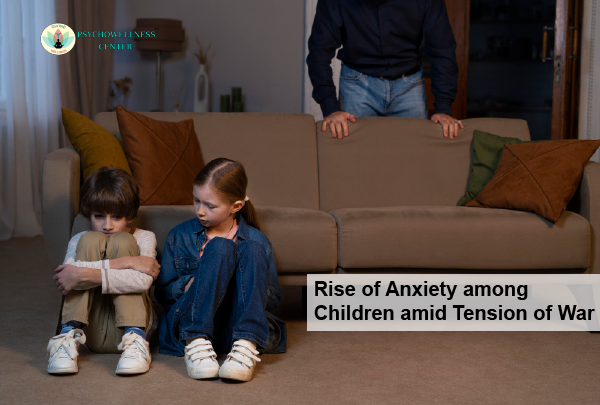
In today’s interconnected world, children are increasingly exposed to news, images, and conversations about war, even when they are not directly in conflict zones. This constant exposure, combined with uncertainty and fear, has contributed to a noticeable rise in anxiety among children. Whether through media, family discussions, or lived experiences, the psychological burden of war is shaping children’s emotional landscapes in profound ways.
Recognizing the Psychological Effects of War on Children
War is not just a geopolitical event; it is a deeply human crisis that disrupts safety, stability, and a child’s sense of normalcy. Research shows that children exposed to war, either directly or indirectly, experience a range of emotional and behavioral issues. These include fear, withdrawal, aggression, and difficulty concentrating.
A study examining children after war exposure found high rates of emotional disorders such as separation anxiety and depression shortly after conflict, highlighting the immediate mental health toll.
Children thrive on predictability and security. War, however, introduces unpredictability, disrupted routines, displacement, or even the fear of losing loved ones. This creates chronic stress, which can overwhelm a child’s developing coping mechanisms.
The Role of Media and Indirect Exposure
Even children living far from conflict zones are not immune. With 24/7 news cycles and social media, children are frequently exposed to distressing images and narratives. They may not fully understand the complexities of war, but they absorb the fear and tension surrounding it.
This indirect exposure can lead to heightened worry, sleep disturbances, and even symptoms resembling panic disorder, such as sudden fear, rapid heartbeat, and breathlessness. Over time, repeated exposure can normalize fear-based thinking, making children feel that danger is constant and unavoidable.
Behavioral and Emotional Changes
Children often express distress differently from adults. Instead of verbalizing their fears, they may show:
- Irritability or anger
- Withdrawal from activities
- Decline in academic performance
- Increased clinginess or separation anxiety
- Low motivation and lack of interest in play
In war-affected contexts, children may also display regressive behaviors such as bedwetting or difficulty speaking, as reported in humanitarian settings.
These behaviors are not signs of defiance but indicators of emotional overwhelm. Without timely support, these patterns can persist and affect long-term development.
Long-Term Consequences on Mental Health
The psychological effects of war are not limited to the immediate aftermath. Studies suggest that exposure to conflict can have lasting impacts on mental health, influencing emotional control, relationships, and overall well-being into adulthood.
Children who grow up in such environments may struggle with emotion control, finding it difficult to process fear, anger, or sadness. This can increase vulnerability to mental health conditions later in life, including social anxiety disorders, depression, and trauma-related conditions.
Moreover, displacement and instability, common consequences of war, further compound these challenges by disrupting education, social connections, and access to support systems.
Protective Factors and Coping Strategies
Despite these challenges, children are remarkably resilient when provided with the right support. Creating a safe and emotionally nurturing environment can significantly reduce the psychological impact of war-related stress.
1. Open Communication
Encourage kids to share their ideas and anxieties. Respond to their inquiries truthfully and in a way that is appropriate for their age. Avoid overwhelming them with unnecessary details.
2. Establishing Routine
Maintaining a consistent daily routine helps restore a sense of normalcy and security. Regular sleep, eating patterns, and study schedules can reduce uncertainty.
3. Practicing Mind-Body Techniques
Introducing practices like mindfulness can help children stay grounded. Simple breathing exercises or guided relaxation can reduce anxiety and improve emotional awareness.
4. Encouraging Healthy Expression
Art, play, and storytelling allow children to process their emotions safely and creatively. These activities can serve as powerful tools for self-improvement and healing.
5. Limiting Media Exposure
Keep an eye on and restrict the amount of upsetting news that kids are exposed to. Provide context when they do encounter such information, helping them differentiate between immediate and distant threats.
When Professional Help is Needed
If a child’s symptoms persist, such as frequent panic, sleep disturbances, or social withdrawal, it may be time to seek professional help. Accessing support from the Best Psychologists in Delhi, or searching for a therapist near me, can provide children with a safe space to explore their emotions.
Mental health professionals, including a psychologist in Delhi NCR, are trained to address trauma-related concerns using evidence-based approaches. Services like psychological counselling in Delhi can help children develop coping strategies, build resilience, and regain a sense of safety.
Early intervention is crucial. The sooner children receive support, the better their chances of overcoming the psychological effects of war-related stress.
Conclusion
The rise in anxiety among children amid global tensions of war is a growing concern that demands attention from parents, educators, and mental health professionals. Whether directly affected or indirectly exposed, children are vulnerable to the emotional ripple effects of conflict. By fostering open communication, creating stable environments, and seeking timely professional support, we can help children navigate these challenging times. Protecting their mental well-being is not just a responsibility; it is an investment in a healthier, more resilient future generation.
To learn more about supporting children through the emotional challenges arising from exposure to war and conflict, you can explore helpful resources from the Psychowellness Center. Their experienced counselling psychologist team provides personalised guidance to address concerns such as fear, emotional distress, and behavioural changes in children, both in-person at Dwarka and Janakpuri, New Delhi (Contact: 011-47039812 / 7827208707) and online through TalktoAngel, offering convenient online counselling support. A qualified mental health professional can assist children in building resilience, improving emotional regulation, and coping with overwhelming situations triggered by war-related exposure.
To learn more about emotional awareness and mental well-being, you can explore resources that focus on understanding patterns that influence thoughts, emotions, and daily functioning, including aspects related to Anxiety and Emotion Control. The video also highlights Overcoming Panic Disorder: How Online Counseling Can Make a Difference, along with the importance of recognising early signs of emotional distress and how they can impact overall well-being. With the right guidance, individuals can improve emotional balance and develop healthier coping strategies.
Contributions: Dr. R.K. Suri, Clinical Psychologist, and Ms. Mahima Mathur, Counselling Psychologist
REFERENCES
Aloka, P. J. O., Ajayi, O. B., Zindoga, L., & Mnyamana, N. (2025). Psychosocial impact of war on the social and emotional development of young learners: An integrative review of literature. Perspectives in Education, 43(2), 5–19.
Bürgin, D., Anagnostopoulos, D., Vitiello, B., Sukale, T., Schmid, M., & Fegert, J. M. (2022). Impact of war and forced displacement on children’s mental health—Multilevel, needs-oriented, and trauma-informed approaches. European Child & Adolescent Psychiatry, 31(6), 845–853. https://doi.org/10.1007/s00787-022-01974-z
Karam, E. G., Fayyad, J., Karam, A. N., Melhem, N., Mneimneh, Z., Dimassi, H., & Tabet, C. C. (2014). Outcome of depression and anxiety after war: A prospective epidemiologic study of children and adolescents. Journal of Traumatic Stress, 27(2), 192–199. https://doi.org/10.1002/jts.21895
https://www.psychowellnesscenter.com/Blog/what-triggers-anxiousness-in-children/
https://www.psychowellnesscenter.com/Blog/common-anxiety-symptoms-in-children/
https://www.psychowellnesscenter.com/Blog/panic-attack-signs-causes-prevention-and-treatment/