
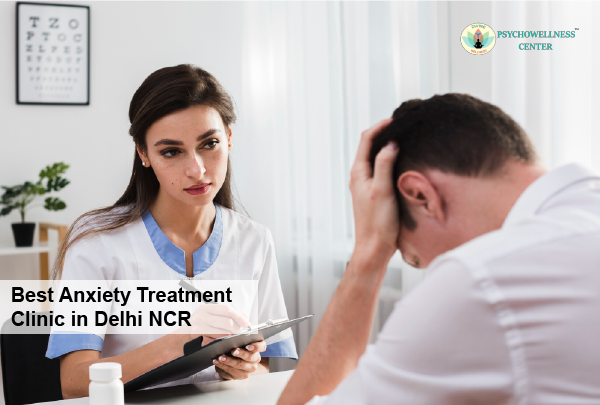
Living with anxiety can feel like carrying a weight that never quite sets down — racing thoughts before a meeting, a pounding heart in a crowded metro, or nights spent replaying every “what if.” If you’re searching for anxiety treatment in Delhi, you’re not alone, and you’re already doing the hardest part: deciding to get help. This guide walks you through exactly what to look for so you can choose a clinic that actually helps you feel like yourself again.
What Are the Signs That You Need Anxiety Treatment?
Anxiety isn’t just “feeling stressed.” It becomes a clinical concern when it begins to interfere with your daily life, work, relationships, or sleep.
Common signs it’s time to seek professional support include:
- Constant worry that feels hard to control, even about small things
- Racing heartbeat, sweating, or shortness of breath without a clear physical cause
- Avoiding social situations, meetings, or public places out of fear
- Sleep problems because your mind won’t switch off
- Sudden, intense episodes of fear that feel like a panic attack
- Physical symptoms like nausea, muscle tension, or fatigue with no medical explanation
If several of these sound familiar and they’ve lasted more than a couple of weeks, it’s a strong sign to consult a mental health professional rather than wait it out.
Why Does Choosing the Right Clinic Actually Matter?
Not all anxiety is the same, and not all treatment approaches work for every person. The right clinic doesn’t just prescribe medication or run you through a generic script — it builds a plan around your specific triggers, history, and lifestyle.
A mismatched clinic can mean:
- Months of trial and error with no real improvement
- Feeling unheard or rushed through sessions
- Missing an underlying condition (like depression or a thyroid issue) that mimics anxiety
- Losing trust in therapy altogether, which delays getting help later
Getting it right the first time saves you time, money, and emotional energy — which is exactly why the selection process deserves real thought.
What Should You Look for in the Best Anxiety Treatment Clinic in Delhi NCR?
When you’re comparing options for the best mental health clinic in Delhi NCR, use this checklist to separate a genuinely good clinic from one that just looks good online.
1. Are Their Treatments Evidence-Based?
Look for clinics that openly talk about evidence-based anxiety treatment — approaches like Cognitive Behavioural Therapy (CBT), Exposure Therapy, or Acceptance and Commitment Therapy (ACT), rather than vague promises of “quick fixes.”
2. Do They Have Qualified, Licensed Professionals?
Check the credentials of the psychologists and psychiatrists on staff. A clinic offering genuine psychological counseling in Delhi should be transparent about qualifications, registration numbers, and years of clinical experience.
3. Do They Offer Both Therapy and Medical Support?
The best clinics let you connect with psychologists and psychiatrists in Delhi under one roof, so therapy and medication (if needed) are coordinated rather than handled by two disconnected providers.
4. Is the Environment Comfortable and Confidential?
A clinic that respects your privacy — from waiting room setup to session confidentiality — makes it easier to open up and stay consistent with treatment.
5. Do They Offer Flexible Formats?
Some people prefer in-person sessions; others need online consultations around work schedules. A clinic offering both makes long-term treatment realistic.
6. Do They Specialise in Anxiety, Not Just “General Counseling”?
Ask directly whether the clinic has specific experience treating generalized anxiety disorder, panic attacks, and social anxiety disorder treatment — anxiety has several subtypes, and treatment should reflect that.
How Do Psychiatrists and Psychologists Differ in Treating Anxiety?
Psychologists and psychiatrists both treat anxiety, but their roles differ. Psychologists mainly use talk therapy, such as CBT, exposure therapy, and mindfulness techniques, to help people manage anxious thoughts, behaviours, and triggers.
Psychiatrists are medical doctors who can diagnose mental health conditions and prescribe medication when needed, particularly for moderate-to-severe anxiety symptoms.
Effective anxiety treatment through therapy may sometimes combine both approaches. A psychologist can build long-term coping skills, while a psychiatrist can provide medical assessment and medication support when appropriate.
What Red Flags Should You Avoid When Choosing an Anxiety Clinic?
Before you book that first appointment, watch out for these warning signs:
- Vague or missing credentials — no clarity on who’s actually treating you
- One-size-fits-all treatment plans offered in the very first session
- Overpromising quick cures (“fixed in 2 sessions”) — anxiety recovery is a process, not a switch
- No follow-up structure — good treatment includes progress check-ins, not just a one-off consultation
- Pressure to commit to long, expensive packages upfront without an initial assessment
- Poor communication — unclear appointment processes, unresponsive staff, or no way to reach your therapist between sessions
If a clinic shows two or more of these signs, it’s worth looking elsewhere.
How Do You Choose the Right Clinic for Specific Anxiety Types (Panic, Social, GAD)?
Different anxiety types respond better to different techniques, so match the clinic’s expertise to your specific concern:
For panic attacks: Look for clinics experienced in exposure-based techniques and breathing/grounding strategies, since panic attack treatment usually focuses on interrupting the fear cycle in the moment as well as addressing root triggers over time.
For social anxiety: A good clinic for social anxiety disorder treatment should offer gradual exposure practice — role-playing social scenarios, building confidence step by step, rather than just discussing the fear in the abstract.
For generalized anxiety: Since generalized anxiety disorder treatment deals with chronic, free-floating worry, prioritise clinics that combine CBT with lifestyle and stress-management coaching, since GAD often needs sustained, longer-term support rather than a short course of sessions.
What If You Can’t Visit a Clinic in Person?
That’s increasingly common — and completely manageable. Platforms like TalktoAngel connect you with qualified online therapists so that you can get consistent support from home, your office, or anywhere with a stable internet connection. This matters a lot for people managing anxiety around commuting, crowded spaces, or rigid work schedules.
If you’d still prefer in-person care, Psychowellness Center provides the best counselling psychologists in Dwarka (Sector 17) and Janakpuri — allowing you to select the location nearest to you or start with a phone consultation before visiting.
Frequently Asked Questions
Can anxiety be treated without medication?
Yes — many mild-to-moderate cases respond well to therapy alone, particularly Cognitive Behavioural Therapy (CBT). Medication is typically recommended for moderate-to-severe cases or when therapy alone isn’t enough.
Can anxiety and panic attacks be treated permanently through counselling?
Yes. Counseling—especially Cognitive Behavioral Therapy (CBT)—treats anxiety and panic attacks permanently by rewiring negative thought patterns, teaching coping mechanisms, and addressing root causes. Consistent therapy builds long-term psychological resilience without relying endlessly on medication.
Final Thoughts: Taking the Next Step
Finding the right support for anxiety isn’t about picking the first name that shows up in a search — it’s about finding a clinic that treats your specific symptoms with the right mix of therapy, medical guidance, and genuine care. Psychowellness Center is one such option in Delhi NCR, offering evidence-based, integrated care through both psychologists and psychiatrists under one roof.
If anxiety has been holding you back from work, relationships, or simply feeling at ease in your own life, don’t wait for it to pass on its own. Reach out to a qualified clinic, book an initial consultation, and take that first concrete step toward feeling in control again.
Book a consultation with the Psychowellness Center at their Janakpuri or Sector 17, Dwarka locations by calling 011-47039812 or 7827208707, 9810636188 today.
Contributions: Dr. R.K. Suri, Clinical Psychologist, and Ms. Sakshi Dhankhar, Counselling Psychologist
References
American Psychiatric Association. (2022). Diagnostic and statistical manual of mental disorders (5th ed., text rev.). American Psychiatric Publishing.
https://www.psychowellnesscenter.com/Blog/anxiety-counselling-in-delhi-for-high-pressure-careers/
https://www.psychowellnesscenter.com/Blog/overcoming-existential-anxiety-through-counselling/
https://www.psychowellnesscenter.com/Blog/youth-social-media-and-the-anxiety-of-self-image/
https://www.psychowellnesscenter.com/Blog/6-effective-tips-to-deal-with-career-anxiety/
https://www.psychowellnesscenter.com/Blog/role-of-prolonged-stress-and-anxiety-in-memory-loss/
Beck, J. S. (2011). Cognitive behavior therapy: Basics and beyond (2nd ed.). Guilford Press.
Hofmann, S. G., Asnaani, A., Vonk, I. J., Sawyer, A. T., & Fang, A. (2012). The efficacy of cognitive behavioral therapy: A review of meta-analyses. Cognitive Therapy and Research, 36(5), 427–440.
National Institute of Mental Health. (2023). Anxiety disorders. https://www.nimh.nih.gov/health/topics/anxiety-disorders
World Health Organization. (2023). Mental disorders. https://www.who.int/news-room/fact-sheets/detail/mental-disorders