
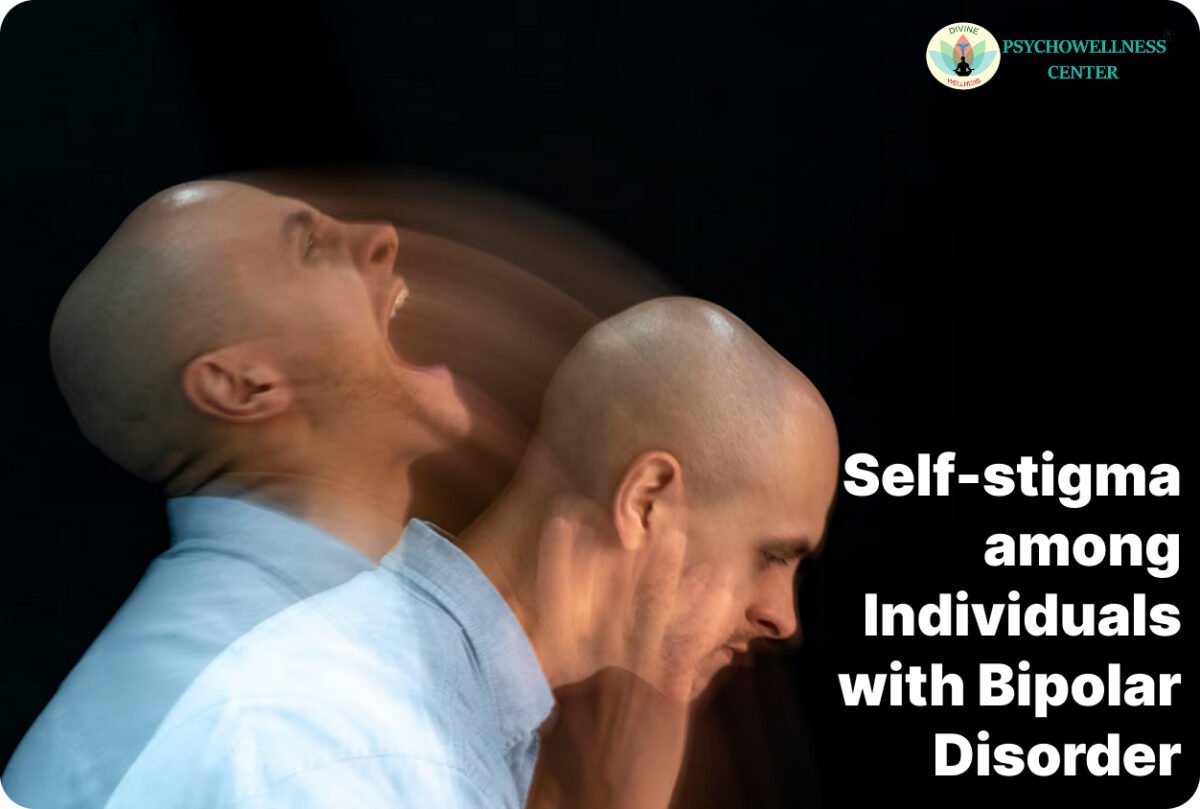
Stigma has long surrounded mental health conditions, but one of the most painful forms is the stigma that comes from within. Self-stigma occurs when individuals internalise negative beliefs or stereotypes about their diagnosis.
For people living with bipolar disorder, this can add a heavy emotional burden on top of an already complex condition. Instead of feeling empowered to seek support, many find themselves doubting their worth, hiding their struggles, or feeling ashamed of symptoms they cannot control.
The good news is that self-stigma is not inevitable. Although it can deeply affect self-esteem, treatment adherence, and overall well-being, it is also something that can be understood and gradually reduced. With awareness, support, and evidence-based strategies, individuals with bipolar disorder can build healthier, more compassionate relationships with themselves.
This article explores what self-stigma is, why it happens, and how those living with bipolar disorder can challenge and overcome it.
Understanding What Self-Stigma Really Is
Self-stigma refers to the internalisation of negative stereotypes about one’s own condition. In the case of bipolar disorder, these stereotypes may include beliefs such as being unstable, unreliable, or incapable of success. When these messages take root, they can influence how individuals see themselves, leading to shame, self-blame, or fear of being judged. Self-stigma is not a sign of weakness. It is a natural response to living in a society where mental illness is often misunderstood. Recognising it as a process rather than a personal failing is the first step toward change.
How Self-Stigma Impacts Daily Life
The effects of self-stigma can reach into many parts of life. For some, it creates hesitation around seeking treatment because they worry that needing help confirms negative beliefs about themselves. Others may feel embarrassed about taking mood stabilisers or attending therapy, even when these are essential for managing symptoms.
Self-stigma can also undermine relationships. When individuals fear being judged, they may hide their diagnosis from friends, partners, or employers. This secrecy can create distance and prevent them from receiving the understanding or accommodations they need.
Perhaps most significantly, self-stigma can affect a person’s sense of identity. Bipolar disorder may start to feel like a defining label rather than one part of a much larger and more complex self. This narrowing of identity can fuel hopelessness and low motivation to pursue goals or maintain long-term well-being.
Why does self-stigma happen
Self-stigma has multiple sources. A major contributor is public stigma, the widespread societal misconceptions that portray people with bipolar disorder as dangerous, unpredictable, or incapable. Although these stereotypes are inaccurate and frequently contradicted by research, constant exposure to them can shape how individuals see themselves.
Another factor is the historical portrayal of bipolar disorder in the media. Television and film often focus on extreme episodes, dramatic crises, or harmful behaviour, leaving little room for the reality that many people with bipolar disorder live stable and fulfilling lives with proper care.
Lack of understanding from family or community members can also play a role. Even well intentioned loved ones may hold outdated beliefs, sometimes expressing them in comments like, “Are you sure you can handle that?” or “People like us do not deal with things like this.” Over time, these messages can become internalised.
Finally, the experience of symptoms themselves can contribute to self-blame. Depressive episodes can make someone feel worthless or guilty, while manic episodes may result in behaviours that lead to embarrassment or regret. Without compassionate support, these emotional reactions can deepen self-criticism.
Challenging Negative Self-Beliefs
One of the most effective ways to reduce self-stigma is to actively challenge the beliefs that fuel it. Many of these beliefs arise automatically and feel convincing, even when they are not grounded in fact.
Cognitive behavioural strategies can be helpful here. Start by identifying the specific negative thoughts you have about yourself.
For example, you might notice beliefs such as “I cannot succeed because of my diagnosis” or “No one will understand me.” Once these thoughts are identified, examine the evidence for and against them. Are there times when you have succeeded despite challenges? Have some people responded to your vulnerability with kindness rather than judgment?
Replacing self-critical thoughts with balanced and realistic ones does not mean ignoring difficulties. It means acknowledging that you are more than a diagnosis and that negative stereotypes do not define you. Their existence alone challenges the validity of self-stigma.
Strengthening Connection and Support
Isolation tends to reinforce self-stigma, while connection helps weaken it. Talking with others who understand bipolar disorder can be profoundly reassuring. Peer support groups, whether in person or online, offer a space where individuals can share experiences without fear of judgment. Hearing others describe their own struggles with self-stigma can normalize the experience and create a sense of community.
Professional support is also important. Many therapists are trained in approaches that specifically address self-stigma, such as Cognitive Behavioral Therapy or Acceptance and Commitment Therapy (ACT). These approaches help individuals develop self compassion, clarify values, and reduce the impact of stigmatizing thoughts.
Support from family and friends can also make a meaningful difference. When loved ones offer empathy and accurate information about bipolar disorder, it becomes easier to resist internalising negative stereotypes. Educating those close to you can help them support you in ways that feel validating rather than minimising or dismissive.
Reframing Your Identity Beyond the Diagnosis
Self-stigma often narrows a person’s sense of identity. One way to counter this is by actively exploring and affirming parts of yourself unrelated to bipolar disorder. This could include roles such as parent, partner, artist, student, athlete, professional, or friend. It could also include traits like creativity, empathy, curiosity, or humor.
Identity is multifaceted, and no single label can encapsulate a whole person. When bipolar disorder feels like the only lens through which you are seeing yourself, intentionally focusing on the other aspects of your identity can help restore balance. Some people find it helpful to engage in activities that reinforce their strengths, such as volunteering, learning new skills, or pursuing hobbies. These experiences can strengthen self esteem and shift internal narratives toward a more holistic and self respectful perspective.
Practicing Self-Compassion
Self compassion involves treating yourself with the same understanding and kindness you would offer a close friend who is struggling. Research shows that self compassion can reduce shame, increase motivation, and support emotional resilience. The practice begins with recognizing that living with bipolar disorder is challenging, and that struggling with symptoms is not a sign of personal failure. Instead of harsh self judgment, self compassion invites you to acknowledge your difficulties without magnifying them.
Self compassion has three components. The first is self kindness, or offering yourself warmth instead of criticism. The second is common humanity, recognizing that suffering is part of the shared human experience. The third is mindfulness, the ability to acknowledge your thoughts and feelings without becoming overwhelmed by them. Developing self compassion takes practice, but over time, it can significantly weaken the grip of self-stigma.
Increasing Mental Health Literacy
Understanding the biological, psychological, and environmental factors that influence bipolar disorder can help dispel misconceptions. When you know that your symptoms are the result of complex interactions rather than personal shortcomings, it becomes easier to approach them with clarity rather than shame.
Accurate mental health literacy also helps you advocate for yourself. When you can explain your condition confidently and accurately, it challenges both your own negative beliefs and those of others.
Reading reliable sources, attending psychoeducation groups, or working with clinicians who value collaborative treatment can build a foundation of knowledge that empowers you rather than diminishes you.
Embracing Recovery as a Nonlinear Process
Recovery from self-stigma is ongoing. There may be days when shame resurfaces or when internalised beliefs feel particularly strong. This does not mean you are moving backwards. It simply reflects the reality that healing unfolds in cycles. Recognising this can reduce pressure and self-judgment. Every moment of reflection, self-compassion, or connection is part of the process. The goal is not to eliminate negative thoughts but to reduce their power over your identity and choices. People with bipolar disorder have shown remarkable resilience in navigating mood episodes, building support systems, and tailoring their lifestyles to promote stability. This same resilience can be applied to the inner work of releasing self-stigma.
Conclusion
Self-stigma can be deeply painful, but it is also deeply changeable. When individuals with bipolar disorder challenge negative beliefs, strengthen supportive relationships, and expand their understanding of themselves, they create space for confidence and empowerment. You are not defined by your diagnosis. You are not limited by stereotypes. And you are not alone in the struggle to build self-respect in the face of stigma. Through reflection, compassion, education, and support, it is entirely possible to develop a healthier and more affirming sense of self.
If the cycle feels too entrenched or emotionally heavy, seeking professional help can make all the difference. Online counselling through supportive platforms like TalktoAngel offers expert guidance for breaking negative patterns, especially when past trauma is involved. For those seeking in-person support, the Psychowellness Center in Dwarka Sector-17 and Janakpuri (011-47039812 / 7827208707) provides tailored therapy sessions with some of the best psychologists near me, offering compassionate support to help you build emotional resilience and develop long-term coping skills.
Contribution: Dr. R.K. Suri, Clinical Psychologist, and Ms. Charavi Shah, Counselling Psychologist
References
Lysaker, P. H., Roe, D., & Yanos, P. T. (2023). Self‑stigma and bipolar disorder: A systematic review and best‑evidence synthesis. Journal of Affective Disorders, 335, 273–288. https://doi.org/10.1016/j.jad.2023.05.041 ScienceDirect
Jenhani, R., Ellouze, S., Bougacha, D., Znaidi, F., & Ghachem, R. (2022). The impact of self‑stigma on functioning among remitted patients with bipolar disorder. European Psychiatry, 65(Suppl. 1), S403. https://doi.org/10.1192/j.eurpsy.2022.1022 Cambridge University Press & Assessment
Lysaker, P. H., Buck, K. D., Winkel, V., & Salvatore, G. (2011). Self‑stigma, empowerment, and perceived discrimination among people with bipolar disorder or depression in 13 European countries: The GAMIAN–Europe study. Journal of Affective Disorders, 129(1–3), 56–63. https://doi.org/10.1016/j.jad.2010.09.001
https://www.psychowellnesscenter.com/Blog/types-of-mental-health-stigma-and-ways-to-snap-out-of-it/
https://thepsychowellness.com/breaking-self-stigma-in-bipolar-disorder/
https://www.psychowellnesscenter.com/Blog/managing-bipolar-in-the-workplace/
https://www.psychowellnesscenter.com/Blog/understanding-substance-induced-mood-disorders/
https://www.psychowellnesscenter.com/Blog/best-clinical-psychologist-in-gurugram-haryana/
https://www.talktoangel.com/blog/mental-health-services-for-student-wellness-centers
https://www.psychowellnesscenter.com/Blog/iq-and-mental-health-is-there-a-connection/