
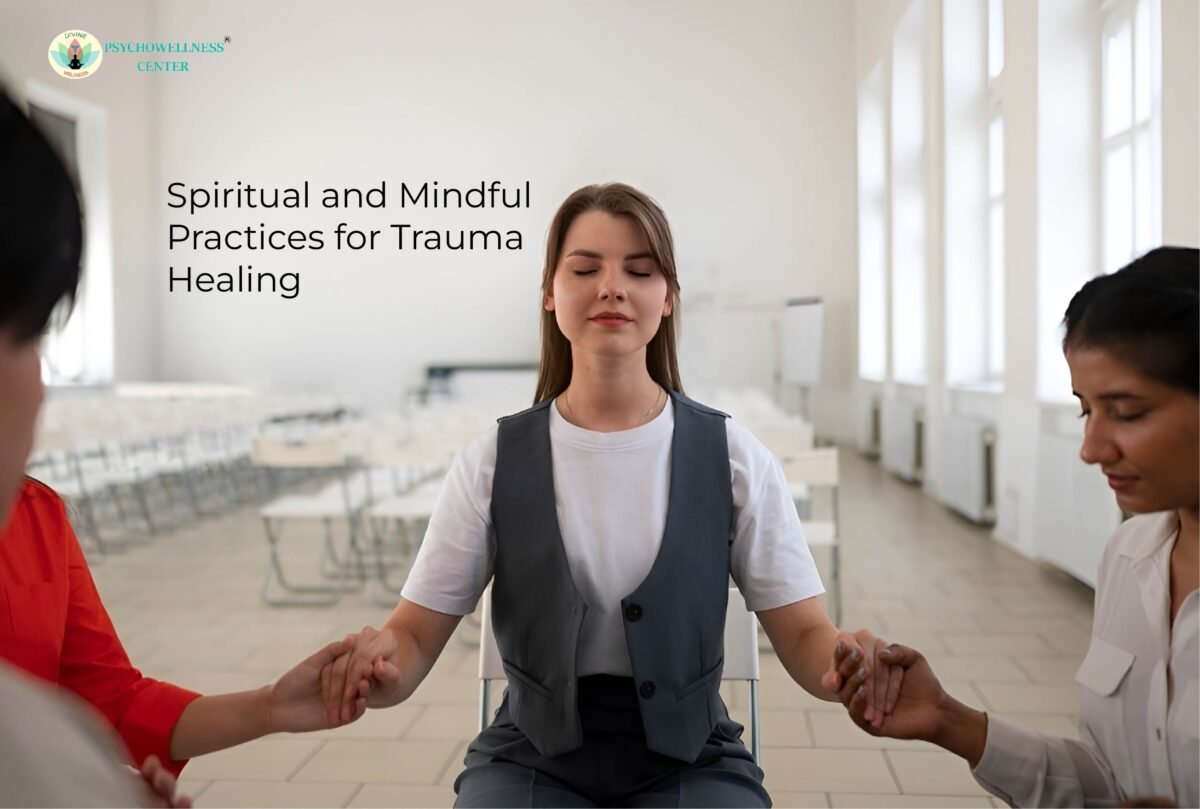
Trauma does not only live in memory. It often settles into the body, nervous system, relationships, and sense of meaning. Many people who have experienced trauma find that logic alone does not fully address their distress. While psychological therapies are essential, spiritual and mindful practices can play a complementary role in trauma healing by helping individuals reconnect with safety, presence, and inner stability.
When approached thoughtfully, these practices are not about bypassing pain or forcing positivity. Instead, they offer gentle ways to regulate the nervous system, process emotions, and rebuild trust with oneself and the world.
Understanding trauma and the mind-body connection
Trauma disrupts the body’s natural stress response. Experiences of threat can leave the nervous system stuck in survival mode, leading to symptoms such as anxiety, emotional numbness, hypervigilance, sleep disturbances, or chronic tension. Over time, unresolved trauma may contribute to depression, social isolation, relationship difficulties, or persistent stress-related health concerns.
Mindful and spiritual practices work by calming the nervous system and restoring a sense of safety in the present moment. They help individuals learn that while the trauma happened in the past, the body can slowly relearn safety now.
Mindfulness as a foundation for healing
Mindfulness involves paying attention to the present moment with curiosity and without judgment. For trauma survivors, this practice must be introduced gently, as focusing inward can initially feel overwhelming.
When practised safely, mindfulness supports emotional regulation, reduces stress reactivity, and increases awareness of bodily sensations. Over time, it can help individuals recognise triggers earlier and respond with intention rather than automatic survival responses.
Mindfulness-based approaches are often integrated into trauma-informed care by clinical psychologists and can complement therapies such as CBT (Cognitive-behavioural therapy), especially when addressing anxiety, depression, or trauma-related thought patterns.
Breathwork and nervous system regulation
Breathing practices are among the most accessible tools for trauma healing. Slow, intentional breathing signals the nervous system that it is safe to shift out of fight-or-flight mode.
Practices such as diaphragmatic breathing or paced breathing can reduce physiological arousal linked to generalised anxiety disorder, panic responses, and emotional overwhelm. Even brief breathing practices, when done consistently, can help restore a sense of control and grounding.
Body-based awareness and gentle movement
Trauma often disconnects individuals from their bodies. Gentle, mindful movement practices such as yoga, stretching, or walking meditation can help rebuild this connection without forcing emotional exposure. These practices encourage awareness of physical sensations, boundaries, and comfort levels. They can be particularly supportive for individuals who experience somatic symptoms, chronic pain, or tension related to unresolved trauma. Trauma-informed movement emphasises choice and self-compassion, reinforcing the idea that the body is not an enemy but a source of information and resilience.
Spiritual practices and meaning-making
Spirituality does not have to be religious to be healing. For many, it involves a sense of connection to something larger than oneself, whether that is nature, values, community, or personal meaning. Spiritual practices such as prayer, meditation, reflective journaling, or rituals can help individuals process grief, loss, and existential questions that often arise after trauma. These practices support meaning-making, which is a crucial part of long-term healing. When trauma disrupts one’s worldview, spirituality can help rebuild a sense of purpose and coherence without minimising pain.
Compassion-based practices and self-relationship
Trauma often damages the relationship individuals have with themselves. Shame, self-blame, and harsh inner criticism are common, especially among those who experienced relational trauma. Compassion-based practices focus on cultivating kindness toward oneself. This may include loving-kindness meditation, affirmations grounded in reality, or reflective exercises guided by a therapist. Such practices are frequently integrated into therapies like Dialectical behavioural therapy DBT, which supports emotional regulation and self-acceptance for individuals struggling with intense emotions, mood instability, or trauma-related distress.
Integrating mindfulness with professional support
While spiritual and mindful practices can be powerful, they are most effective when integrated with professional mental health care. Trauma healing often requires structured support, especially for individuals experiencing severe symptoms such as panic, dissociation, or persistent depression.
For some individuals, trauma-focused approaches such as EMDR may be combined with mindfulness to support deeper processing of traumatic memories.
Common misconceptions about mindful trauma healing
One misconception is that mindfulness requires silence, stillness, or emotional neutrality. For trauma survivors, healing practices must be flexible and responsive. Mindfulness can involve movement, grounding through the senses, or focusing outward rather than inward. Another misconception is that spiritual practices should replace therapy. In reality, they work best as supportive tools alongside psychological treatment, not substitutes for it. Healing is not about forcing calm but about learning how to tolerate emotions safely and gradually expand capacity.
Building consistency without pressure
Trauma healing is not linear, and neither is spiritual growth. Small, consistent practices are more effective than intense routines that feel overwhelming. This may look like a few minutes of breathing each day, mindful walking, or reflective journaling guided by prompts shared during psychological counselling. Over time, these practices strengthen emotional resilience and increase a sense of agency. Listening to one’s limits is itself a form of mindful practice.
Conclusion
Spiritual and mindful practices offer gentle, accessible pathways for trauma healing by supporting nervous system regulation, self-compassion, and meaning-making. When integrated thoughtfully with professional support, they can help individuals reconnect with safety, presence, and inner strength. Trauma may shape a person’s past, but with patience, support, and mindful awareness, healing remains possible. These practices remind us that recovery is not about erasing pain but about learning to live with greater balance, resilience, and compassion for oneself.
For individuals seeking professional support alongside spiritual and mindful practices, reaching out to trusted mental health services can make healing safer and more structured. Psychowellness Center offers trauma-informed psychological counselling, mindfulness-integrated therapy, and evidence-based interventions to support emotional regulation, anxiety, depression, and trauma recovery. You can connect with their team at 011-47039812 / 7827208707 for guidance and appointments. Similarly, TalktoAngel provides accessible online counselling with trained psychologists, making mental health support available from the comfort of home. With the right professional support combined with mindful and spiritual practices, trauma healing becomes a compassionate, balanced journey toward safety, resilience, and emotional well-being.
Contribution: Dr. R.K. Suri, Clinical Psychologist, and Mr. Umesh Bhusal, Counselling Psychologist
References:
Hölzel, B. K., Lazar, S. W., Gard, T., Schuman-Olivier, Z., Vago, D. R., & Ott, U. (2011). How does mindfulness meditation work? Proposing mechanisms of action from a conceptual and neural perspective. Perspectives on Psychological Science, 6(6), 537–559. https://doi.org/10.1177/1745691611419671
Porges, S. W. (2011). The polyvagal theory: Neurophysiological foundations of emotions, attachment, communication, and self-regulation. W. W. Norton & Company.
Kabat-Zinn, J. (2003). Mindfulness-based interventions in context: Past, present, and future. Clinical Psychology: Science and Practice, 10(2), 144–156. https://doi.org/10.1093/clipsy.bpg016
Koenig, H. G. (2012). Religion, spirituality, and health: The research and clinical implications. ISRN Psychiatry, 2012, Article 278730. https://doi.org/10.5402/2012/278730
van der Kolk, B. A. (2014). The body keeps the score: Brain, mind, and body in the healing of trauma. Viking.
https://www.psychowellnesscenter.com/Blog/the-importance-of-spiritualism-for-mental-health/
https://www.psychowellnesscenter.com/Blog/use-of-self-resonance-in-trauma-healing/
https://www.psychowellnesscenter.com/Blog/how-to-heal-from-moral-injury/
https://www.psychowellnesscenter.com/Blog/why-it-is-important-to-develop-spirituality/
https://www.psychowellnesscenter.com/Blog/creating-a-self-care-routine-while-having-busy-schedules/
https://www.psychowellnesscenter.com/Blog/creating-a-self-care-routine-while-having-busy-schedules/
https://www.psychowellnesscenter.com/Blog/best-psychologist-in-mathura-uttar-pradesh/
https://www.psychowellnesscenter.com/service-trauma-counselling-delhi/