
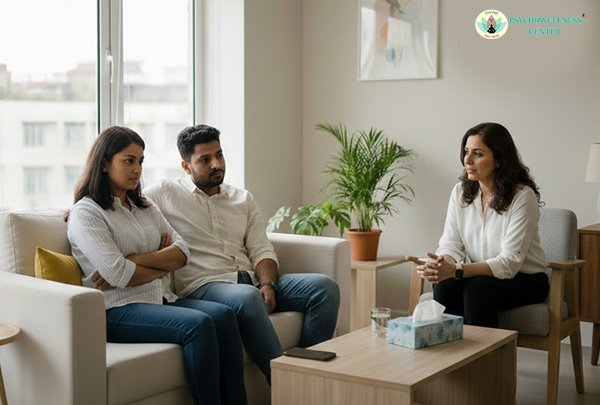
Relationships are an important part of emotional well-being. They offer companionship, support, understanding, and a sense of belonging. But not every relationship lasts a long time. Sometimes patterns of behaviour slowly shift, communication weakens, and emotional distance begins to grow. Many couples ignore these warning signs until conflicts become overwhelming.
Recognising the early signs of an unhealthy relationship can help partners address problems before they cause lasting damage. With the support of a skilled couple counsellor, many relationships can rebuild trust, improve communication, and develop healthier dynamics.
Understanding Healthy vs. Unhealthy Relationships
A healthy relationship is built on mutual respect, trust, communication, emotional safety, and shared responsibility. Both partners feel valued, heard, and supported. Disagreements may occur, but they are resolved through understanding rather than blame.
In contrast, an unhealthy relationship often includes patterns that create stress, insecurity, or emotional harm. These patterns may develop gradually and can be difficult to recognise while inside the relationship.
Seeking guidance from a professional counsellor can help couples identify these patterns and work toward healthier ways of connecting.
Common Red Flags in Unhealthy Relationships
1. Constant Criticism
Occasional disagreements are normal, but constant criticism can damage emotional security. When one partner frequently points out flaws, mocks, or belittles the other, it can lower self-esteem and create resentment.
Healthy relationships focus on problem-solving rather than attacking a partner’s personality.
2. Lack of Communication
Communication is the foundation of any relationship. When conversations become defensive, dismissive, or avoidant, emotional distance begins to grow.
Signs of poor communication include:
- Ignoring important conversations
- Shutting down during conflicts
- Passive-aggressive behavior
- Fear of expressing honest feelings
Over time, unresolved issues accumulate and lead to deeper conflict.
3. Controlling Behaviour
Control can appear in subtle ways. One partner may attempt to influence decisions, friendships, finances, or personal choices.
Examples include:
- Monitoring phone or social media activity
- Isolating a partner from friends or family
- Making decisions without discussion
- Using guilt to influence behaviour
Control often reflects insecurity but can create emotional imbalance within the relationship.
4. Frequent Blame and Lack of Accountability
In unhealthy relationships, one partner may constantly blame the other for problems while refusing to take responsibility for their own behaviour.
This pattern prevents growth because conflicts are never resolved constructively. Instead, arguments become cycles of accusation and defensiveness.
5. Emotional Withdrawal
Emotional distance is another common sign of relationship distress. One or both partners may stop sharing feelings, avoid spending time together, or show little interest in each other’s lives.
Over time, this disconnection can make partners feel lonely even within the relationship.
6. Jealousy and Trust Issues
Trust is essential for emotional security. While occasional jealousy may occur, excessive suspicion can become damaging.
Warning signs include:
- Constant questioning about whereabouts
- Accusations without evidence
- Checking messages or social media
- Feeling anxious about harmless interactions
When trust weakens, the relationship often becomes stressful and unstable.
7. Repeated Conflicts Without Resolution
Every couple experiences disagreements, but when arguments repeat without resolution, it signals deeper issues.
Common patterns include:
- Bringing up past mistakes repeatedly
- Escalating minor disagreements
- Avoiding resolution after fights
- Holding grudges for long periods
Without healthy conflict resolution skills, frustration continues to build.
Emotional Impact of Unhealthy Relationships
Unhealthy relationships do not only affect the partnership, they also impact individual mental health. Over time, partners may experience:
- Anxiety and stress
- Reduced self-confidence
- Emotional exhaustion
- Feelings of loneliness
- Difficulty concentrating on work or daily responsibilities
If left unaddressed, these emotional effects can extend into other areas of life, including family relationships and professional performance.
Why Couples Often Ignore Warning Signs
Many couples recognise relationship problems but delay seeking help. Several reasons contribute to this:
- Fear of judgment
- Belief that problems will resolve on their own
- Concern about appearing weak
- Lack of awareness about counselling options
- Hope that time will fix the situation
However, avoiding issues often allows them to grow more complicated. Early support can prevent more serious damage.
How Couple Counselling Helps
Couples counselling provides a safe, neutral space where both partners can express their thoughts and emotions openly. A trained therapist guides the conversation in a constructive and balanced way.
Improving Communication
Counselling helps couples develop healthier ways to communicate, including active listening, emotional expression, and respectful discussion.
Identifying Harmful Patterns
Many relationship problems arise from repeated behavioural patterns. A counsellor helps partners recognise these patterns and understand their impact.
Rebuilding Trust
If trust has been damaged, therapy focuses on rebuilding honesty, accountability, and emotional safety.
Strengthening Emotional Connection
Couples often rediscover empathy, appreciation, and understanding through guided therapeutic conversations.
Conflict Resolution Skills
Therapy teaches strategies to manage disagreements calmly and productively.
When to Seek Professional Help
Couples may benefit from counselling if they notice:
- Frequent unresolved arguments
- Communication breakdown
- Emotional distance
- Loss of trust
- Difficulty making joint decisions
- Feelings of resentment or frustration
Seeking help early can prevent issues from escalating and improve long-term relationship satisfaction.
Role of a Couple Counsellor
A professional couple counsellor works with both partners to understand individual perspectives and relationship dynamics. The goal is not to assign blame but to create awareness, empathy, and constructive solutions.
Therapists may use approaches such as:
- Cognitive Behavioural Therapy (CBT)
- Emotion-focused therapy
- Communication training
- Conflict resolution techniques
- Relationship skill building
Each therapy plan is tailored to the couple’s specific challenges and goals.
Finding the Best Couple Counsellor in Delhi
Choosing the right counsellor is an important step toward improving relationship health. When looking for professional help, couples should consider:
- Qualifications and experience
- Specialisation in relationship counselling
- Confidential and supportive environment
- Evidence-based therapeutic methods
- Comfort and trust with the therapist
Working with a skilled counsellor can help couples navigate difficulties with clarity and compassion.
For those seeking guidance, experienced professionals at Psychowellness Center provide couples counselling services designed to improve communication, rebuild trust, and support healthier relationships. Their therapists work closely with couples to understand concerns, resolve conflicts, and strengthen emotional connections.
Explore this topic in greater depth –
Couple Therapy Experience | Honest Review & Results
Decode Relationship Patterns & Heal
Conclusion
Every relationship experiences challenges, but recognising unhealthy patterns early can make a significant difference. Red flags such as constant criticism, lack of communication, control, jealousy, emotional withdrawal, or repeated unresolved conflicts should never be dismissed as “normal.” When these patterns continue unchecked, they can slowly erode trust, emotional safety, and mutual respect.
With the right professional support, couples can learn healthier communication strategies, rebuild trust, establish boundaries, and restore emotional closeness. Seeking guidance from an experienced couple counsellor is not a sign of failure, it is a proactive step toward understanding, healing, and strengthening your bond. Many individuals begin this journey by searching for the best psychologist near me, hoping to find compassionate and qualified support close to home.
The Psychowellness Center (Contact: 011-47039812 / 7827208707), both located in Dwarka Sector-17 and Janakpuri, New Delhi, provide specialised therapeutic care through personalised counselling approaches that address emotional regulation, conflict resolution, relationship rebuilding, and overall well-being. Additionally, for individuals or couples searching for the best psychologist near me or seeking flexible access to care, online platforms like TalktoAngel connect people with experienced psychologists who support relationship healing, communication skills, and long-term emotional resilience. Together, these evolving therapy options offer renewed hope, making effective, compassionate, and individualised relationship counselling more accessible than ever.
Contribution: Dr. R.K. Suri, Clinical Psychologist, and Ms. Riya, Counselling Psychologist
References
American Psychological Association. (2023). Healthy relationships. https://www.apa.org
National Institute of Mental Health. (2022). Relationships and mental health. https://www.nimh.nih.gov
World Health Organization. (2022). Mental health and well-being. https://www.who.int
Fincham, Frank D., F. D., & Beach, S. R. H. (2010). Marriage in the new millennium: A decade in review. Journal of Marriage and Family, 72(3), 630–649. https://doi.org/10.1111/j.1741-3737.2010.00722.x
https://www.psychowellnesscenter.com/Blog/understanding-over-functioning-in-relationships/
https://www.psychowellnesscenter.com/Blog/can-continuous-arguments-badly-affect-your-relationship/
https://www.psychowellnesscenter.com/Blog/relationship-counselling-near-me-for-trust-issues/
https://www.psychowellnesscenter.com/Blog/how-to-deal-with-a-toxic-partner/
https://www.psychowellnesscenter.com/Blog/sure-signs-of-defensiveness-in-relationship/