
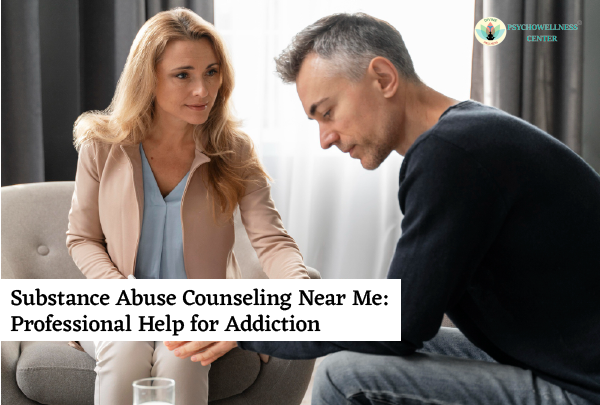
Substance abuse is a severe problem that has an impact on people, families, and communities all over the world. Addiction to substances such as alcohol, drugs, or prescription medications can gradually impact a person’s physical health, emotional well-being, relationships, and professional life. Many individuals struggling with substance abuse often feel trapped in a cycle that is difficult to break without professional support. In my community, receiving treatment for substance misuse can be a crucial first step toward long-term wellbeing and recovery.
Addiction is not simply a lack of willpower; it is a complex psychological and behavioral condition that often develops due to a combination of emotional, social, and biological factors. Professional counseling provides individuals with the support, understanding, and strategies needed to overcome substance dependence and rebuild a healthier life.
Understanding Substance Abuse and Addiction
Substance abuse occurs when an individual repeatedly uses drugs, alcohol, or other addictive substances in a way that harms their physical or mental health. Over time, regular use can lead to dependency, where the body and mind begin to rely on the substance to function or cope with stress.
People struggling with addiction may initially use substances as a way to manage emotional pain, stress, trauma, or social pressure. However, what begins as occasional use can gradually turn into a pattern of dependence. Addiction can result in major health issues, financial hardships, strained relationships, and mental health issues, including anxiety or depression, if treatment is not received.
Understanding that addiction is a treatable condition is an important step toward seeking help and beginning the recovery process.
Common Signs of Substance Abuse
Individuals or their loved ones can take action before the issue gets worse by being aware of the warning signs of substance usage. One of the most common signs is a strong craving or urge to use the substance regularly.
Other signs may include changes in behavior, neglecting responsibilities at work or school, mood swings, irritability, and withdrawal from family or friends. Individuals may also experience physical symptoms such as fatigue, sleep disturbances, or changes in appetite.
In many cases, people struggling with addiction may attempt to hide their substance use or deny that it has become a problem. However, these patterns often become more noticeable over time and can significantly affect daily life.
Psychological and Emotional Impact of Addiction
Substance abuse does not only affect physical health; it can also have a deep impact on emotional and psychological well-being. Many individuals dealing with addiction experience feelings of guilt, shame, anxiety, or hopelessness.
Over time, substance abuse may lead to difficulties in managing emotions, maintaining relationships, and making responsible decisions. Individuals may feel isolated or misunderstood, which can further increase their reliance on substances as a coping mechanism.
Professional counseling helps address these emotional and psychological factors by identifying the underlying causes of addiction and providing healthier ways to manage stress and emotional pain.
Importance of Seeking Professional Counseling
Seeking professional counseling for substance abuse can significantly improve the chances of successful recovery. Counselors and psychologists are trained to help individuals understand the patterns and triggers that contribute to addictive behavior.
Through therapy, individuals learn practical strategies to manage cravings, cope with stress, and develop healthier habits. Counseling also helps individuals build self-awareness and emotional resilience, which are essential for maintaining long-term recovery.
Professional support provides a structured and compassionate environment where individuals can openly discuss their challenges without fear of judgment.
Therapeutic Approaches Used in Substance Abuse Counseling
Substance abuse counseling often involves a combination of therapeutic techniques designed to address both the psychological and behavioral aspects of addiction. Cognitive Behavioral Therapy (CBT) is commonly used to help individuals identify negative thought patterns and replace them with healthier coping mechanisms.
Motivational interviewing is another approach that helps individuals strengthen their motivation to change and commit to recovery. Counseling sessions may also focus on stress management, emotional control, and relapse prevention strategies.
In many cases, family counseling may also be recommended to improve communication and rebuild trust within relationships affected by addiction.
Professional Support for Addiction Recovery
Professional psychological support can play a crucial role in helping individuals overcome substance dependence and regain control of their lives. At Psychowellness Center, experienced best psychologists in Delhi and mental health therapists near me provide counseling services for individuals struggling with substance use and addiction-related challenges.
The counseling process focuses on understanding each individual’s unique situation and helping them develop effective coping strategies for recovery. Therapy sessions aim to build emotional resilience, improve decision-making skills, and support individuals in creating healthier lifestyle habits.
The center offers professional counseling services at its Janakpuri and Dwarka Sector-17 locations in Delhi, making it convenient for individuals searching for reliable psychological counseling in Delhi. Those seeking guidance and professional support for addiction recovery can connect with trained mental health professionals for confidential counseling.
People can call 011-47039812 or 7827208707 for appointments or questions.
Conclusion
Substance abuse can have a profound impact on an individual’s health, relationships, and overall quality of life. However, recovery is possible with the right support and professional guidance. Recognising the need for help and seeking substance abuse counselling is a positive step toward healing and long-term well-being.
With compassionate care, structured therapy, and consistent support, individuals can overcome addiction, rebuild their confidence, and create a healthier and more fulfilling future.
Contribution: Dr. R.K. Suri, Clinical Psychologist, and Ms. Sakshi Dhankhar, Counselling Psychologist
References
https://www.psychowellnesscenter.com/service-substance-abuse-management-counselling-delhi/
https://www.psychowellnesscenter.com/Blog/what-is-addiction-and-why-is-it-hard-to-stop/
https://www.psychowellnesscenter.com/Blog/process-of-recovery-from-addiction/
American Psychiatric Association. (2022). Diagnostic and statistical manual of mental disorders (5th ed., text rev.; DSM-5-TR). American Psychiatric Publishing.
National Institute on Drug Abuse. (2020). Drugs, brains, and behavior: The science of addiction. U.S. Department of Health and Human Services. https://nida.nih.gov
Substance Abuse and Mental Health Services Administration. (2021). Substance misuse prevention for young adults. U.S. Department of Health and Human Services. https://www.samhsa.gov