
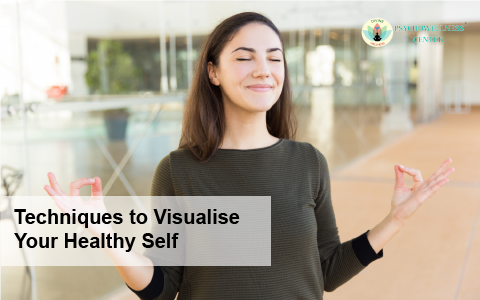
The way individuals perceive themselves has a significant influence on their thoughts, emotions, and behaviour. Visualising a “healthy self” is not about creating an unrealistic ideal, but about forming a clear and balanced mental image of how one would like to think, feel, and function. This process can support motivation, improve emotional control, and guide meaningful behavioural change.
Visualisation is widely used in psychological practice as a tool to strengthen self-awareness and reinforce adaptive patterns. When approached consistently and realistically, it can help individuals move toward a healthier and more stable sense of self.
Understanding the Concept of a “Healthy Self”
A healthy self is not defined by perfection. It reflects emotional balance, self-awareness, physical well-being, and the ability to cope with challenges effectively. For some, this may involve managing stress better. For others, it may mean building self-confidence, improving relationships, or maintaining consistent routines.
Clarifying what “healthy” means on a personal level is the first step. Without this clarity, visualisation can become vague or disconnected from practical change.
Creating a Realistic Mental Image
Effective visualisation begins with specificity. Rather than imagining a distant or idealised version of oneself, it is more helpful to focus on realistic, attainable changes. This may include waking up with a sense of structure, responding calmly to stress and anxiety, or engaging more actively in daily tasks.
The goal is to create a mental image that feels achievable and relatable. When the image is grounded in reality, it is more likely to influence behaviour positively.
Engaging Multiple Senses
Visualisation becomes more impactful when it involves multiple senses. Instead of only “seeing” a healthier version of oneself, individuals can imagine how they would feel emotionally, how their body would feel physically, and how they would interact with others.
For example, one might visualise feeling composed during a challenging conversation, maintaining steady breathing, and responding thoughtfully rather than reactively. This sensory engagement strengthens the connection between the mental image and real-life behaviour.
Linking Visualisation to Daily Routines
Visualisation is most effective when integrated into everyday life. Setting aside a few minutes each day, such as in the morning or before sleep, helps reinforce the mental image consistently.
Linking visualisation to specific routines, like preparing for the day or reflecting at night, increases the likelihood of long-term practice. Over time, these repeated mental rehearsals can influence automatic responses and habits.
Focusing on Process Rather Than Outcome
A common mistake in visualisation is focusing only on results. The process of getting there is just as important as the results. Visualising small, manageable actions helps bridge the gap between intention and behaviour.
For instance, instead of only imagining being confident, it is more effective to visualise speaking clearly in a meeting, maintaining eye contact, or expressing an opinion calmly. These process-oriented images are more actionable and realistic.
Addressing Internal Resistance
Visualisation can sometimes bring up doubt or resistance, especially if the imagined self feels too different from current reality. Thoughts such as “this is not realistic” or “I cannot achieve this” may arise.
Rather than ignoring these responses, it is useful to acknowledge them and adjust the visualisation accordingly. Gradual, incremental changes are more sustainable than drastic transformations.
Psychological Counselling near me can support individuals in addressing these internal barriers and aligning visualisation with realistic goals.
Combining Visualisation With Behavioural Action
Visualisation alone is not sufficient for change. It works best when paired with consistent action. The mental image serves as a guide, while behaviour reinforces it in practice.
For example, visualising a healthier routine can be followed by small actions such as maintaining a regular sleep schedule, engaging in physical activity, or setting boundaries in relationships. This alignment between thought and action strengthens long-term change.
Using Guided Techniques
Some individuals benefit from structured or guided visualisation exercises. These may involve therapist-led sessions, mindfulness, recorded exercises, or written prompts that help build a clearer mental framework.
Guided techniques can be particularly helpful for those who find it difficult to maintain focus or create detailed mental images independently.
Monitoring Progress and Adjusting
As individuals grow and circumstances change, the idea of a “healthy self” may also evolve. Regular reflection allows for adjustments in visualisation to ensure it remains relevant and meaningful.
Tracking progress, even in small ways, reinforces motivation and provides evidence of change. This helps maintain consistency and reduces discouragement.
The Psychological Benefits of Visualisation
When practised consistently, visualisation can improve self-confidence, reduce anxiety, depressed mood, burnout, and anger issues, and enhance emotional regulation. It also supports goal clarity and decision-making by aligning behaviour with personal values.
Importantly, it encourages a shift from self-criticism to self-direction. Instead of focusing on perceived shortcomings, individuals begin to focus on constructive growth.
When to Seek Professional Guidance
For individuals experiencing persistent self-doubt, low self-esteem, or difficulty maintaining behavioural change, professional support may be beneficial. Best psychologists in India provide structured guidance, helping individuals refine their goals and address underlying challenges.
Working with a trained professional ensures that visualisation techniques are used effectively and aligned with broader psychological well-being.
Conclusion
Visualising a healthy self is a practical and psychologically grounded approach to personal growth. By creating realistic mental images, engaging with them consistently, and supporting them with action, individuals can gradually build healthier patterns of thinking and behaviour. This process encourages clarity, resilience, and a more balanced sense of self over time.
Individuals exploring support options such as counselling near me, therapist near me, psychologist in Delhi, or seeking guidance from best psychologists and top psychologists in Delhi may consider professional support from Psychowellness Center. With centres located in Janakpuri and Dwarka Sec-17, Delhi, the clinic provides structured, evidence-based counselling services; appointments can be scheduled on phone numbers: 011-47039812 or 7827208707.
Additionally, Talktoangel offers access to qualified professionals through a reliable online platform, making psychological support more accessible and flexible for ongoing personal development.
Contribution: Dr. R.K. Suri, Clinical Psychologist, and Ms. Charavi Shah, Counselling Psychologist
References
- Bandura, A. (1997). Self-efficacy: The exercise of control. W. H. Freeman and Company.
- Holmes, E. A., & Mathews, A. (2010). Mental imagery in emotion and emotional disorders. Clinical Psychology Review, 30(3), 349–362. https://doi.org/10.1016/j.cpr.2010.01.001
- Locke, E. A., & Latham, G. P. (2002). Building a practically useful theory of goal setting and task motivation. American Psychologist, 57(9), 705–717. https://doi.org/10.1037/0003-066X.57.9.705
- Markus, H., & Nurius, P. (1986). Possible selves. American Psychologist, 41(9), 954–969. https://doi.org/10.1037/0003-066X.41.9.954
- Zimmerman, B. J. (2000). Attaining self-regulation: A social cognitive perspective. In M. Boekaerts, P. R. Pintrich, & M. Zeidner (Eds.), Handbook of self-regulation (pp. 13–39). Academic Press.
- https://www.psychowellnesscenter.com/Blog/coping-with-mental-health-issues/
- https://www.psychowellnesscenter.com/Blog/exploring-the-benefits-of-mental-health-coaching/
- https://www.psychowellnesscenter.com/Blog/category/personal/self-improvement/page/7/
- https://www.psychowellnesscenter.com/Blog/5-simple-habits-of-emotionally-resilient-people/