
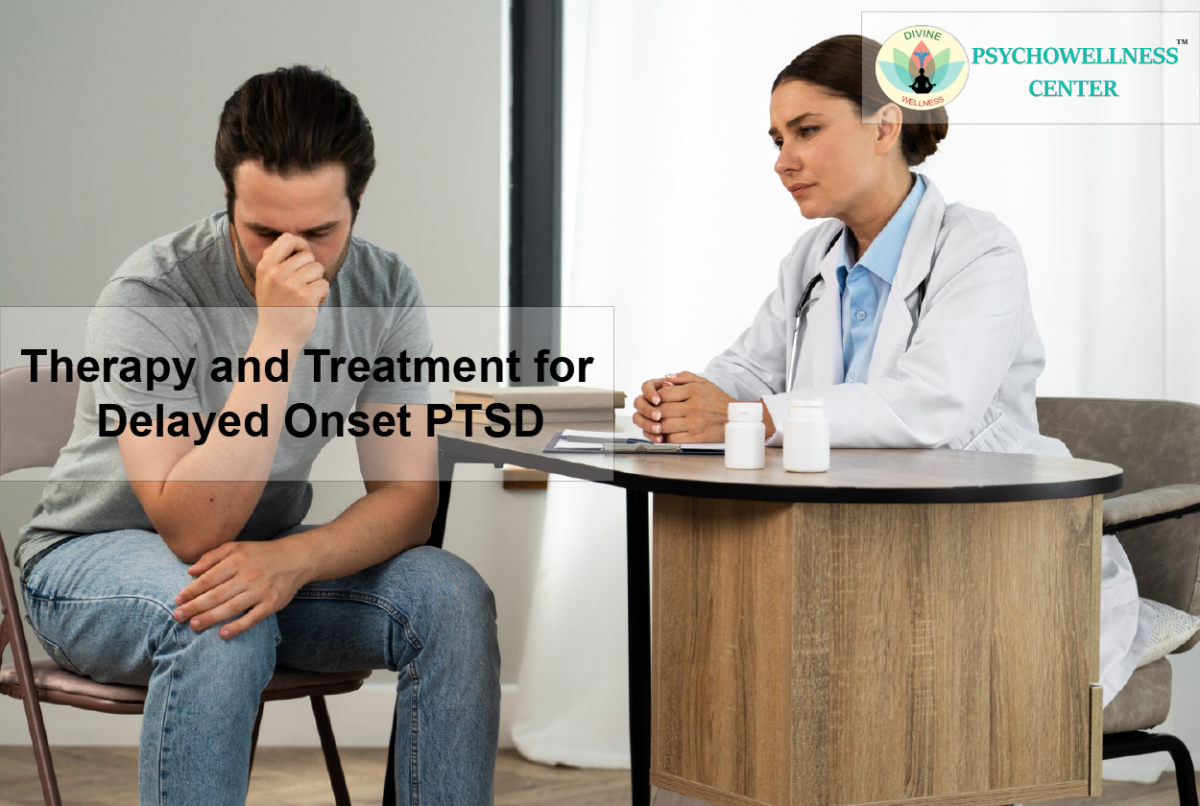
After a stressful experience, early reactions are frequently linked to post-traumatic stress disorder (PTSD). However, for many individuals, symptoms may emerge months or even years later, an experience known as delayed onset PTSD. This condition can be particularly confusing and distressing, as individuals may feel blindsided by emotional reactions they believed they had already “moved past.” Delayed onset PTSD is not uncommon and reflects the brain’s complex way of processing overwhelming experiences over time. With timely, compassionate, and evidence-based therapy, recovery is not only possible but sustainable.
Understanding Delayed Onset PTSD
Delayed onset PTSD occurs when trauma-related symptoms appear at least six months after exposure to a traumatic event. These symptoms may include intrusive memories, emotional numbness, avoidance behaviours, hypervigilance, sleep disturbances, and persistent fear responses. Traumatic experiences such as accidents, abuse, combat exposure, medical trauma, disasters, or witnessing violence can all contribute to this condition.
Psychologically, delayed onset PTSD often surfaces when an individual’s coping strategies, such as emotional suppression or excessive distraction, become overwhelmed by life stressors, relationship conflicts, or transitions. As a clinician, I often see individuals presenting with anxiety, depression, irritability, or unexplained physical symptoms, only to identify unresolved trauma as the root cause later. Understanding this delayed response helps normalise the experience and reduces self-blame, which is often one of the most painful aspects of trauma recovery.
Psychological Impact of Delayed Trauma Responses
Trauma that remains unprocessed continues to affect the nervous system, memory networks, and emotional regulation systems. Individuals with delayed PTSD may experience:
- Emotional detachment or numbing
- Persistent hyperarousal and startle responses
- Disturbing memories or nightmares
- Avoidance of reminders associated with trauma
- Relationship difficulties and trust issues
- Reduced concentration and academic or occupational impairment
Left untreated, these symptoms can evolve into chronic mental health challenges, including depression, substance misuse, relationship breakdowns, and somatic symptom health concerns. Early recognition and professional intervention are crucial for restoring emotional balance and enhancing quality of life.
Why Symptoms Appear Later
From a psychological lens, delayed onset PTSD is often linked to survival mechanisms. During or immediately after trauma, the brain prioritises safety and functioning over emotional processing. Many individuals suppress distress to continue working, caring for family, or meeting social obligations. Over time, however, unresolved trauma resurfaces when emotional defences weaken or when new stressors activate traumatic memory networks. Neuroscientifically, trauma memories are often stored in fragmented, sensory-based formats rather than narrative memory systems. This can lead to intrusive experiences long after the event has occurred, particularly when triggered by sensory cues, emotional states, or interpersonal stressors.
Additionally, an accurate diagnosis of delayed onset PTSD requires a comprehensive psychological assessment conducted by trained mental health professionals, such as clinical psychologists or psychiatrists. Clinicians evaluate trauma history, symptom patterns, emotional functioning, and functional impairment while ruling out related conditions such as generalised anxiety disorder, panic disorder, or mood disorders.
Evidence-Based Therapies for Delayed Onset PTSD
Trauma recovery is most effective when treatment integrates evidence-based therapeutic approaches tailored to the individual’s needs, trauma history, and emotional readiness. Below are the most effective interventions supported by clinical research:
- Cognitive-behavioural therapy :- CBT remains one of the most effective treatments for PTSD. It helps individuals identify maladaptive thought patterns related to trauma, such as guilt, helplessness, or distorted threat perception, and replace them with balanced cognitive frameworks. Trauma-focused CBT also incorporates gradual exposure techniques, allowing individuals to safely process traumatic memories while reducing avoidance and fear responses.
- Dialectical behavioural therapy (DBT):- DBT is particularly useful for individuals experiencing emotional dysregulation, impulsivity, self-harm urges, or relationship instability following trauma. DBT focuses on mindfulness, distress tolerance, emotional regulation, and interpersonal effectiveness, skills that help trauma survivors regain psychological stability and self-control.
- Acceptance and Commitment Therapy (ACT):- ACT encourages individuals to accept internal emotional experiences rather than suppress them while committing to value-driven actions. For trauma survivors, this approach reduces avoidance behaviours and supports long-term emotional flexibility and psychological resilience.
- Motivational interviewing:- This approach supports individuals who feel ambivalent about therapy or emotional change. It strengthens intrinsic motivation and engagement, particularly helpful in trauma survivors struggling with avoidance, emotional shutdown, or substance-related coping.
- Brief and Solution-Focused Therapy (SFBT):- While not trauma-processing in nature, SFBT helps clients identify strengths, coping resources, and future-oriented goals. It complements trauma therapy by fostering hope and functional improvement. These therapies are often integrated into a trauma-informed framework that prioritises safety, empowerment, emotional pacing, and collaborative treatment planning.
Medication and Psychiatric Support
In moderate to severe PTSD, pharmacological treatment may be recommended alongside therapy. Selective serotonin reuptake inhibitors (SSRIs) are commonly prescribed to manage anxiety, depressive symptoms, and hyperarousal. Psychiatrists assess medication needs carefully, ensuring that pharmacological support enhances, not replaces, psychotherapeutic recovery. Individuals searching for a psychiatrist near me or trauma-focused mental health services benefit from collaborative care models where psychologists and psychiatrists work together to support comprehensive healing.
From a clinician’s perspective, the therapeutic relationship itself is a powerful agent of healing in trauma treatment. Trauma often disrupts trust, safety, and interpersonal connections. A therapist who offers consistency, empathy, emotional validation, and nonjudgmental presence helps re-establish these foundational experiences. Research consistently shows that therapeutic alliance predicts treatment success across trauma modalities. When individuals feel heard, respected, and emotionally safe, they are more willing to engage in trauma processing and emotional exploration.
Trauma, Relationships, and Functional Recovery
Delayed onset PTSD often impacts interpersonal relationships, work performance, academic functioning, and self-esteem. Trauma survivors may struggle with emotional intimacy, irritability, withdrawal, or persistent mistrust. Family therapy, couples counselling, or relational interventions can be valuable adjuncts to individual trauma therapy.
In clinical practice, many trauma survivors initially present with relationship conflicts or occupational burnout rather than trauma awareness. By addressing emotional regulation and trauma narratives, therapy supports healthier communication, boundary-setting, and relational stability.
The Rise of Online Trauma Therapy
The expansion of Online therapy platforms has significantly improved access to trauma-informed care. Individuals who feel hesitant to seek face-to-face treatment or who experience geographical or mobility limitations can now access qualified trauma therapists virtually. Online therapy also offers privacy and flexibility, which can be especially beneficial for trauma survivors managing emotional vulnerability. Studies demonstrate that teletherapy for PTSD is comparable in effectiveness to in-person interventions, particularly when structured protocols such as trauma-focused CBT are utilised.
Trauma survivors in India often experience compounded stressors related to social expectations, family obligations, and limited emotional expression. Culturally responsive therapy approaches that integrate emotional safety, family dynamics, and community context are essential for effective trauma recovery.
Long-Term Outcomes of Trauma Treatment
Research consistently shows that evidence-based trauma therapy reduces PTSD symptom severity, improves emotional regulation, enhances relationship functioning, and supports overall quality of life. More importantly, trauma recovery fosters post-traumatic growth, where individuals develop greater emotional awareness, resilience, empathy, and life meaning following adversity. From a psychological standpoint, trauma therapy is not merely symptom management; it is an integrative healing process that restores agency, coherence, and emotional flexibility.
When to Seek Professional Help
Individuals experiencing the following symptoms may benefit from trauma-focused therapy:
- Persistent intrusive memories or nightmares
- Emotional numbness or detachment
- Avoidance of reminders linked to past trauma
- Heightened anxiety or hypervigilance
- Difficulty in relationships or work functioning
- Unexplained physical symptoms linked to stress
If symptoms persist beyond several weeks or interfere with daily life, seeking professional support from a qualified therapist or clinical psychologist is strongly recommended.
Conclusion
Delayed onset PTSD reminds us that trauma is not bound by time; it can surface long after the original event, disrupting emotional stability, relationships, and daily functioning. Yet with the support of trauma-informed therapy, individuals can safely process unresolved experiences, regulate emotional responses, and rebuild a sense of inner safety. Evidence-based approaches such as CBT, Dialectical behavioural therapy, and acceptance-based interventions empower trauma survivors to reclaim control over their emotional lives and move toward long-term psychological well-being.
The Psychowellness Center (Contact: 011-47039812 / 7827208707), located in Dwarka Sector-17 and Janakpuri, New Delhi, offers specialised trauma-focused counselling through personalised therapeutic approaches that support emotional healing, stress regulation, and long-term recovery from PTSD. Additionally, for individuals searching for the best psychologist near me or seeking flexible access to trauma care, online platforms like TalktoAngel connect individuals with experienced psychologists who support PTSD recovery and emotional resilience. Together, these evolving treatment options offer renewed hope, making compassionate, effective, and individualised trauma care more accessible than ever.
You can learn more about PTSD through –
https://youtube.com/shorts/2O7vI1FrtxA?si=x3hWPyjyw25cVjm_
https://youtube.com/shorts/RYG0GjLdWrQ?si=5iq-Z64oMxMDAiMn
Contribution: Dr. R.K. Suri, Clinical Psychologist, and Ms. Arushi Srivastava, Counselling Psychologist
References
- American Psychiatric Association. (2022). Diagnostic and statistical manual of mental disorders (5th ed., text rev.). APA Publishing.
- Cusack, K., Jonas, D. E., Forneris, C. A., Wines, C., Sonis, J., Middleton, J. C., … & Gaynes, B. N. (2016). Psychological treatments for adults with posttraumatic stress disorder: A systematic review and meta-analysis. Annals of Internal Medicine, 165(7), 508–518.
- Morland, L. A., Wells, S. Y., Glassman, L. H., Greene, C. J., Hoffman, J. E., & Rosen, C. S. (2017). Advances in PTSD treatment delivery: Review of findings and clinical considerations. Current Psychiatry Reports, 19(6), 44. https://doi.org/10.1007/s11920-017-0798-0
- World Health Organisation. (2019). Guidelines for the management of conditions specifically related to stress. WHO Press.
- https://www.psychowellnesscenter.com/Blog/importance-of-safe-and-supportive-trauma-therapy-sessions/