
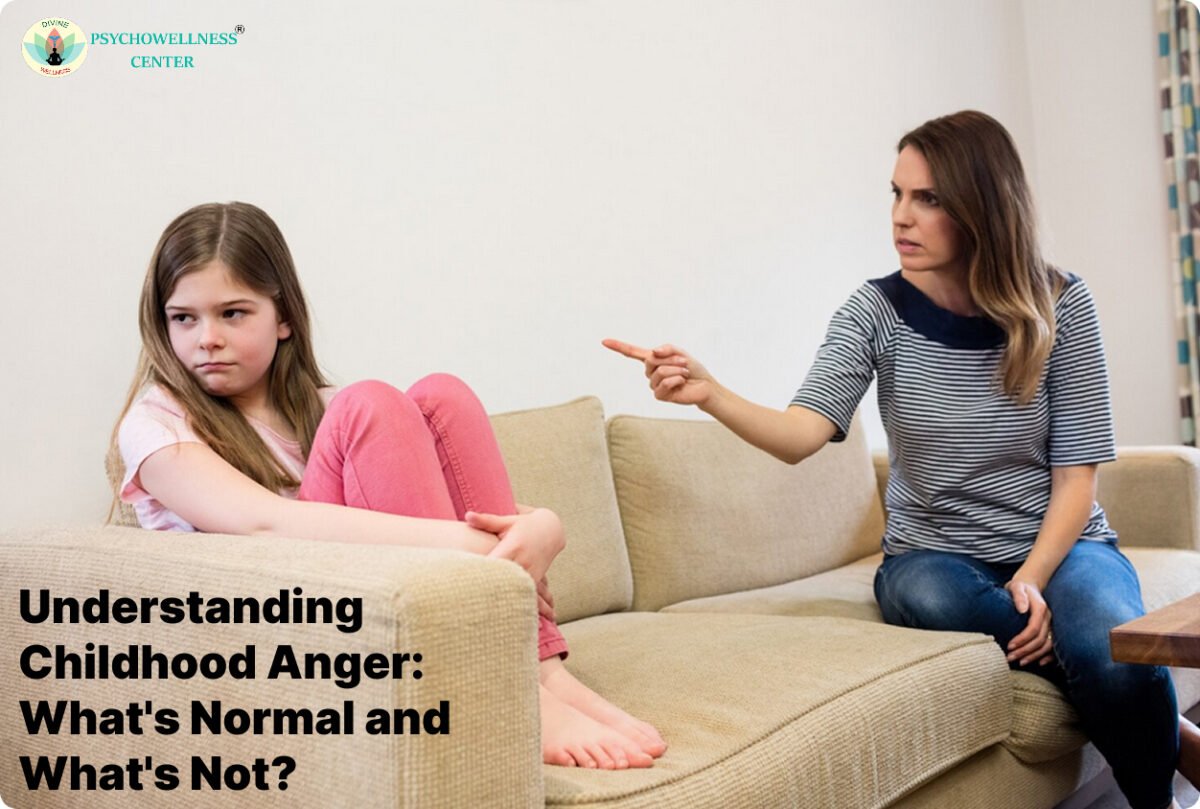
Anger is a natural emotion, even in children. While occasional outbursts or tantrums are typical in early development, persistent or intense anger can sometimes signal deeper behavioral issues or emotional distress. Understanding the difference between normal childhood anger and signs of a more serious problem is crucial for early intervention and healthy emotional growth.
In this blog, we’ll explore what childhood anger looks like, when to worry, and how underlying issues like stress, developmental delays, anxiety, depression, family problems, and social isolation can influence your child’s behavior.
What Is Normal Anger in Children?
Children, especially in early developmental stages, often lack the verbal or emotional tools to express complex feelings. So, it’s common for them to act out when they’re tired, hungry, frustrated, or overstimulated.
Normal signs of anger may include:
- Tantrums during transitions or disappointments
- Yelling or crying when limits are set
- Occasional hitting or throwing things (especially under age 5)
- Quick recovery after being comforted or redirected
These behaviors are typically developmentally appropriate and tend to decrease as children grow and learn better ways to cope with frustration.
When Anger Might Be a Cause for Concern
While short-lived frustration is normal, frequent, intense, or unmanageable anger may suggest deeper emotional or psychological struggles.
Red Flags to Watch For:
- Aggressive outbursts that harm others or themselves
- Destruction of property during episodes
- Inability to calm down without intervention
- Frequent school problems due to behavior
- Withdrawal or sudden changes in mood
- Persistent irritability or sadness
Such patterns may be linked to behavioral issues or underlying emotional conditions.
What Could Be Behind Excessive Anger?
Anger is frequently a symptom rather than the underlying issue. Children may act out because they don’t know how to express what they’re feeling internally. Some common underlying causes include:
1. Stress
Even young children can feel overwhelmed by stress, whether it’s from school, changes at home, or even overscheduling. When kids are stressed, their tolerance for frustration drops, and anger can become their default reaction.
2. Developmental Delays
Children with developmental delays, including language or cognitive challenges, may become angry when they can’t express themselves or keep up with peers. This frustration can lead to repeated behavioral issues if not addressed with support.
3. Anxiety and Depression
While adults may associate anxiety and depression with sadness or worry, children often express these emotions through irritability or anger. A child with hidden anxiety may lash out when routines change, while one with depression may become angry over seemingly minor issues.
4. Adjustment Issues
Major life changes, like divorce, moving, or changing schools, can lead to adjustment issues in children. They may not understand or know how to process these events, resulting in emotional outbursts or behavioral regression.
5. Family Problems
Family conflict, inconsistent discipline, or lack of emotional support at home can contribute significantly to childhood anger. Children often mirror the emotional climate of their environment, so unresolved family problems can show up in their behavior.
6. Social Isolation
Children who feel excluded or have trouble making friends may experience social isolation, leading to low self-esteem and anger. Bullying or peer rejection can amplify these feelings and lead to long-term behavioral and emotional struggles.
Helping Your Child Manage Anger
If your child’s anger is interfering with their daily life, relationships, or emotional well-being, it’s important to take proactive steps. Here’s how you can help:
- Stay calm and consistent during outbursts
- Validate their feelings without reinforcing negative behavior
- Teach healthy coping mechanisms (deep breathing, meditation, using words, time-outs)
- Provide a structured routine to create predictability and safety
- Encourage physical activity and creative expression
- Seek help from a pediatrician, school counselor, or child psychologist if needed
When to Seek Professional Help
If anger is accompanied by other symptoms, like constant sadness, withdrawal, difficulty in school, or physical aggression, it may be time to consult a mental health professional. Early support can address issues like anxiety, depression, or behavioral issues and prevent long-term emotional difficulties.
Conclusion
Understanding the difference between typical childhood anger and a possible warning sign is key to raising emotionally healthy children. By recognizing triggers and underlying issues such as stress, developmental delays, adjustment issues, or family problems, caregivers can better support their children through difficult emotions.
Recall that anger is a signal rather than an enemy. The goal isn’t to eliminate anger, but to teach children how to manage it in healthy, constructive ways.
If your child’s anger feels overwhelming, persistent, or difficult to manage at home or school, seeking the right support can make a tremendous difference in their emotional development. A child psychologist can help uncover what’s driving the anger, whether it’s stress, anxiety, developmental delays, family changes, or deeper emotional needs, and guide you with evidence-based strategies to support your child effectively. The Psychowellness Center in Dwarka Sector-17 and Janakpuri (011-47039812 / 7827208707) offers specialized child behavior therapy, parent counseling, and developmental assessments to help children and families navigate emotional challenges with confidence. For parents who prefer online consultations, TalktoAngel provides access to experienced child psychologists who can help you understand your child’s behavior, build healthier routines, and strengthen emotional communication at home. Early guidance doesn’t just reduce anger, it helps children feel safe, supported, and understood as they grow.
Contribution: Dr. R.K. Suri, Clinical Psychologist, and Ms. Drishti Rajore, Counselling Psychologist
References
- American Academy of Pediatrics (AAP). (2022). Temper Tantrums: A Normal Part of Toddler Development. HealthyChildren.org
- National Institute of Mental Health (NIMH). (2023). Child and Adolescent Mental Health. www.nimh.nih.gov
- Centers for Disease Control and Prevention (CDC). (2022). Children’s Mental Health. www.cdc.gov/childrensmentalhealth
- Child Mind Institute. (2023). When Children Have Serious Anger Problems. www.childmind.org
- Harvard University Center on the Developing Child. (2021). Toxic Stress and Early Brain Development. developingchild.harvard.edu
- APA (American Psychological Association). (2023). Recognizing the Signs of Anxiety and Depression in Children. www.apa.org
- https://www.psychowellnesscenter.com/Blog/understanding-common-behavioral-issues-in-children-a-parents-guide/
- https://www.psychowellnesscenter.com/Blog/navigating-irritability-and-misconduct-in-children/
- https://www.psychowellnesscenter.com/Blog/tips-for-dealing-with-adolescent-anger-issues/
- https://www.psychowellnesscenter.com/Blog/best-child-psychologist-in-dwarka-sector-14-dwarka-delhi/
- https://www.psychowellnesscenter.com/Blog/anger-management/
- https://www.psychowellnesscenter.com/Blog/handling-suppressed-anger-when-emotions-go-underground/
- https://www.talktoangel.com/blog/4-signs-that-your-inner-child-is-angry
- https://www.psychowellnesscenter.com/Blog/behavioural-challenges-in-children-and-adolescents/
- https://www.psychowellnesscenter.com/Blog/navigating-the-unkindness-of-your-child/
- https://www.psychowellnesscenter.com/Blog/understanding-why-toy-loss-can-feel-traumatic-for-kids/
- https://www.psychowellnesscenter.com/Blog/tips-to-gain-control-over-your-emotions/