
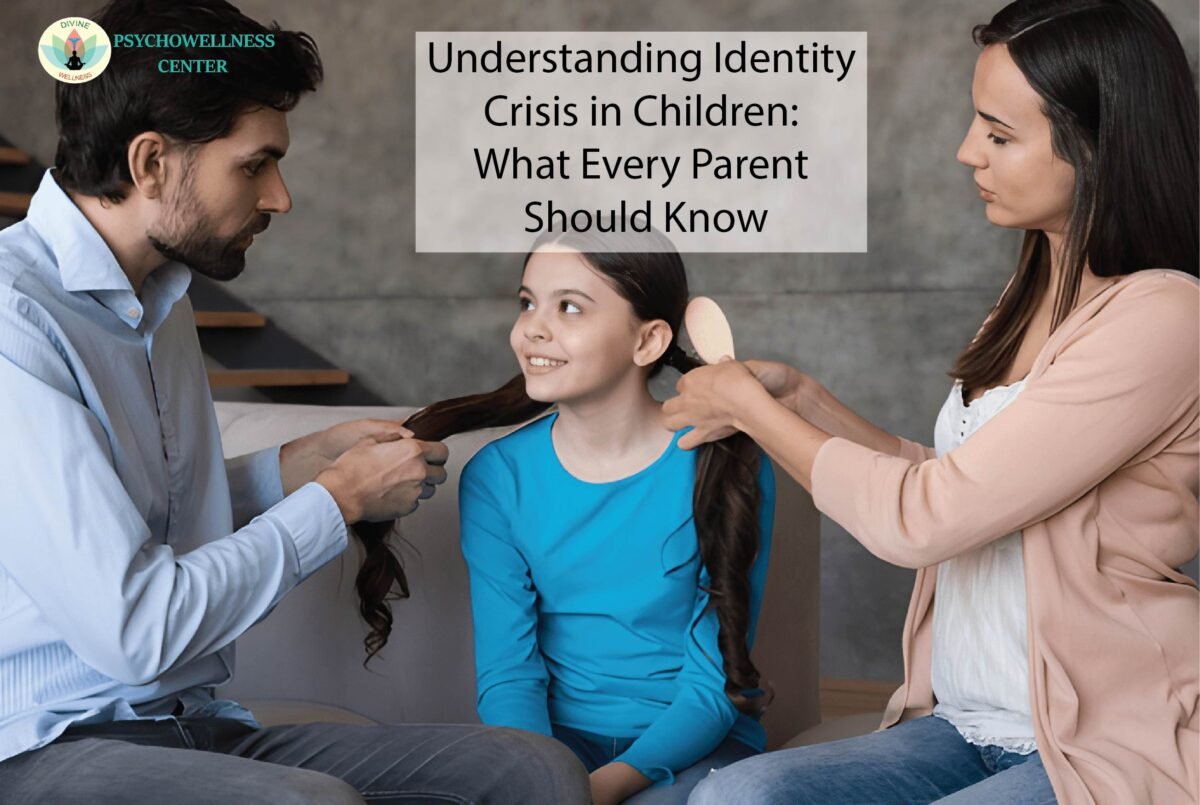
As children grow, they face many emotional and psychological hurdles. One of the most complex and often overlooked challenges is an identity crisis. Though commonly associated with adolescence, identity struggles can begin much earlier in childhood. When not addressed appropriately, these issues can manifest as anger, depression, anxiety, isolation, and a growing fear of missing out (FOMO).
What Is an Identity Crisis?
An identity crisis is a period of uncertainty and confusion in a person’s life when their sense of self becomes unstable. Psychologist Erik Erikson first introduced the concept in his theory of psychosocial development. According to Erikson, children and adolescents move through stages of development where they must answer the question, “Who am I?”
When children struggle to answer this question, they may experience an identity crisis. This doesn’t mean something is “wrong” with them. Rather, it’s a sign that they are trying to understand themselves, their values, their role in the world, and how they fit into their family, peer group, and society.
Why Do Identity Crises Happen in Childhood?
Several factors can contribute to identity issues in children:
- Major life changes such as divorce, moving to a new city, or changing schools.
- Cultural or racial identity conflicts are especially in multicultural families or adopted children.
- Pressure to perform in school, sports, or socially.
- Social media exposure, which can distort a child’s self-image.
- Over-parenting or neglect, both of which can leave a child unsure of who they are outside their family.
At its core, an identity crisis arises when children are not given enough space, guidance, or affirmation to explore their thoughts, beliefs, preferences, and emotions.
Signs Your Child Might Be Experiencing an Identity Crisis
Identifying an identity crisis in children isn’t always straightforward. However, several emotional and behavioural signs may serve as red flags:
- Anger and Irritability:- A child struggling with their sense of self may frequently lash out, argue, or seem constantly frustrated. This anger may be a mask for deeper confusion or insecurity about who they are or where they belong.
- Depression and Sadness:– When children feel they don’t fit in or aren’t good enough, it can lead to depression. This may show up as a lack of interest in activities they once enjoyed, withdrawal from family and friends, or changes in appetite and sleep patterns.
- Anxiety and Constant Worry:- Children facing an identity crisis may be overwhelmed with anxiety, especially about the future or how they are perceived by others. This can manifest in physical symptoms like headaches or stomachaches, or emotional signs like clinginess or perfectionism.
- Isolation and Withdrawal:- Another common sign is isolation. Children may retreat to their rooms, avoid social gatherings, or stop communicating openly. This self-isolation often stems from feeling misunderstood or fearing rejection.
- Fear of Missing Out (FOMO):- In today’s hyper-connected digital world, FOMO is not just an adult problem. Children constantly compare themselves to others online, wondering if they’re missing out on fun, friendships, or success. This can fuel insecurity and make them question their own identity.
The Role of Social Media and Peer Pressure
The modern landscape of childhood includes a constant stream of social media content showcasing curated versions of other people’s lives. For children, especially preteens and teens, this creates a distorted mirror in which they measure their self-worth.
They might feel pressured to dress a certain way, behave like influencers, or conform to unrealistic beauty and behaviour standards. This constant comparison can worsen feelings of anxiety, depression, and FOMO, all of which interfere with the development of a stable identity.
What Parents Can Do: Supporting Your Child Through an Identity Crisis
If your child is going through an identity crisis, your support can make all the difference. Here’s how you can help:
- Create a Safe Space for Expression:- Make sure your child knows that home is a judgment-free zone. Let them express their feelings, ideas, and fears without being corrected or dismissed. Encourage open conversations where they feel heard.
- Validate Their Emotions:- Children need to know that it’s okay to feel lost, angry, or sad. Don’t minimise their experiences. Instead, validate their feelings by saying things like, “I see this is really hard for you,” or “It’s okay to feel unsure sometimes.”
- Encourage Exploration:- Support your child in trying new hobbies, reading different kinds of books, or meeting diverse people. These experiences help them discover what they like and what matters to them.
- Set Healthy Boundaries with Social Media:- While you don’t need to ban social media, it’s important to limit screen time and have regular conversations about the difference between online personas and real life. Help them develop critical thinking skills to interpret what they see online.
- Model Self-Awareness:- Children learn a lot by watching their parents. Be open about your own values, beliefs, and even your past struggles with identity. This shows them that it’s normal to question and grow over time.
- Seek Professional Help If Needed:- If your child’s symptoms of depression, anxiety, or anger are intense or prolonged, consider speaking to a therapist or counsellor. Mental health support can provide them with tools to navigate their emotions and build a stronger sense of self.
How Schools and Communities Can Help
While parents are the first line of support, schools and communities also play a crucial role in helping children form their identity.
- Inclusive education that represents different cultures, genders, and identities can help children feel seen.
- Mentorship programs give kids role models and safe adults to talk to.
- Peer support groups can reduce isolation and help children realise they’re not alone in their struggles.
When children feel supported by a village—not just their family—it strengthens their self-concept and confidence.
Conclusion
An identity crisis in children is a natural part of emotional development, and with patience and open communication, parents can make this phase less overwhelming. When emotional struggles such as anxiety, confusion, or withdrawal persist, seeking help from a qualified child counsellor or an experienced child psychologist can provide children with a safe space to explore their feelings and build self-confidence. Many parents begin this journey by searching for child counselling near me to find timely and trusted support.
For families in Delhi, Psychowellness Center offers compassionate and professional mental health care for children and adolescents. With access to the best Child psychologist in Janakpuri, the center focuses on helping children manage anxiety, develop resilience, and strengthen emotional well-being. Psychowellness Center can be contacted at 011-47039812 or 7827208707 for reliable support. Additionally, online counselling through TalktoAngel allows children to receive consistent guidance from home, making professional care accessible and convenient.
Explore More: https://youtube.com/shorts/m569fgfgZUU?si=vyObwKdJyT2d47-e
https://youtube.com/shorts/RrZU3eA1LCA?si=f1QEEGwWMZ6mROxf
Contribution: Dr. R.K. Suri, Clinical Psychologist, and Ms. Riya Rathi, Counselling Psychologist
References
- Dhabhai, I. (2025). Psychosocial challenges of adolescents: Exploring identity crisis through Erikson’s theory. RESEARCH REVIEW International Journal of Multidisciplinary, 10(5), 322–328. https://doi.org/10.31305/rrijm.2025.v10.n5.035
- Klimstra, T. (2013). Adolescent personality development and identity formation. Child
- Development Perspectives, 7(2), 80–84. https://doi.org/10.1111/cdep.12017
- (2022). Identity development and social-emotional disorders during adolescence and emerging adulthood: A systematic review and meta-analysis. Journal of Youth and Adolescence, 51, 16–29. https://doi.org/10.1007/s10964-021-01536-7