
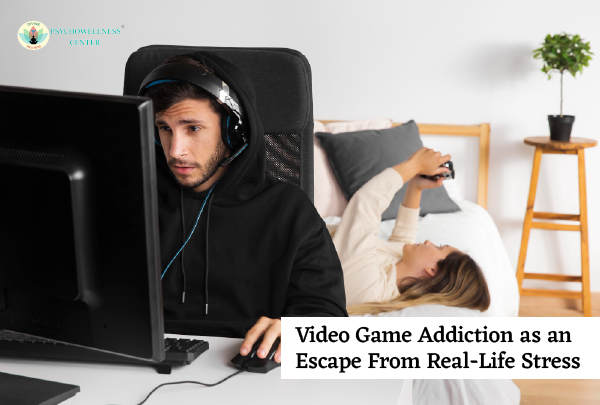
Video games have become one of the most popular forms of entertainment in the modern world. For many individuals, gaming offers relaxation, creativity, and social interaction. However, when gaming becomes excessive and begins replacing real-life responsibilities or emotional coping strategies, it may signal a deeper issue. In many cases, people turn to video games as a way to avoid or escape stressful life situations. While gaming itself is not harmful, overreliance on it as a coping mechanism can lead to behavioural and psychological difficulties that affect daily functioning, relationships, and overall well-being.
Understanding Video Game Addiction
Video game overuse becomes problematic when it interferes with important areas of life, such as work, education, relationships, or health. Behavioural scientists increasingly recognise gaming-related addiction as a pattern of excessive engagement that leads to loss of control over gaming habits. People who struggle with gaming addiction may find it difficult to reduce the time they spend playing games, even when they are aware of the negative consequences. Over time, gaming can shift from a recreational activity to a psychological coping tool used to manage uncomfortable emotions or avoid real-life responsibilities. When gaming becomes the primary way to deal with challenges, it can create unhealthy patterns that reinforce avoidance rather than problem-solving.
Escaping Stress Through Virtual Worlds
Many individuals use video games as a temporary escape from real-life pressure. Academic expectations, financial concerns, workplace demands, and social challenges can lead people to seek relief through immersive digital environments. When stress remains unaddressed, it can gradually contribute to emotional struggles such as anxiety or low mood. Games may provide a sense of control, achievement, and immediate rewards that real life may not offer at the moment.
For individuals experiencing depression, gaming environments can feel safer than facing personal difficulties. The structured rules and predictable outcomes within games may feel comforting compared to the uncertainty of real-life situations.
While gaming may temporarily reduce distress, relying solely on virtual environments to cope with stress can prevent individuals from developing effective real-world coping skills.
From Habit to Dependence
Occasional gaming is not problematic. However, when individuals rely heavily on gaming to manage their emotions, a pattern of psychological dependence can develop. In such cases, the individual may feel restless, irritable, or uncomfortable when unable to play. This pattern occurs because gaming can activate reward systems in the brain. Achievements, progression systems, and social rewards in games can create powerful reinforcement loops. Over time, this can reduce motivation for real-life activities such as studying, working, socialising, or pursuing hobbies. As a result, the person may become increasingly isolated and disconnected from real-world responsibilities.
Emotional Regulation and Gaming
Another factor that contributes to excessive gaming is difficulty with emotion control. Many individuals struggle to manage frustration, disappointment, or overwhelming feelings. Video games can temporarily provide a distraction from these emotions. However, when emotional regulation skills are not developed, gaming becomes the primary strategy for avoiding distress. Therapeutic interventions often focus on helping individuals identify emotional triggers that lead to excessive gaming. By learning healthier coping strategies, individuals can respond to stress in more constructive ways.
Impact on Social Relationships
Although many games offer online interaction, excessive gaming can still lead to real-life social difficulties. Spending long hours gaming may reduce time spent with family, friends, or colleagues. This can contribute to communication difficulties or unresolved interpersonal problem patterns. Over time, social isolation may increase emotional distress, further reinforcing gaming as a coping mechanism. Healthy relationships require communication, emotional presence, and shared experiences outside digital environments.
Building Resilience Against Stress
One of the most effective ways to reduce problematic gaming behaviour is by strengthening psychological resilience. Resilience refers to the ability to adapt and recover from challenges, setbacks, or stressful situations. Developing resilience helps individuals face real-life problems rather than avoiding them. This may involve improving problem-solving skills, building supportive relationships, and developing emotional awareness. When individuals learn to cope with challenges effectively, the need to escape into gaming environments often decreases.
Healthy Coping Strategies
Addressing gaming addiction involves creating balanced routines and developing healthier coping strategies. Mental health professionals often encourage individuals to set realistic boundaries around gaming time while exploring alternative activities. One helpful approach involves goal setting, which allows individuals to identify meaningful personal objectives related to education, career, relationships, or hobbies. Clear goals provide direction and motivation that can replace excessive gaming habits. Engaging in self-improvement activities such as exercise, skill development, or creative pursuits can also enhance personal satisfaction and confidence. Practices like mindfulness are increasingly used in therapy to help individuals become more aware of their thoughts, emotions, and behavioural patterns. Mindfulness encourages individuals to respond to stress with awareness rather than automatic avoidance. By recognising emotional triggers and practising self-awareness, individuals can develop healthier responses to stress and reduce reliance on gaming as an escape.
Conclusion
Video game addiction often develops when gaming becomes a primary escape from real-life stress and emotional difficulties. While gaming can provide temporary relief, relying on it excessively may lead to avoidance, social isolation, and reduced motivation for real-life responsibilities. Understanding the psychological factors behind gaming behaviour is an important step toward recovery. By developing healthier coping strategies, strengthening resilience, and improving emotional awareness, individuals can regain balance between digital entertainment and real-life engagement. Seeking professional guidance when gaming habits become overwhelming can provide valuable support. With the right strategies and support, individuals can build healthier routines and develop more effective ways to cope with life’s challenges.
When gaming habits become difficult to manage independently, seeking professional guidance can be beneficial. Many individuals searching for support, such as a therapist near me, a counselling centre near me, a psychologist in Delhi NCR, or the best psychologists in Delhi, can find structured help at Psychowellness Center (Contact: 011-47039812 / 7827208707). The centre provides professional psychological support to help individuals understand the emotional reasons behind excessive gaming, improve coping skills, and manage behavioural challenges. With evidence-based therapy and guidance from experienced counselling psychologists, individuals can address underlying stressors, develop healthier habits, and restore balance in their daily routines. To learn more about video game addiction, emotional well-being, and healthy coping strategies, you can also explore helpful resources and counselling support through TalktoAngel, which offers convenient online counselling services.
To learn more about video game addiction and related behavioural challenges, you can explore Addiction-related videos.
Contribution: Dr. R.K. Suri, Clinical Psychologist, and Ms. Mahima, Counselling Psychologist
REFERENCES
- Andreassen, C. S., Pallesen, S., & Griffiths, M. D. (2017). The relationship between addictive use of social media and video games and symptoms of psychiatric disorders. Psychology of Addictive Behaviors, 31(2), 252–262.
- Griffiths, M. D. (2010). The role of context in online gaming excess and addiction: Some case study evidence. International Journal of Mental Health and Addiction, 8(1), 119–125. https://doi.org/10.1007/s11469-009-9229-x
- King, D. L., Haagsma, M. C., Delfabbro, P. H., Gradisar, M., & Griffiths, M. D. (2013). Toward a consensus definition of pathological video gaming. Clinical Psychology Review, 33(3), 331–342.