
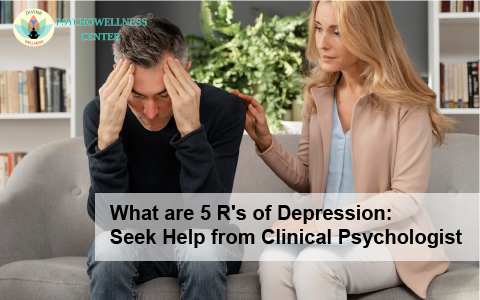
Depression is one of the most common mental health conditions affecting people across the world. It goes beyond temporary sadness or feeling low for a short period. Depression can affect how a person thinks, feels, and behaves, often interfering with daily life, relationships, and work performance. Many individuals experiencing depression may struggle with persistent feelings of hopelessness, low motivation, emotional fatigue, and a loss of interest in activities they once enjoyed.
Understanding the psychological patterns associated with depression can help individuals recognize early warning signs and seek appropriate support. Mental health professionals often explain depression using different frameworks to make it easier to understand its impact. One helpful approach is the concept of the “5 R’s of Depression,” which highlights common emotional and behavioral patterns that individuals experiencing depression may go through.
Recognizing these patterns can encourage individuals to seek timely help from a clinical psychologist, which plays an important role in recovery and emotional healing.
1. Rumination
Rumination refers to the tendency to repeatedly think about negative experiences, mistakes, or personal shortcomings. Individuals experiencing depression may continuously replay past events in their minds and blame themselves for situations they cannot change.
This pattern of repetitive negative thinking often intensifies feelings of sadness and guilt. Instead of helping individuals find solutions, rumination keeps the mind focused on distressing thoughts, making it harder to move forward.
Clinical psychologists often help individuals identify rumination patterns and replace them with healthier thinking strategies through therapeutic approaches such as cognitive behavioral therapy.
2. Resistance
Resistance is another common psychological response seen in depression. Individuals may resist seeking help, discussing their emotions, or accepting that they are struggling mentally. Sometimes this resistance occurs because of stigma around mental health or the belief that they should be able to handle problems on their own.
This avoidance can delay treatment and allow symptoms of depression to become more severe. Recognizing that mental health struggles are valid and that professional help is beneficial is an important step toward recovery.
3. Rejection
Depression often affects how individuals perceive themselves and others. Many people experiencing depression may feel rejected or believe they are not valued by others. In some cases, they may even withdraw from relationships because they assume others will not understand their feelings.
This sense of rejection can increase loneliness and emotional isolation, which may further worsen depressive symptoms. Therapy helps individuals rebuild self-confidence and improve communication with supportive people in their lives.
4. Resentment
Resentment can develop when individuals feel misunderstood, unsupported, or overwhelmed by life circumstances. People dealing with depression may experience frustration toward situations, relationships, or even themselves.
Unresolved resentment can intensify emotional distress and make it difficult to maintain healthy relationships. Through counseling and therapeutic guidance, individuals can learn to process these emotions in healthier ways and develop constructive coping strategies.
5. Recovery
The final “R” represents recovery, which is an important reminder that depression is treatable. With appropriate support, therapy, and lifestyle adjustments, individuals can gradually improve their emotional well-being and regain a sense of balance in their lives.
Recovery does not necessarily mean that difficulties disappear overnight. Instead, it involves learning effective coping skills, developing emotional control, and building supportive relationships that promote long-term mental health.
The Importance of Seeking Professional Help
Depression can affect multiple aspects of life, including sleep, eating problems, concentration, and motivation. In some cases, individuals may also experience anxiety, fatigue, feelings of worthlessness, or persistent sadness. Without proper support, these symptoms may continue to worsen.
Clinical psychologists are trained professionals who help individuals understand the underlying causes of depression and develop effective coping strategies. Through evidence-based therapies such as cognitive behavioral therapy, emotional regulation techniques, and supportive counseling, psychologists help individuals regain emotional stability and confidence.
Professional Support for Depression
Seeking professional help is an important step in effectively managing depression and improving emotional wellbeing. Psychowellness Center, located in Dwarka Sector-17 and Janakpuri, offers access to experienced clinical psychologists in Delhi NCR who provide counseling and psychological support for individuals dealing with depression, anxiety, emotional distress, and relationship difficulties. The professionals at the center focus on understanding each individual’s concerns and provide personalized therapeutic guidance to help them cope with emotional challenges in a healthier way. Individuals can contact 011-47039812 or 7827208707 to schedule appointments or learn more about the available services.
Through structured and personalized therapy sessions, individuals are given a safe and confidential environment where they can openly discuss their thoughts and feelings. Clinical psychologists help clients develop practical coping strategies, emotional regulation skills, and healthier thinking patterns that support long-term mental wellbeing. For individuals who prefer convenient and accessible support, TalktoAngel also offers online counseling sessions, allowing people to connect with qualified psychologists and receive professional guidance from the comfort and privacy of their homes.
Conclusion
Depression can be a challenging and deeply personal experience, but understanding the psychological patterns associated with it can help individuals take the first step toward healing. The 5 R’s of depression, rumination, resistance, rejection, resentment, and recovery, highlight how thoughts, emotions, and behaviors can interact during depressive experiences.
Recognizing these patterns and seeking support from a qualified clinical psychologist can make a significant difference in the recovery process. With the right guidance, support, and coping strategies, individuals can regain emotional strength and work toward a healthier and more balanced life.
Contribution: Dr. R.K. Suri, Clinical Psychologist, and Ms. Sakshi Dhankhar, Counselling Psychologist
References
https://www.psychowellnesscenter.com/Blog/best-psychologist-in-dwarka-for-anxiety-and-depression/
https://www.psychowellnesscenter.com/Blog/effective-solution-for-wfh-depression/
https://www.psychowellnesscenter.com/Blog/therapy-and-counselling-for-clinical-depression/
https://www.psychowellnesscenter.com/Blog/social-media-use-and-depression/
https://www.psychowellnesscenter.com/Blog/depression-relapse-seek-online-counselling/
American Psychiatric Association. (2022). Diagnostic and statistical manual of mental disorders (5th ed., text rev.; DSM-5-TR). American Psychiatric Publishing.
Beck, A. T. (1979). Cognitive therapy of depression. Guilford Press.
World Health Organization. (2021). Depression fact sheet. World Health Organization.
Nolen-Hoeksema, S. (2000). The role of rumination in depressive disorders. Journal of Abnormal Psychology, 109(3), 504–511.