
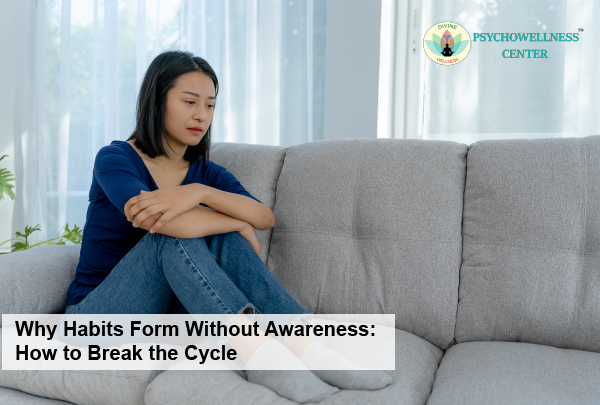
Habits are powerful drivers of our daily behaviour, often shaping our decisions, reactions, and routines without conscious awareness. Many of the actions we repeat each day—whether healthy or unhealthy—are guided by automatic patterns formed over time. While positive habits can enhance productivity, well-being, and overall quality of life, negative habits often develop subtly and may go unnoticed until they begin to interfere with personal, emotional, or physical health. These behaviours may include procrastination, excessive screen time, unhealthy eating, or avoidance of responsibilities, all of which can gradually become deeply ingrained.
Habits form through repeated actions that the brain begins to automate to conserve effort and increase efficiency. Factors such as environmental cues, emotional triggers, stress, and past experiences play a significant role in shaping these patterns. Over time, behaviours that once required conscious effort become automatic responses to certain situations or feelings. Understanding why habits form without awareness is therefore essential, as it allows individuals to identify triggers, recognise patterns, and take intentional steps toward breaking unhealthy cycles while fostering more positive, sustainable behaviours.
How Habits Develop
Habits develop through a loop of cues, routines, and rewards. When the brain experiences a positive outcome or relief from discomfort, it reinforces the behaviour. Over time, the action becomes automatic, bypassing conscious thought. For example, someone may automatically check their phone when bored, snack when anxious, or procrastinate on tasks, often without realising it. These automatic behaviours can be influenced by psychological and environmental factors, making them persistent and difficult to change.
Psychological Drivers of Habit Formation
Several mental health and behavioural factors contribute to unconscious habit formation:
- Stress: Chronic stress can make the brain rely on habitual behaviours for temporary relief, such as overeating, smoking, or excessive screen time.
- Procrastination: Difficulty managing time or avoiding tasks often results in patterns of avoidance, which reinforce unhealthy routines.
- Low Motivation: Habits can fill the gap when low motivation prevents conscious decision-making, leading to repeated automatic behaviours.
- Impulse Control: Individuals struggling with anger or impulsivity may fall into repetitive, sometimes destructive habits without recognising their triggers.
- Emotional Patterns: Unprocessed grief and loss or unresolved emotional challenges can lead to habitual behaviours as coping mechanisms.
Recognising these drivers allows individuals to address the root causes rather than just treating the surface behaviour.
Strategies to Break Unhealthy Habits
Breaking a habit requires deliberate awareness and structured approaches. Key strategies include:
- Identify Triggers: Track when and why the habit occurs to understand cues. Awareness disrupts the automatic pattern.
- Substitute with Positive Behaviours: Replace unhealthy habits with constructive alternatives. For instance, replace stress-eating with a short walk or mindfulness exercise.
- Set Achievable Goals: Focus on small, realistic steps. Attempting drastic changes may overwhelm and lead to relapse.
- Practice Mindfulness: Techniques such as meditation or deep breathing help recognise impulses and create space for conscious decision-making.
- Reward Healthy Behaviour: Reinforce new, positive habits by celebrating small wins, strengthening the brain’s reward system.
- Professional Guidance: Mental health professionals provide tailored strategies for behaviour change, particularly for those struggling with emotional abuse, stress, or low motivation.
Role of Professionals
Licensed psychologists and counsellors help identify and modify unconscious patterns effectively:
- Assessment and Evaluation: Experts examine the triggers and mental health factors contributing to habitual behaviours.
- Cognitive Behavioural Therapy (CBT): CBT helps restructure thought patterns, encouraging healthier responses to triggers.
- Emotion Regulation: Therapists guide clients in managing anger, coping with stress, and developing emotional resilience.
- Personalised Behaviour Plans: Tailored strategies take into account an individual’s lifestyle, goals, and mental health needs, improving the chances of sustainable habit change.
With the right guidance, individuals can regain conscious control, improve emotional well-being, and replace harmful habits with beneficial routines.
Daily Practices to Support Change
Even outside professional settings, consistent practices can support habit transformation:
- Use Visual or Digital Reminders: Help interrupt automatic behaviours before they occur.
- Journaling: Reflect on patterns and emotional responses to gain insight into triggers.
- Stress Management: Incorporate exercise, relaxation techniques, or mindfulness to reduce reliance on unhealthy coping mechanisms.
- Support Network: Sharing goals with friends or family provides accountability and motivation.
By integrating these strategies, individuals can gradually disrupt automatic cycles and foster meaningful behavioural change.
Conclusion
Unhealthy habits often form without awareness, influenced by underlying factors such as stress, low motivation, anger, grief and loss, procrastination, and emotional abuse. These hidden drivers shape behaviour patterns over time, making them feel automatic and difficult to change. Understanding these influences is the first step in breaking repetitive cycles and cultivating healthier, more intentional routines that support overall well-being. To gain deeper insight into building awareness and improving emotional balance, you can explore the YouTube page of Psychowellness Center, where videos on mindfulness and happiness offer practical strategies that align with breaking unconscious habit patterns and fostering positive behavioural change.
Psychowellness Center provides access to the counselling psychologist near me and the best psychologist near me for personalised guidance in addressing habitual behaviours and emotional challenges. Psychowellness Center at Dwarka and Janakpuri, New Delhi (Contact: 011-47039812 / 7827208707) offers a supportive environment where individuals can gain awareness, develop effective coping strategies, and build sustainable habits for long-term well-being.
Contributions: Dr. R.K. Suri, Clinical Psychologist, and Ms. Mansi, Counselling Psychologist
References
- Lally, P., van Jaarsveld, C. H., Potts, H. W., & Wardle, J. (2010). How habits are formed: Modelling habit formation in the real world. European Journal of Social Psychology, 40(6), 998–1009. https://doi.org/10.1002/ejsp.674
- Wood, W., & Rünger, D. (2016). Psychology of habit. Annual Review of Psychology, 67, 289–314. https://doi.org/10.1146/annurev-psych-122414-033417
- Ouellette, J. A., & Wood, W. (1998). Habit and intention in everyday life: The multiple processes by which past behavior predicts future behavior. Psychological Bulletin, 124(1), 54–74. https://doi.org/10.1037/0033-2909.124.1.54