
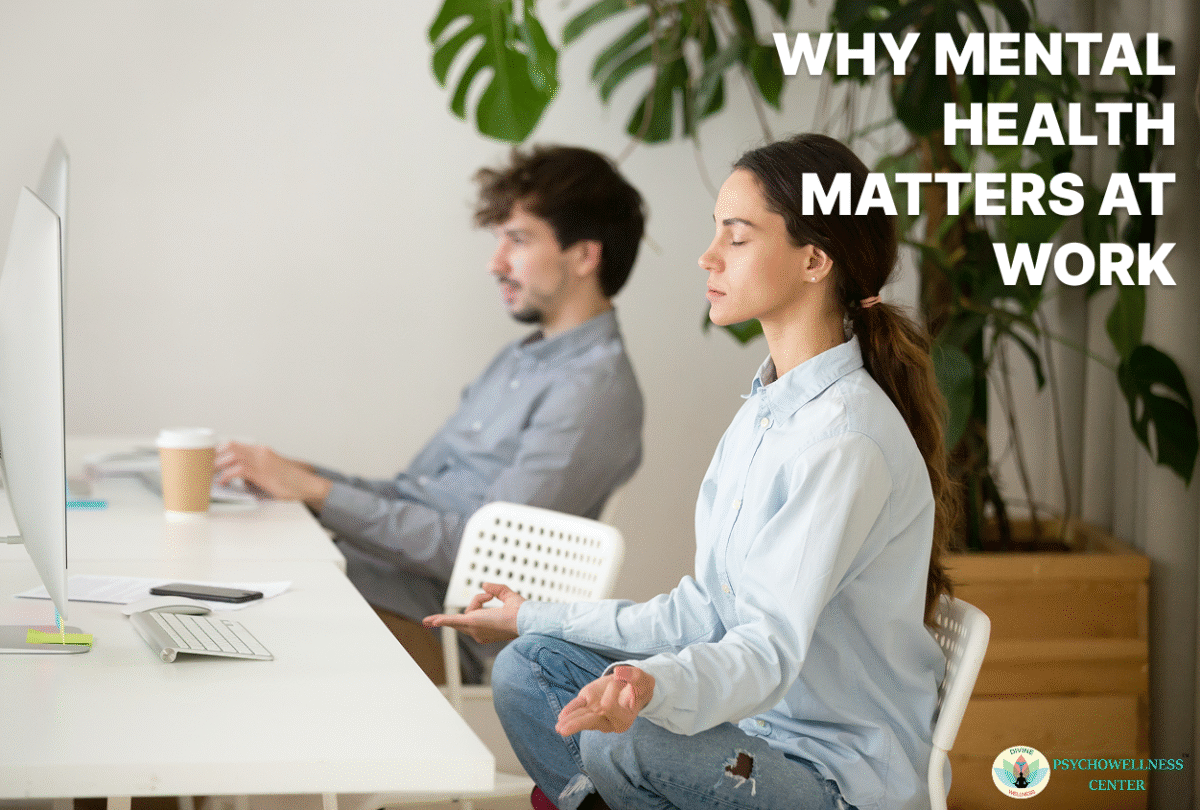
In today’s fast-paced professional environment, organizations are increasingly recognizing that their most valuable resource is not technology, capital, or infrastructure, but people. Employees who feel psychologically safe, supported, and mentally healthy are more likely to thrive, perform productively, and remain committed to their workplace. While physical health has long been a focus of workplace policies, mental health is now coming to the forefront as a critical component of organizational success. The simple truth is that mental health matters at work, not just for individuals, but for teams, leadership, and the overall sustainability of businesses.
Understanding Mental Health in the Workplace
In the workplace, “mental health at work” refers to the psychological, emotional, and cognitive well-being of employees. It reflects how people think, feel, and act on the job, shaping their performance, interactions with colleagues, and ability to cope with stress.
Unfortunately, mental health challenges such as anxiety, depression, burnout, and stress are common in workplaces across the globe. Long working hours, unrealistic deadlines, poor communication, and a lack of work-life balance can significantly strain employees. According to the World Health Organization, depression and anxiety alone cost the global economy an estimated US$1 trillion annually in lost productivity. This figure highlights that addressing mental health is not just a moral responsibility but also a smart business strategy.
Why Mental Health Matters at Work
- Employee Productivity and Performance:-Employees struggling with mental health concerns often face difficulty concentrating, making decisions, or managing tasks effectively. They can suffer from “presenteeism,” which is the inability to give their utmost effort even when they are physically at their desk. A mentally healthy workforce, however, is more focused, creative, and motivated, directly contributing to higher organizational performance.
- Reducing Absenteeism and Turnover:-Workplaces that neglect mental health often see higher absenteeism rates, as employees may take more sick days or leave jobs altogether due to stress-related illnesses. Replacing employees is not only expensive but also disrupts team cohesion. By creating a mentally supportive environment, companies can reduce turnover, retain top talent, and maintain a stable, committed workforce.
- Strengthening Workplace Culture:- A healthy workplace culture is built on trust, inclusion, and open communication. When organizations invest in mental health initiatives, it signals to employees that their well-being is valued. This fosters loyalty and creates a culture of empathy, where employees feel safe to discuss challenges without stigma or fear of judgment. Such environments also encourage collaboration, reduce conflicts, and nurture innovation.
- Legal and Ethical Responsibility:- In many countries, employers are legally obligated to provide safe working conditions, which include addressing psychological hazards such as workplace harassment, bullying, or overwork. Beyond legal compliance, it is an ethical imperative for organizations to safeguard the dignity and mental well-being of their employees. Demonstrating a genuine commitment to mental health strengthens an organization’s reputation both internally and externally.
- Improving Leadership and Management:-Leadership plays a pivotal role in shaping workplace mental health. Leaders who practice emotional intelligence, show empathy, and support mental health programs create a positive ripple effect across the organization. However, ineffective leadership can make people feel even more stressed and unhappy. Training managers to identify signs of burnout or distress, while encouraging open dialogue, ensures that issues are addressed before they escalate.
Strategies to Promote Mental Health at Work
The first step is recognizing the importance of mental health, followed by putting practical strategies into action to build a supportive environment.
- Make Talking About Mental Health More Common:- a major hurdle in tackling mental health issues is the silence and stigma that often surround them. Organizations can counter this by hosting awareness initiatives, motivating leaders to share their personal journeys, and establishing confidential support systems where employees feel comfortable reaching out for help.
- Introduce Employee Assistance Programs (EAPs):-Employee assistance programs (EAPs) give staff members access to crisis intervention, stress management classes, and professional counseling. Offering these services helps employees manage personal and professional challenges without fear of exposure.
- Encourage Work-Life Balance:-Flexible working hours, hybrid work models, and clear boundaries around after-hours communication help employees recharge and prevent burnout. Respecting personal time is essential for long-term productivity and job satisfaction.
- Promote Healthy Lifestyle Choices:-Physical activity, nutrition, and sleep all contribute to mental well-being. Workplaces can support this by offering wellness programs, gym memberships, meditation breaks, or even simple initiatives like walking meetings.
- Train Leaders and Managers:-Equipping leaders with the skills to recognize early signs of stress, provide constructive feedback, and support struggling employees ensures that mental health concerns are addressed proactively.
- Create Inclusive and Safe Spaces:-Diversity, equity, and inclusion efforts should go hand in hand with mental health initiatives. Employees must feel accepted regardless of gender, race, or personal challenges. Safe spaces encourage authentic self-expression, reducing stress caused by discrimination or exclusion.
The Business Case for Mental Health
While the moral case for supporting mental health is clear, the financial benefits are equally compelling. A mentally healthy workplace leads to:
- Higher engagement: Employees who feel valued and supported are more engaged and innovative.
- Stronger customer service: Satisfied employees often translate into satisfied clients.
- Resilient teams: Mentally healthy teams adapt better to change and recover quickly from setbacks.
- Competitive advantage: Organizations that prioritize mental health attract top talent and build a positive brand reputation.
In short, mental health is not just a “nice-to-have”; it is a “must-have” for sustainable organizational growth.
Conclusion
Mental health at work is no longer a secondary concern; it is central to the success of both employees and organizations. By fostering open conversations, reducing stigma, and implementing practical initiatives, workplaces can create an environment where people feel safe, motivated, and empowered. When employees thrive mentally, organizations thrive too. Investing in mental health is, therefore, not just a compassionate choice but a strategic one that shapes the future of work.
While organizational strategies play a huge role in fostering well-being, many employees also benefit from direct professional support. Counseling services, whether in-person or online, help individuals manage stress, anxiety, burnout, or interpersonal conflicts at work more effectively. Centers like the Psychowellness Center (Dwarka Sector-17: 011-47039812 / 7827208707 and Janakpuri: 011-47039812 / 7827208707) offer specialized workplace counseling, stress management therapy, and resilience training for employees and leaders alike. Evidence-based approaches such as Cognitive Behavioral Therapy (CBT) for reframing negative thought patterns, Mindfulness-Based Cognitive Therapy (MBCT) for stress reduction, Solution-Focused Therapy for workplace problem-solving, and Group Therapy for team building can significantly improve both individual and organizational health. Additionally, online platforms like TalktoAngel make therapy accessible and confidential for employees seeking help from the comfort of their homes. By integrating such counseling options into workplace wellness strategies, organizations can ensure that employees have the resources they need to remain resilient, productive, and emotionally balanced.
This article features expert insights from Clinical Psychologist Dr. R.K. Suri and Counselling Psychologist Ms. Tanu Sangwan, strategies for enhancing mental resilience.
References
- World Health Organization. (2022). Mental health in the workplace. Retrieved from https://www.who.int
- American Psychological Association. (2021). Workplace well-being and mental health. Retrieved from https://www.apa.org
Deloitte Insights. (2020). Mental health and employers: Refreshing the case for investment. Deloitte.
- National Institute for Occupational Safety and Health (NIOSH). (2021). Workplace stress and mental health. Centers for Disease Control and Prevention.
- Harvard Business Review. (2021). The case for investing in mental health at work. Retrieved from https://hbr.org