
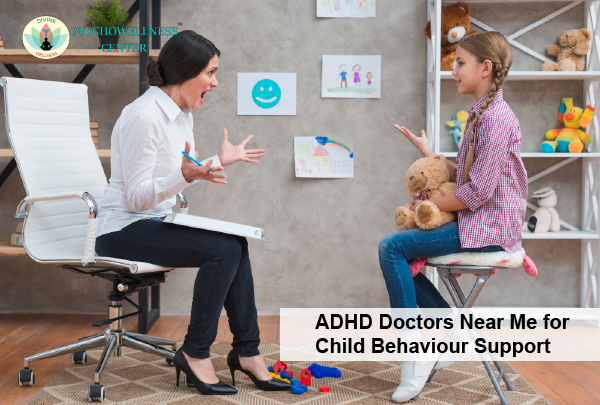
Raising a child comes with its own joys and challenges, but when a child struggles with attention, impulsivity, or hyperactivity, everyday parenting can feel overwhelming. Many parents begin searching for “ADHD doctors near me” when they notice their child having difficulty focusing in school, following instructions, or managing emotions. Understanding where to start and how to find the right support can make a significant difference in your child’s development and overall well-being.
Understanding ADHD in Children
Attention-Deficit/Hyperactivity Disorder (ADHD) is a neurodevelopmental condition that affects a child’s ability to concentrate, regulate behavior, and control impulses. It is not simply a phase or “bad behavior”, it is a medically recognized condition that requires proper evaluation and support.
Children with ADHD may show signs such as:
- Difficulty paying attention or staying focused
- Frequent forgetfulness
- Trouble following instructions
- Excessive talking or interrupting others
- Impulsive actions without thinking
These behaviors can impact their academic performance, social relationships, and self-esteem. For kids to successfully handle these difficulties, early detection and intervention are essential.
Why Search for ADHD Doctors Near You?
When parents search for “ADHD doctors near me,” they are usually looking for accessible, reliable, and specialized care. Proximity matters because ADHD treatment often involves regular follow-ups, therapy sessions, and ongoing monitoring.
Local ADHD specialists can provide:
- Timely assessments and diagnosis
- Personalized treatment plans
- Consistent behavioral therapy sessions
- Easy access during emergencies or concerns
Having a doctor nearby also reduces travel stress for both parents and children, making it easier to stay committed to the treatment plan.
Types of ADHD Specialists for Children
There are different types of healthcare professionals who diagnose and treat ADHD. Knowing whom to approach can help you make an informed decision.
- Pediatricians
Often the first point of contact, pediatricians can identify early signs of ADHD and guide parents toward specialists. Some pediatricians are trained to diagnose and manage mild ADHD cases.
- Child Psychologists
They focus on behavioral therapy and psychological assessments. Psychologists help children develop coping strategies, improve focus, and manage emotions. - Child Psychiatrists
These are physicians with a focus on mental health. They can diagnose ADHD, prescribe medication if necessary, and provide comprehensive treatment.
- Behavioral Therapists
They work closely with children to modify behavior patterns, improve social skills, and build routines that support focus and discipline.
Signs Your Child May Need Professional Support
While occasional distraction or hyperactivity is normal, consistent patterns may indicate a deeper issue. Consider seeking help if your child:
- Struggles academically despite effort
- Has difficulty sitting still or staying organized
- Frequently gets into trouble at school
- Shows emotional outbursts or frustration
- Finds it difficult to establish and keep friendships
If these behaviors persist for more than six months and occur in multiple settings (home, school, social environments), consulting an ADHD specialist is advisable.
How to Find the Right ADHD Doctor Near You
Finding the right professional requires careful research and consideration. Here are some practical steps:
- Ask for Recommendations
Start by consulting your child’s school teachers, counselors, or pediatrician. They often have trusted referrals for ADHD specialists.
- Check Credentials and Experience
Ensure the doctor has experience in diagnosing and treating ADHD in children. Look for certifications and specialization in child behavior or mental health.
- Read Reviews and Testimonials
Online reviews from other parents can provide insights into the doctor’s approach, communication style, and effectiveness.
- Evaluate Communication Style
Choose a doctor who listens patiently, explains clearly, and involves both you and your child in the treatment process.
- Accessibility and Availability
Regular visits are part of ADHD management, so choose a doctor who is conveniently located and has flexible appointment options.
Treatment Approaches for ADHD
ADHD treatment is not one-size-fits-all. It usually involves a combination of approaches tailored to the child’s needs.
Behavioral Therapy
For younger children in particular, this is frequently the initial course of treatment. It focuses on reinforcing positive behaviors, improving discipline, and building routines.
Family Counseling
Parents learn techniques to manage their child’s behavior effectively, including setting clear expectations and using positive reinforcement.
Medication
In some cases, doctors may prescribe medication to help improve focus and reduce impulsivity. This is usually considered when behavioral therapy alone is not sufficient.
School Support
Collaborating with teachers to create structured learning environments, extra time for tasks, or individualized education plans (IEPs) can greatly help.
Supporting Your Child at Home
While professional help is essential, parental support plays a crucial role in managing ADHD.
- Create a routine: Consistent schedules help children feel secure and focused.
- Break tasks into small steps: This makes tasks less overwhelming.
- Use positive reinforcement: Praise and rewards encourage good behavior.
- Limit distractions: A quiet, organized space can improve concentration.
- Encourage physical activity: Exercise helps reduce hyperactivity and improves mood.
Patience and understanding are key. Children with ADHD are not being difficult on purpose, they need guidance and support.
ADHD Support at Psychowellness Center & TalktoAngel
If you are looking for trusted ADHD counselors near in Dwarka and psychological counseling near me, Psychowellness Center offers specialized child behavior support services. The center provides expert assessment, ABA therapy, occupational therapy, and counseling for children dealing with ADHD and related behavioral challenges.
With clinics located in Janakpuri and Dwarka Sector 17, parents can access convenient, in-person consultations with experienced child psychologists in Delhi NCR and child behavior experts. The team focuses on personalized care, ensuring that each child receives a treatment plan tailored to their unique needs.
For those who prefer online therapy consultations, TalktoAngel is a reliable platform that connects parents with qualified psychologists and therapists from the comfort of their home. This is especially helpful for busy families or those who may not be able to visit clinics frequently.
To book an appointment or inquire further, you can contact:
- Phone: 011-47039812
- Mobile: 7827208707
These services make it easier for parents to access professional guidance without unnecessary delays, ensuring timely support for their child.
The Importance of Early Intervention
The earlier ADHD is identified and treated, the better the outcomes. Early intervention can:
- Improve academic performance
- Strengthen social skills
- Boost self-confidence
- Reduce stress for both child and parents
Delaying treatment can lead to frustration, low self-esteem, anger issues, and difficulties in school and relationships.
Conclusion
Searching for “ADHD counselors near me” is often the first step in a parent’s journey toward understanding their child’s needs. While the process may feel overwhelming at first, the right support system can transform your child’s life.
By finding a qualified specialist, following a structured treatment plan, and creating a supportive home environment, you can help your child thrive despite the challenges of ADHD. Remember, every child is unique, and with the right care, they can turn their energy and creativity into strengths that set them apart.
If you suspect your child may have ADHD, don’t hesitate to seek professional guidance. Taking that first step can open the door to a healthier, happier future for your child.
Contributions: Dr. R.K. Suri, Clinical Psychologist, and Ms. Sakshi Dhankhar, Counselling Psychologist
References
American Psychiatric Association. (2022). Diagnostic and statistical manual of mental disorders (5th ed., text rev.; DSM-5-TR). American Psychiatric Publishing.
https://www.psychowellnesscenter.com/Blog/attention-deficit-hyperactivity-disorder/
https://www.psychowellnesscenter.com/Blog/how-does-adhd-affects-brain/
https://www.psychowellnesscenter.com/Blog/adhd-and-job-performance-psychological-support-that-helps/
https://www.psychowellnesscenter.com/Blog/parental-guide-for-children-with-adhd/
Centers for Disease Control and Prevention. (2024). Attention-deficit / hyperactivity disorder (ADHD). https://www.cdc.gov/adhd
DuPaul, G. J., & Stoner, G. (2014). ADHD in the schools: Assessment and intervention strategies (3rd ed.). Guilford Press.
National Institute of Mental Health. (2023). Attention-deficit/hyperactivity disorder. https://www.nimh.nih.gov/health/topics/attention-deficit-hyperactivity-disorder-adhd