
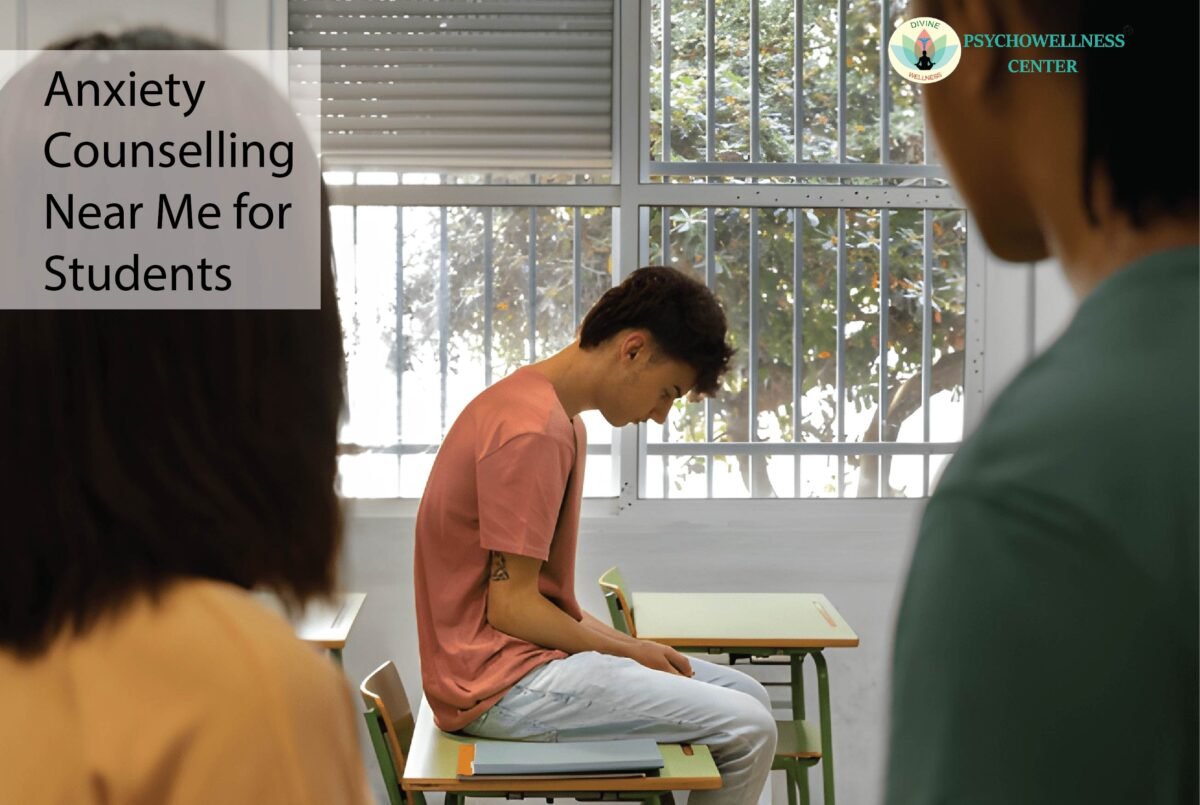
Anxiety is one of the most common emotional challenges that students face in academic environments today. Whether it’s pre-exam stress, performance pressure, social anxiety, concerns about future goals, or the general struggle to balance studies with personal life, many students experience persistent worry that goes beyond occasional nervousness. For some, this distress becomes so overwhelming that it begins to interfere with sleep, concentration, relationships, and daily functioning—signalling the need for professional support. You’re not the only one looking for “anxiety counselling near me for students.” Many young people are taking proactive steps to seek help, and there are effective, evidence-based interventions available that can make a real difference.
What Is Anxiety in Students?
Anxiety is a natural human response to stress, but for many students, anxiety becomes persistent, excessive, and difficult to control. In academic settings, it often shows up as:
- Worrying constantly about grades or performance
- Fear of failure or disappointing others
- Mind racing during exams or before presentations
- Difficulty concentrating on study tasks
- Physical symptoms like headaches, rapid heartbeat, trembling, or sleep issues
- Avoidance of social interactions or classroom participation
When these symptoms are frequent, intense, and unmanageable without support, they may meet the clinical threshold for an anxiety disorder.
Why Students Experience Anxiety
Several factors can contribute to anxiety in students:
- Academic Pressure:- The competitive nature of exams, grades, and future career prospects can create ongoing worry.
- Social Stressors:- Peer relationships, fitting in, bullying, and fear of judgment can all increase anxiety levels.
- Life Transitions:- Shifting schools, entering college, or adjusting to new routines are common triggers for emotional stress.
- Family Expectations:- Pressure from family to perform well or make the “right” life choices can heighten internal pressure.
Perfectionism and Self-Expectations- Many students set unrealistically high standards for themselves, which can fuel persistent anxiety.
The Importance of Counselling for Student Anxiety
Counselling offers a confidential, supportive space where students can talk openly about what they are experiencing without judgement. Unlike casual conversation with peers, counselling focuses on understanding emotional patterns, developing coping strategies, and building resilience.
Some key benefits of anxiety counselling for students include:
- Improved emotional regulation:- Learning how to recognise and respond to anxious thoughts effectively.
- Better academic focus:– Skills for managing worry help students improve concentration and study habits.
- Reduced physical symptoms of anxiety:- Therapeutic techniques often lessen somatic responses like tension and sleep difficulty.
- Enhanced self-confidence:- Students learn to replace self-criticism with realistic and supportive self-talk.
Long-term coping strategies:- Rather than short-term relief, counselling offers tools that work beyond immediate stressors.
Evidence-Based Techniques Used in Anxiety Counselling
Professional counselling integrates several validated psychological approaches. Some of the most effective include:
- Cognitive Behavioural Therapy (CBT):- CBT helps students identify and challenge unhelpful thought patterns that fuel anxiety. By restructuring these thoughts and replacing them with balanced alternatives, individuals reduce emotional distress and improve coping.
- Mindfulness and Relaxation Techniques:- Mindfulness meditation, breathing exercises, and progressive muscle relaxation can calm the nervous system and reduce stress responses.
- Psychoeducation:- Understanding how anxiety works—physiologically and psychologically—empowers students to respond more effectively rather than feel overwhelmed by symptoms.
- Exposure-Based Strategies:- For specific anxiety triggers (like public speaking or performance anxiety), controlled exposure work within counselling helps students face fears gradually and build confidence.
- Skills Training:- Time management, study planning, social communication, and problem-solving skills are practical tools that help reduce anxiety in academic contexts.
How to Find “Anxiety Counselling Near Me”
Searching for anxiety support can feel overwhelming, especially when you’re already dealing with emotional stress. Here are practical steps to locate effective counselling:
- Clarify Your Needs:- Identify what you’re struggling with (e.g., exam stress, social anxiety, performance fear) so you can communicate this when contacting a counsellor.
- Use Local Search Tools:- Type phrases like “anxiety counselling near me for students”, “student counselling near me”, or “psychologist near me” into search engines or maps.
- Check Credentials:- Look for licensed psychologists, counsellors, or mental health professionals experienced in working with students and anxiety.
- Ask About Approach:- Ask whether the therapist uses evidence-based methods like CBT, mindfulness, or student-focused support.
- Confirm Accessibility:- Check appointment availability, fees, and whether the service offers daytime or weekend counselling that fits a student’s schedule.
Psychowellness Center: A Trusted Local Option for Students
If you’re searching for high-quality anxiety counselling nearby, Psychowellness Center is one of the well-regarded options in Delhi. With experienced psychologists and student-centred counselling programs, this centre specialises in evidence-based interventions for anxiety, stress management, academic pressure, and emotional regulation.
The centre provides a supportive environment where students can explore underlying triggers of anxiety, build practical coping skills, and gradually regain confidence—whether through in-person sessions or appointments structured around academic schedules.
What to Expect in Your First Counselling Session
Many students feel uncertain before their first counselling appointment. Here’s what a typical initial session might include:
- Discussion of your experience: You’ll describe concerns that brought you to counselling. This might include specific anxiety triggers, patterns, and how symptoms affect daily life.
- Assessment of stressors: The counsellor will ask questions to understand the severity, frequency, and context of your anxiety.
- Goal setting: Together, you’ll clarify what you hope to achieve—better stress management, improved focus, or reduced panic symptoms.
- Introduction to techniques: The therapist may introduce simple strategies from the beginning to support immediate relief while building longer-term plans.
Most importantly, the first session is about establishing a supportive, non-judgmental connection—the foundation for meaningful progress.
Overcoming Stigma and Taking the First Step
As a student, it’s common to worry about what others might think when you seek therapy. However, help-seeking is a sign of strength, not weakness. Prioritising mental health is essential to academic success and overall well-being. And because anxiety is highly treatable with professional support, reaching out early often leads to better outcomes.
Remember: you don’t have to go through this alone. Counselling gives you tools, support, and insight that friends or family may not be equipped to provide.
Balancing Counselling with Academic Life
Many students worry that counselling will conflict with their schedules. Good counselling services understand student priorities and offer flexible options such as:
- Afternoon or evening sessions
- Weekend availability
- Shorter session formats
- Online counselling options when in-person isn’t possible
If your academic calendar is tight, don’t hesitate to ask about flexible scheduling when contacting a counsellor.
Conclusion
Anxiety among students is increasingly recognised as a significant mental health concern, yet it is highly treatable with the right support. If you are searching for Anxiety Counselling Near Me for Students, seeking help from a trusted counselling centre near me, an experienced child counsellor, or a qualified child psychologist near me can greatly support emotional well-being and academic performance.
For students and families in Delhi, Psychowellness Center offers compassionate and professional counselling services tailored to children and adolescents, with expert guidance to manage anxiety and build resilience. Psychowellness Center can be contacted at 011-47039812 or 7827208707 for reliable mental health support. Additionally, online counselling through TalktoAngel ensures accessible care from home, allowing students to receive consistent guidance and emotional support. Taking the first step toward counselling is a meaningful move toward confidence, balance, and long-term well-being.
Lear More –
https://youtu.be/J0j2QJR5CNg?si=OfzS6isHfJJj4imD
https://youtu.be/T-AnKQuAtI0?si=e8yT187uWFjybJmj
https://youtube.com/shorts/lcR5W2tt_b4?si=3SUDtkJyK8hlmUEH
Contribution: Dr. R.K. Suri, Clinical Psychologist, and Ms. Riya Rathi, Counselling Psychologist
References
- American Psychological Association. (2023). Anxiety. https://www.apa.org/topics/anxiety
- Beck, J. S. (2011). Cognitive behaviour therapy: Basics and beyond (2nd ed.). Guilford Press.
- Eisenberg, D., Hunt, J., & Speer, N. (2013). Mental health in American colleges and universities: Variation across student subgroups and across campuses. The Journal of Nervous and Mental Disease, 201(1), 60–67.https://doi.org/10.1097/NMD.0b013e31827ab077
- Hofmann, S. G., Asnaani, A., Vonk, I. J. J., Sawyer, A. T., & Fang, A. (2012). The efficacy of cognitive behavioural therapy: A review of meta-analyses. Cognitive Therapy and Research, 36(5), 427–440. https://doi.org/10.1007/s10608-012-9476-1