
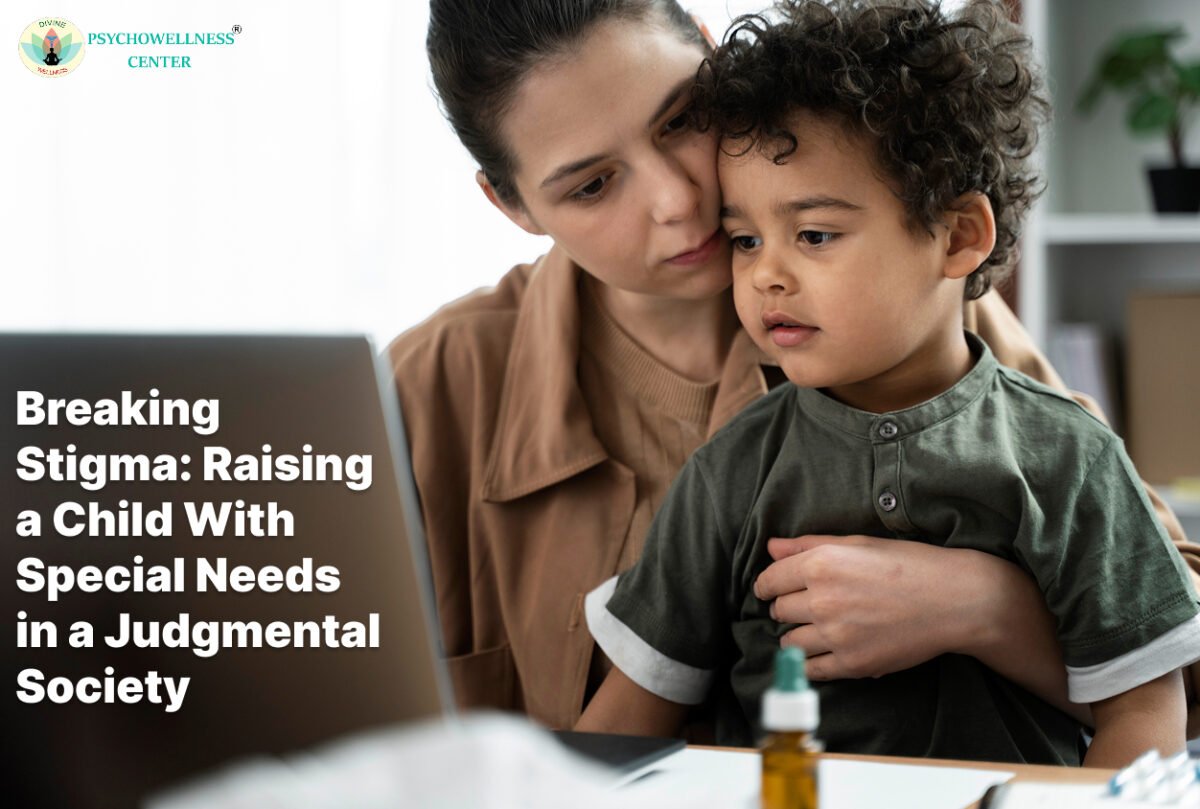
Raising a child is never easy, but raising a child with special needs in a judgmental society comes with an entirely different set of challenges, ones that are often misunderstood or ignored. From the outside, people see the visible struggles of parenting a child with behavioral issues or developmental delays. But few recognize the deep emotional, mental, and social battles that families endure daily, battles marked by stress, anxiety, trauma, depression, and sometimes even anger. In a society that often prioritizes “normalcy,” families with special needs children face not just the day-to-day challenges of care but also the crushing weight of social stigma, judgment, and exclusion.
The Heavy Weight of Social Stigma
At the heart of the struggle lies the social stigma attached to disability and special needs. Whether it’s autism, ADHD, Down syndrome, sensory processing disorder, or any other developmental condition, society still views these differences as “problems” instead of accepting them as part of human diversity.
Parents are often subjected to whispers, stares, or unsolicited advice when their child acts out in public. These reactions can be deeply wounding. Instead of empathy, many families encounter judgment, which intensifies feelings of social isolation.
What people don’t see is the emotional toll this stigma takes on families. The fear of being misunderstood or humiliated can make parents withdraw from community events, social gatherings, or even school meetings. Over time, this isolation chips away at mental health, leaving many parents struggling with depression, anxiety, and chronic stress.
The Emotional Cost on Parents and Caregivers
Parenting a child with special needs demands an extraordinary amount of patience, resilience, and emotional energy. But even the most dedicated parents can find themselves on the brink of burnout. The constant worry over a child’s development, behavior, and future can create high levels of stress that rarely let up. Sleep deprivation, financial pressure, navigating healthcare and therapy appointments, dealing with insurance, and fighting for appropriate educational accommodations are just a few aspects of what parents must manage. Add in daily meltdowns, aggression, or sensory overloads, and it becomes a 24/7 emotional marathon.
Many parents experience anxiety so intense it borders on panic. They live in fear of what new challenges tomorrow may bring, another IEP meeting, another incident at school, another judgmental comment from a stranger. Some develop symptoms of trauma, especially if they have had repeated encounters with unsupportive systems or have witnessed their child being mistreated or misunderstood.
When left unaddressed, these emotions can spiral into depression. Some parents begin to feel hopeless, lost, or even resentful, not of their child, but of a society that makes everything so much harder than it needs to be. In some cases, the unrelenting pressure and lack of support can lead to anger, sometimes directed inward, sometimes toward systems, schools, or even partners.
Family Problems and Relationship Strain
The emotional burden of raising a child with special needs not only affect the individual parent, it often affects the entire family. Marital relationships may suffer under the weight of constant caregiving and financial strain. Parents may argue more frequently about discipline, therapy choices, or future plans.
Siblings may feel neglected or confused, especially if they don’t fully understand why their brother or sister gets more attention or behaves differently. This can lead to family problems such as resentment, jealousy, or communication breakdowns.
Moreover, extended family members may not always be supportive or understanding. Grandparents, aunts, or uncles may inadvertently contribute to parenting stress by minimizing the child’s needs or offering outdated advice. When the immediate support system becomes a source of tension, the emotional isolation becomes even more pronounced.
Behavioral Issues and the Misunderstanding of Neurodivergence
One of the most visible struggles for parents is dealing with behavioral issues, not because of the behaviors themselves, but because of how society perceives them. A child with autism might scream in a grocery store due to sensory overload. A child with ADHD may struggle to sit still or follow instructions in a classroom. Instead of understanding these actions as symptoms of a neurological condition, many people see them as “bad behavior” or signs of “bad parenting.”
This misunderstanding doesn’t just hurt the parents, it deeply affects the child, who may already be aware that they are “different.” Children with special needs are often the target of bullying or harassment, both from peers and, heartbreakingly, sometimes from adults who don’t know how to support them. These experiences can have long-lasting psychological effects, including low self-esteem, social withdrawal, and even suicidal thoughts.
The Role of Schools and Communities
Schools should be a safe haven for all children, but for many special needs families, they become battlegrounds. Parents are often forced to fight for accommodations, therapies, or inclusive practices. When schools fail to provide support, or worse, punish children for behaviors rooted in their disability, the trauma multiplies.
Teachers and school staff need better training and awareness around neurodiversity and inclusive education. When handled with empathy and understanding, a school can become a powerful support system for both child and family. But when handled poorly, it can become a source of long-term trauma for everyone involved.
Communities also need to do better. From accessible playgrounds to support groups to understanding neighbors, there is so much more society can do to create an inclusive, empathetic environment where families with special needs feel safe, supported, and welcomed.
How to Break the Stigma
Breaking the stigma around raising a child with special needs begins with education, empathy, and advocacy.
- Start the Conversation: Parents and caregivers can begin to change perceptions by openly sharing their experiences. Blogs, social media, and support groups, these platforms help others understand the real emotional and social cost of stigma.
- Seek Support: No one should have to go through this alone. Whether through counseling, support groups, or therapy, parents need to take care of their mental health. Addressing stress, anxiety, and depression isn’t a sign of weakness; it’s a step toward healing.
- Educate Others: Teachers, family members, neighbors, and friends need to be part of the solution. Encourage open dialogue, provide resources, and advocate for inclusive education and social practices.
- Promote Empathy in Children: Teaching neurotypical children about diversity, empathy, and kindness can reduce bullying and harassment in schools and communities.
- Advocate for Change: Laws and systems need to be more inclusive, better funded, and less bureaucratic. Parents can be powerful advocates for policy changes that support special needs education, mental health services, and family care resources.
Conclusion
Raising a child with special needs in a judgmental society is not just about managing a condition, it’s about surviving a world that wasn’t built with your child in mind. It is a journey of immense love, but also immense emotional labor. It’s filled with beautiful moments of progress, deep connection, and hard-won victories, but also with stress, anxiety, depression, and sometimes anger.
We must build a world where no parent feels ashamed, no child feels excluded, and no family feels alone. Breaking the stigma starts with compassion, continues with conversation, and ends only when all children, regardless of their needs, are celebrated, supported, and truly included.
For parents navigating the emotional weight of stigma, stress, and isolation, seeking support is not just helpful, it is transformative. Professional guidance can provide a safe space to process overwhelm, rebuild emotional resilience, and learn strategies tailored to your child’s unique needs. Centers like Psychowellness Center (011-47039812 / 7827208707) offer specialized counseling for parents, siblings, and families of children with neurodivergence, helping them manage burnout, anxiety, and the emotional toll of caregiving. For those who prefer flexibility and privacy, TalktoAngel provides accessible online therapy with trained child psychologists and family counselors who understand the challenges of raising a special needs child in a judgmental society. With the right support system, parents can feel understood, empowered, and better equipped to advocate for their child, proving that no family should have to walk this difficult journey alone.
Contribution: Dr. R.K. Suri, Clinical Psychologist, and Ms. Drishti Rajore, Counselling Psychologist
Reference
- Examines how child behavioral/emotional problems and internalized stigma mediate caregiver stress and depressive symptoms. BioMed Central
- Studies internalized stigma, depression, and anxiety in mothers of children with ASD, and how stigma correlates with poorer quality of life. PubMed
- A review showing consistent evidence that stigma is associated with caregiver depression, anxiety, psychological distress, and reduced wellbeing. SpringerLink
- A qualitative study exploring how stigmatization leads to burnout, loneliness, exclusion, and mental health strain among parents. PubMed