
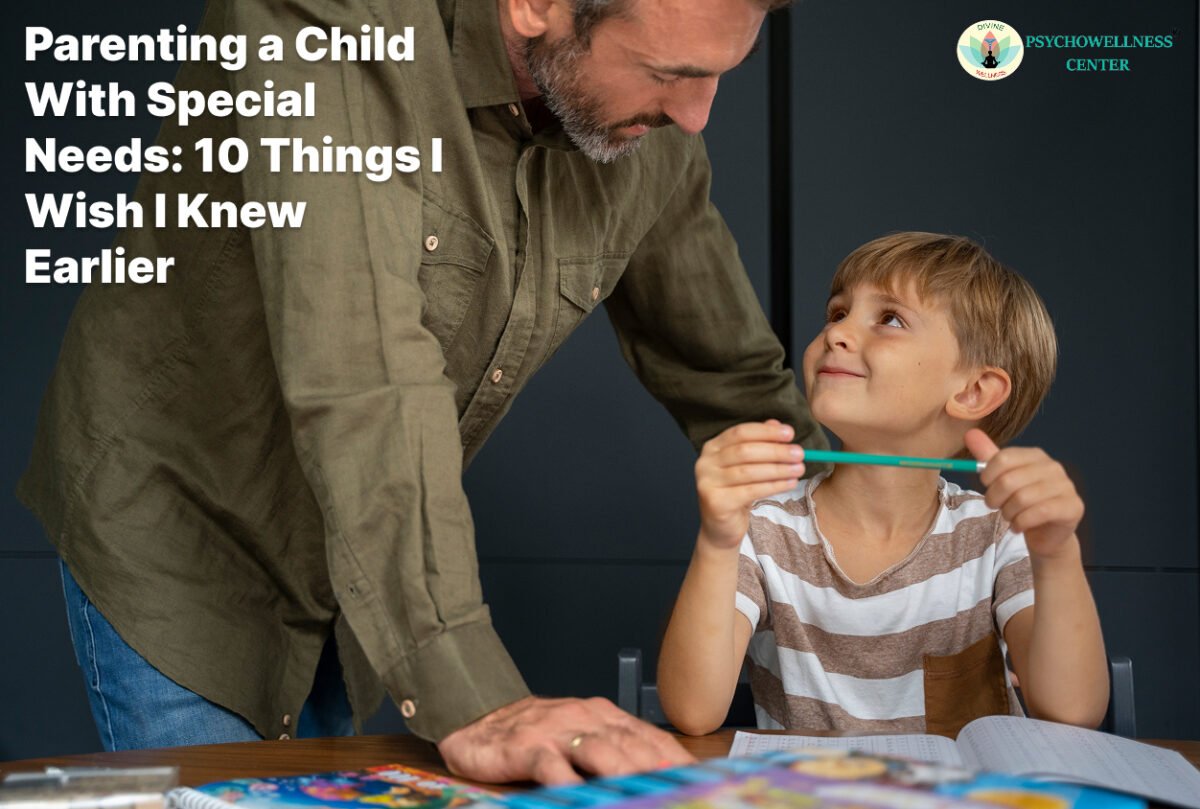
Parenting is never easy. But when you’re raising a child with special needs, whether it’s a developmental delay, communication disorder, or physical disability, the journey becomes even more complex. You’re not just a parent anymore; you become an advocate, therapist, educator, and emotional anchor all at once. In retrospect, I wish I had known a lot more things sooner. If you’re just beginning this path or struggling along the way, here are 10 lessons that could help lighten your load.
1. It’s Okay to Grieve the Life You Imagined
When I first received my child’s diagnosis, a mix of delayed speech and developmental delays, I felt an overwhelming wave of sadness, guilt, and confusion. No one told me it was okay to grieve the life I had envisioned. You still love your child despite your pain. It means you’re processing a change. Understanding this earlier would have helped me accept our new reality without the added guilt.
2. Stress Is Real and Chronic; You Must Address It
Parenting a child with special needs brings a level of stress that’s hard to explain unless you’ve lived it. Between therapy appointments, IEP meetings, and managing meltdowns, the pressure becomes relentless. I wish I had known earlier that this constant stress can take a toll on your mental health, leading to anxiety, depression, and even trauma. Seeking support, therapy, or respite care isn’t selfish; it’s necessary.
3. Your Child’s Diagnosis Isn’t a Reflection of Your Parenting
For the longest time, I blamed myself for my child’s communication disorder and delayed speech. “Did I talk to them enough? Did I miss something during pregnancy?” But developmental disorders often have factors outside your control. It took years to accept that I wasn’t a “bad parent”, I was just parenting in a uniquely challenging situation.
4. Early Intervention Makes a Difference
Had I known how crucial early intervention was, I would have acted much sooner. Whether it’s speech therapy, occupational therapy, or behavioral support, starting early can make a significant difference in your child’s development. Don’t wait for a formal diagnosis if you suspect something is off, trust your instincts and seek help.
5. Social Isolation Is Common, but Not Inevitable
One of the most painful experiences is the social isolation that often comes with raising a child who doesn’t “fit in.” Friends fade away, family may not understand, and public outings become stressful. I wish I had sought out support groups and online communities sooner. Finding other parents on similar journeys can ease loneliness and offer a safe space to vent, share, and connect.
6. Siblings Need Support, Too
In the chaos of therapies and medical appointments, I overlooked how much this was affecting my other children. Siblings of children with special needs often feel neglected, confused, or overwhelmed. They may also develop low self-esteem from constantly playing the role of “helper” or being exposed to intense family stress. Regular check-ins, one-on-one time, and professional counseling (if needed) can make a big difference.
7. Bullying Can Start Earlier Than You Think
I wasn’t prepared for the cruelty of other kids, or the silence of adults who ignored it. Children with communication disorders, learning delays, or physical differences are more likely to face bullying. I wish I had taught my child earlier about self-advocacy and resilience, and I wish I had pushed schools harder to implement inclusion and anti-bullying policies.
8. It Will Affect Your Career, Plan for It
Many parents of children with special needs face career issues. One parent may need to go part-time, change careers, or stop working altogether to meet caregiving demands. This shift can bring financial strain and a loss of personal identity. If I had known earlier, I would’ve created a more flexible career plan, explored work-from-home options, and spoken to HR about accommodations.
9. Your Mental Health Is Just As Important
There were days when I felt numb. Days I couldn’t get out of bed. The depression, the constant self-doubt, the low motivation, it all became too much. But I kept pushing through, thinking it was “just part of the job.” If I had prioritized my own mental health from the beginning, through therapy, medication, or even just self-care, I would have been a better parent and partner. It is essential for survival to take care of oneself.
10. Progress Looks Different, And That’s Okay
One of the hardest lessons was letting go of comparisons. Other kids were learning to read while mine was still struggling to form sentences. It’s easy to feel discouraged. However, I’ve discovered that any accomplishment, no matter how minor, should be celebrated. Every new word, every successful day at school, every meltdown that didn’t happen is a victory. Parenting a child with special needs means redefining what success looks like, and appreciating every step forward.
Conclusion:
Behind every diagnosis is a family navigating a world they never expected. There are real family problems that arise, strained relationships, differing opinions on care, financial difficulties. But you’re not alone. Millions of families are walking this path, quietly doing their best, one day at a time.
So, if you’re new to this journey or still figuring things out, know this: You are doing enough. Your love, your advocacy, your effort, it all matters. And while the road may be filled with unique challenges, it also brings unexpected joys, deep empathy, and a strength you never knew you had.
For parents who feel overwhelmed or unsure where to turn, professional support can make this journey lighter and more manageable. The Psychowellness Center in Dwarka Sector-17 and Janakpuri offers specialised services for families of children with special needs, including parent counseling, behavior therapy, developmental assessments, speech and occupational therapy, and emotional support for siblings. Their compassionate team helps families understand diagnoses, build practical strategies, and strengthen the emotional well-being of both parent and child. You can connect with them directly at 011-47039812 / 7827208707. For those who need flexible, at-home support, online counselling through TalktoAngel provides access to experienced child psychologists, parenting specialists, and therapists who understand the unique challenges of raising a neurodivergent child. Whether online or offline, the right guidance can help you navigate this path with confidence, clarity, and renewed hope.
Contribution: Dr. R.K. Suri, Clinical Psychologist, and Ms. Drishti Rajore, Counselling Psychologist
Reference
This study explores how coping skills in parents of children with special needs are associated with depressive symptoms. PubMed
A survey showing links between parent mental health (anxiety, depression) and family burden, especially during crisis times. PMC
An analysis of how children with special health care needs are more likely to be victims of bullying. PubMed
Qualitative insights about how parents and teachers perceive bullying of children with disabilities, including emotional effects. PubMed
https://www.psychowellnesscenter.com/Blog/best-special-educator-in-janakpuri-delhi/
https://www.psychowellnesscenter.com/service-child-adolescent/
https://www.psychowellnesscenter.com/Blog/parental-guide-for-children-with-adhd/
https://www.psychowellnesscenter.com/Blog/best-special-educator-in-uttam-nagar-delhi/
https://www.psychowellnesscenter.com/Blog/thriving-through-highs-and-lows-of-parenting/
https://www.psychowellnesscenter.com/Blog/best-special-educator-in-delhi-cantt/
https://www.psychowellnesscenter.com/Blog/mastering-the-art-of-connecting-with-your-autistic-child/
https://www.psychowellnesscenter.com/Blog/refining-the-parents-role-in-the-early-years/