
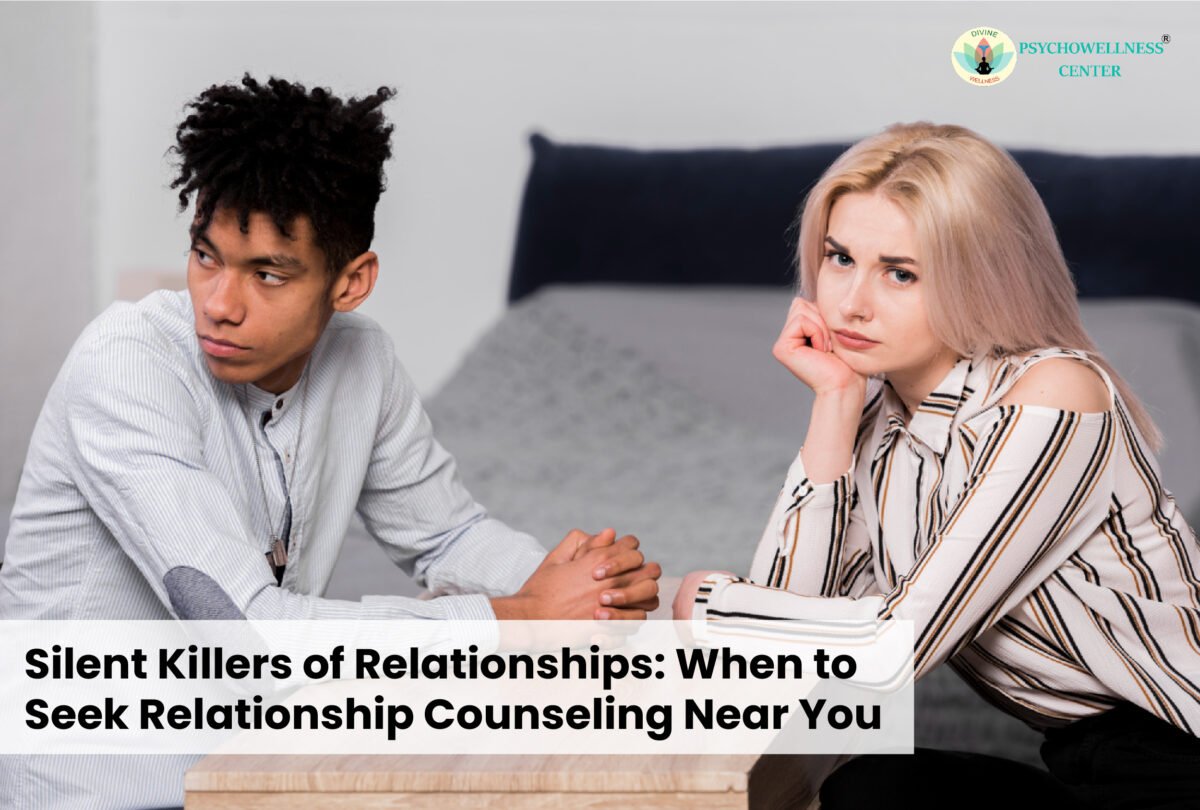
In the bustling urban environments of modern India, romantic partnerships are increasingly vulnerable to “silent killers” subtle psychological patterns that erode intimacy long before a crisis becomes visible. While many believe that only major conflicts require intervention, the most profound damage often occurs through relationship neglect and emotional drift. Understanding these underlying factors is essential for maintaining a healthy, “locked-in” connection that supports both partners’ mental health and professional success.
The Digital Erosion of Intimacy
The modern landscape of constant connectivity paradoxically creates a sense of isolation within many homes.
- Attention Fragmentation: Constant notifications and the urge to check work emails during personal time encourage partners to switch focus rapidly, preventing the deep, sustained attention required for emotional bonding.
- The “Dopamine Trap”: Excessive screen time can “hijack” the brain’s reward system, leading individuals to seek instant gratification from digital sources rather than the slow-burn fulfillment of a long-term partnership.
- Workplace Stress Spillover: When professional demands are not managed with clear boundaries, Workplace Stress often bleeds into the home, manifesting as irritability or reduced motivation to connect.
The Neuroscience of Emotional Distance
From a neuroscience perspective, a healthy relationship functions as a co-regulatory system. When this breaks down, the brain’s “social evaluative threat” system takes over.
- Prefrontal Cortex and Empathy: This region helps individuals filter distractions and prioritize their partner’s needs. However, high levels of anxiety or chronic stress create “cognitive noise” that impairs this function.
- Cortisol and Conflict: Repeated periods of unresolved tension strengthen neural pathways associated with defensiveness, making it harder to enter a “harmonious state” of engagement.
- Reward System Compromise: In cases of chronic unhappiness or depression, the brain may stop releasing the dopamine associated with partnership, leading to a state of emotional “white-knuckling”.
Recognizing the Silent Barriers
Many couples struggle with deep-seated psychological barriers that act as double-edged swords.
- Perfectionism: The fear of being a “flawed” partner can lead to Procrastination in addressing issues or complete mental blocks during difficult conversations.
- Avoidance Cycles: Individuals dealing with trauma or OCD may develop survival loops that actively avoid the vulnerability required for true intimacy.
- Parenting Stress: The transition to parenthood often shifts focus entirely toward a child, leaving the primary relationship in a state of burnout.
Strategies for Reclaiming Your Connection
Developing the ability to “lock in” to your partner requires intentional behavioral strategies and a commitment to self-improvement.
- Setting Boundaries: Establish clear “tech-free” zones to mitigate social media addiction and ensure quality time.
- Mindfulness:Practicing mindfulness therapytechniques can strengthen the “attention muscle,” allowing you to remain present during conversations without your mind shifting toward external pressures.
- Behavioral Activation: Implementing small, consistent acts of kindness helps build momentum and replaces negative thought cycles with constructive ones.
When to Seek Professional Guidance
True cognitive and emotional excellence should not come at the cost of your primary bond. When the internal noise of anxiety, resentment, or persistent distractions makes “locking in” to your partner feel impossible, it is often a sign that the relationship needs recalibration. Clinical support through Marriage Counselling or Couple Counselling provides a structured pathway to identify underlying causes and develop practical coping techniques.
If you are looking for Relationship Counseling near me to resolve home-front stressors, seeking support from a specialized Relationship counsellor can be a transformative step. Psychowellness Center, with clinics in Janakpuri and Dwarka Sector-17, New Delhi, offers evidence-based interventions like CBT (Cognitive Behavioral Therapy) and EFT (Emotionally Focused Therapy) tailored to strengthening bonds. Their team of experienced clinical and counseling psychologists can be reached at 011-47039812/7827208707 for personalized care.
Conclusion
Relationships rarely deteriorate because of one dramatic event. More often, they are weakened by subtle patterns such as emotional disengagement, chronic stress, excessive digital distractions, avoidance of difficult conversations, and unresolved psychological concerns. These silent killers gradually create distance between partners, making it harder to maintain trust, intimacy, and emotional security. Recognizing these warning signs early and taking proactive steps to address them can prevent long-term damage and strengthen the foundation of a relationship.
Seeking professional support is not a sign of failure; rather, it reflects a commitment to growth and mutual understanding. Through evidence-based approaches such as Cognitive Behavioral Therapy (CBT) and Emotionally Focused Therapy (EFT), couples can learn healthier communication patterns, improve emotional regulation, and rebuild connection. Psychowellness Center offers specialized relationship counseling services through experienced psychologists in Janakpuri and Dwarka, New Delhi, helping couples navigate challenges and foster healthier relationships. Additionally, TalktoAngel provides accessible online counseling services, enabling individuals and couples across India to receive professional guidance from the comfort of their homes. By investing in emotional well-being and relationship health, couples can create stronger, more resilient partnerships that thrive despite life’s challenges.
Contributions: Dr. R.K. Suri, Clinical Psychologist, and Ms. Tanu Sangwan, Counselling Psychologist
References
https://www.psychowellnesscenter.com/service-relationship-issues-counselling-delhi/
https://www.psychowellnesscenter.com/Blog/best-marriage-counsellor-in-dwarka-sector-17-dwarka-delhi/
https://www.psychowellnesscenter.com/Blog/best-marriage-counsellor-in-dwarka-sector-18-dwarka-delhi/
American Psychological Association. (2023). Stress in America 2023: A nation recovering from collective trauma. American Psychological Association. https://www.apa.org
Gottman, J. M., & Silver, N. (2015). The seven principles for making marriage work (Revised ed.). Harmony Books.
Johnson, S. M. (2019). Attachment theory in practice: Emotionally focused therapy (EFT) with individuals, couples, and families. Guilford Press.
Kabat-Zinn, J. (2018). Mindfulness for beginners: Reclaiming the present moment—and your life. Sounds True.
Lebow, J. L., Chambers, A. L., Christensen, A., & Johnson, S. M. (2012). Research on the treatment of couple distress. Journal of Marital and Family Therapy, 38(1), 145–168. https://doi.org/10.1111/j.1752-0606.2011.00249.x