
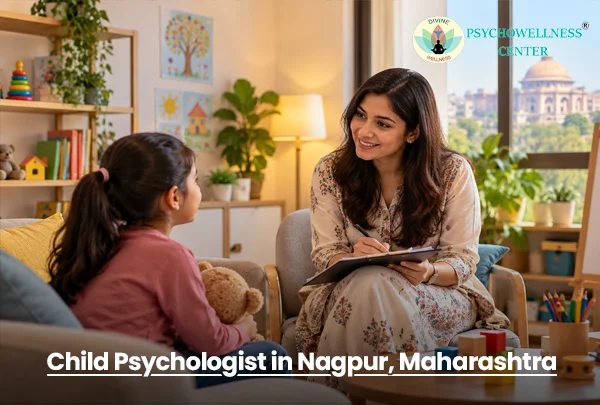
Children may experience emotional, behavioural, academic, or social challenges as they grow. Consulting a child psychologist can help parents understand these concerns and support healthy emotional development. In Nagpur, Maharashtra, professional guidance can help children improve communication, build confidence, and develop healthy coping skills.
Why Is Emotional Well-Being Important During Childhood?
Childhood is crucial for emotional, social, and cognitive development. Home, school, and influence from social circles shape children’s behaviour and self-esteem. Emotional difficulties may affect learning, sleep, and relationships. Early psychological support helps children express their feelings and enables parents to respond with understanding and care.
When Should Parents Consider Professional Support?
Every child develops at a different pace, and occasional emotional or behavioural changes are common. However, concerns that persist, become more intense, or interfere with daily activities may benefit from professional assessment.
Emotional and Behavioural Concerns
Children may experience emotional worry difficulties when they feel overwhelmed by schoolwork, examinations, friendships, family changes, or unfamiliar situations. Persistent fear, repeated reassurance-seeking, avoidance, or excessive worrying may indicate that additional guidance could be helpful.
Frequent outbursts, impulsive reactions, and difficulty communicating feelings may also affect relationships at home and school. Managing feelings effectively involves learning to recognise emotions, understand triggers, and choose appropriate ways to express distress. Psychological sessions can help children practise these skills through conversations, activities, and age-appropriate therapeutic approaches.
Developmental and Learning-Related Difficulties
Some children experience challenges with attention, communication, social interaction, learning, or adapting to changes in routine. These difficulties may require a comprehensive assessment to understand the child’s individual strengths and support needs.
For children who may benefit from Autism spectrum support, a qualified professional can help families understand developmental characteristics, explore suitable interventions, and identify practical strategies for home and school. An assessment should consider the child’s developmental history, behaviour across different settings, and individual needs rather than relying on a single observation.
Social and Academic Challenges
Difficulties making friends, fear of classroom participation, bullying, academic pressure, and changes in school performance can affect a child’s confidence. Children may become reluctant to participate in activities or may struggle to explain why certain situations feel uncomfortable.
Guidance from Professional psychologists can help identify underlying concerns and encourage healthy communication, problem-solving, and social skills.
How Can Psychological Support Help Children?
Psychological support is tailored to a child’s age, developmental stage, communication style, and specific concerns. Depending on the assessment, a professional may use play-based activities, structured conversations, behavioural strategies, parent guidance, or other appropriate approaches.
Some potential areas of support include:
- Emotional awareness: Helping children identify feelings and communicate their needs.
- Behavioural development: Understanding triggers and encouraging more constructive responses.
- Social skills: Practising communication, cooperation, and conflict resolution.
- Academic adjustment: Addressing difficulties with concentration, performance pressure, or school transitions.
- Family communication: Helping caregivers respond consistently and sensitively to a child’s needs.
- Self-confidence: Encouraging children to recognise their strengths and approach challenges gradually.
The purpose of counselling is not to label a child as difficult or problematic. Instead, it aims to understand what the child may be communicating through emotions or behaviour and develop strategies that support healthy development.
How Can Parents Support Their Child at Home?
Parents and caregivers can reinforce the skills children learn during professional sessions. A calm, supportive home environment can make it easier for children to share concerns and seek help when needed.
Encourage Open Communication
Give children opportunities to discuss their experiences without fear of criticism. Listening patiently, asking open-ended questions, and acknowledging their feelings can help them feel understood. Rather than immediately offering solutions, parents can first ask what happened and what kind of support the child needs.
Maintain Consistent Routines
Regular sleep schedules, balanced meals, playtime, and predictable family routines can provide children with a sense of stability. Consistency is particularly useful during periods of transition, such as changing schools or adjusting to new family circumstances.
Introduce Age-Appropriate Calming Activities
Drawing, storytelling, outdoor play, breathing exercises, and quiet activities can help children slow down and communicate their experiences. Practising mindful awareness techniques through simple breathing or noticing sounds and sensations may also encourage children to pay attention to the present moment without judging their feelings.
These activities should remain flexible and enjoyable rather than becoming another task that children feel pressured to complete.
Work Together With Teachers
Teachers may notice changes in concentration, peer relationships, classroom participation, or academic performance that are less visible at home. When appropriate, communication between parents and teachers can help identify patterns and provide consistent support across settings while respecting the child’s privacy.
How to Choose the Right Professional in Nagpur
Choosing a suitable professional involves considering the child’s concerns, the practitioner’s qualifications, and the family’s comfort with the assessment and counselling process.
Parents searching for a child psychologist near me should look for a qualified practitioner with relevant experience in child and adolescent mental health. It is helpful to ask about assessment methods, therapeutic approaches, parental involvement, confidentiality, and how progress will be reviewed.
A good professional takes time to understand the child’s developmental history and family context. They explain the process clearly, use age-appropriate communication, and involve caregivers when appropriate. Parents should also feel comfortable asking questions and discussing any concerns about the proposed plan.
For families who cannot easily travel or prefer receiving support from home, online counselling sessions with Psychowellness Center may provide a convenient way to access psychological guidance. The child’s age, needs, privacy, and the professional’s evaluation determine if online sessions are appropriate. Certain issues might need to be evaluated in person or coordinated with other medical specialists.
10 Experienced Counsellors Worth Knowing
- Dr R.K. Suri – A senior clinical psychologist and psychotherapist with over 40 years of experience, Dr. Suri works with children, adolescents, and adults. His areas of expertise include cognitive behavioural therapy (CBT), hypnotherapy, psychoanalysis, psychological assessment, and career guidance.
- Mrs Kala Sengupta – She provides psychological support to individuals experiencing emotional and personal challenges, helping them explore concerns and develop constructive coping strategies.
- Mr Utkarsh Yadav – His therapeutic approach draws on cognitive behavioural therapy, Gestalt therapy, and person-centred principles to help individuals understand their experiences and develop healthier responses.
- Mrs Sheetal Chauhan – Counselling for emotional discomfort, lifestyle-related stress, and adjustment issues is provided by Mrs Sheetal Chauhan. She specialises in improving coping strategies, enhancing emotional balance, and helping individuals manage everyday psychological issues with practical and caring counselling.
- Mr Kamal Agarwal – He is among the professionals associated with psychological support services, helping individuals explore their concerns and consider appropriate ways to address them.
- Mrs Molly George – With more than 30 years of experience, Mrs George brings extensive professional experience to psychological support and counselling for individuals navigating personal and emotional difficulties.
- Mrs. Chanchal Agarwal – Six years of expertise as a counselling psychologist helping kids with emotional and behavioural issues.
- Mrs Siva Tharini – She works in the mental health support field, helping individuals reflect on their experiences and explore constructive coping strategies.
- Dr. Sakshi Kochhar: Dr. Kochhar has worked with teenagers and young adults for more than 12 years. Her professional background includes psychotherapy and cognitive behavioural therapy, supporting individuals through emotional and developmental concerns.
- Mr Harpreet Singh – Four years of experience working with children and teenagers as a counselling psychologist.
Supporting Confidence, Independence, and Everyday Development
Children gradually develop independence when they have opportunities to make age-appropriate choices, learn from mistakes, and receive encouragement for their efforts. Parents can support planning meaningful future targets by helping children break larger tasks into smaller, realistic steps. This may include preparing for a school assignment, learning a new skill, or practising a daily responsibility.
When children face setbacks, caregivers can focus on effort and learning instead of expecting perfection. Encouraging breaks, healthy routines, and constructive problem-solving can support handling daily pressures without making children feel that they must manage every difficulty alone.
It is equally important to recognise that progress may happen gradually. Some children may communicate more openly before their behaviour changes, while others may first show improvements in sleep, participation, or relationships. Regular communication with the professional can help families understand progress and adjust strategies when necessary.
Psychological Support Through Psychowellness Center
Psychowellness Center offers psychological services for children, adolescents, and families who need guidance with emotional, behavioural, developmental, and interpersonal concerns. The approach focuses on understanding individual needs and identifying appropriate ways to support well-being.
Families can discuss their concerns, learn about the available options, and explore whether counselling or further assessment may be suitable. The procedure should be kind, supportive, and developmentally appropriate for kids.
A child counsellor can help children and caregivers work towards healthier communication, emotional understanding, and practical coping skills. When concerns are persistent or interfere with everyday functioning, seeking professional guidance can be a constructive step towards helping a child feel supported.
Conclusion
Supporting a child’s emotional well-being helps build confidence, resilience, and healthy relationships. Parents can better understand their child’s needs and find appropriate solutions by identifying concerns early on and speaking with a licensed child psychologist. Families in Nagpur can explore online counselling sessions with Psychowellness Center to access professional guidance from home, helping children develop healthier coping skills and navigate everyday challenges.
Frequently Asked Questions
At what age can a child benefit from psychological support?
Children may benefit from support at different ages, depending on their developmental stage and concerns. Early childhood, school age, and adolescence each bring distinct emotional and social challenges. A professional can recommend an appropriate approach based on the child’s needs.
What happens during a child’s first counselling session?
The first session may involve discussing the child’s concerns, developmental history, family environment, and everyday functioning. Depending on the child’s age and needs, the professional may speak with caregivers, interact with the child, or recommend further assessment.
Can parents participate in their child’s counselling?
Yes. Parent involvement can be helpful, particularly for younger children. The professional may provide guidance on communication, routines, behaviour, and ways to reinforce skills at home. The level of involvement depends on the child’s age, concerns, and treatment plan.
Are online counselling sessions suitable for children in Nagpur?
Online sessions may be appropriate for some children when privacy, technology, age, and the nature of the concern allow meaningful participation. The professional can assess whether online support is suitable or whether in-person evaluation would be more appropriate.
References
- https://www.psychowellnesscenter.com/Blog/effective-strategies-for-managing-autism-symptoms-in-children/
- https://www.psychowellnesscenter.com/Blog/adhd-in-children-symptoms-and-support-strategies-from-adhd-doctors-near-me/
- https://www.psychowellnesscenter.com/Blog/child-counselling-in-delhi-common-school-related-stressors/
- https://www.psychowellnesscenter.com/Blog/stress-anxiety-and-urine-leakage-in-kids/
- How to Handle Temper Tantrums in Children?
- American Academy of Child and Adolescent Psychiatry. (n.d.). Facts for families. https://www.aacap.org/AACAP/Families_and_Youth/Facts_for_Families/FFF-Guide/FFF-Guide-Home.aspx
- American Psychological Association. (n.d.). Parenting. https://www.apa.org/topics/parenting
- Centers for Disease Control and Prevention. (n.d.). Child development. https://www.cdc.gov/child-development/
- National Institute of Mental Health. (n.d.). Children and mental health. https://www.nimh.nih.gov/health/publications/children-and-mental-health