
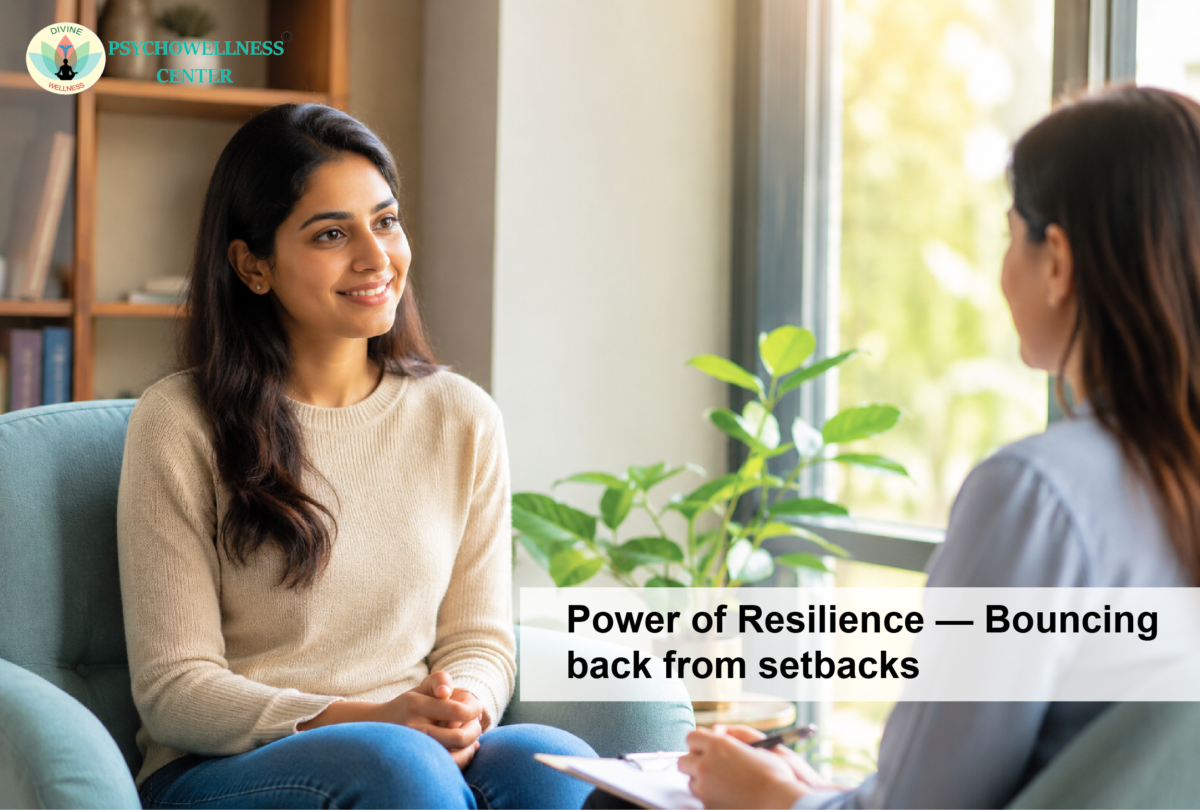
There are many unknowns, difficulties, and unforeseen setbacks in life. Whether it involves personal struggles, career disappointments, academic pressure, health concerns, or emotional losses, difficult experiences are an inevitable part of human life. While some individuals feel overwhelmed by adversity, others gradually recover and adapt despite emotional pain and disruption. This ability to recover, adjust, and move forward is known as resilience.
Resilience does not mean avoiding emotional pain or pretending difficulties do not exist. Instead, it refers to the psychological strength that helps individuals cope with challenges, learn from setbacks, and continue functioning despite adversity. Developing resilience is essential for emotional well-being, healthy relationships, and long-term mental health.
Understanding Resilience
Resilience is often misunderstood as being emotionally “strong” all the time. In reality, resilient individuals also experience disappointment, fear, frustration, and emotional distress. The difference lies in how they process and respond to these experiences.
People with resilience are generally more adaptable during stressful situations. They are able to acknowledge emotional difficulties while continuing to take small steps toward recovery and growth.
Setbacks such as job loss, academic failure, interpersonal conflict, or emotional rejection can temporarily reduce energy levels and create feelings of low motivation. However, resilience allows individuals to regain emotional balance over time and rebuild confidence gradually.
How Setbacks Affect Mental Health
Difficult experiences can affect emotional well-being in multiple ways. During periods of emotional struggle, individuals may experience heightened stress, self-doubt, emotional exhaustion, or uncertainty about the future.
Persistent emotional pressure may also lead to chronic stress, affecting concentration, sleep, productivity, and physical health. When challenges remain unresolved for long periods, emotional fatigue can become overwhelming.
Some individuals may begin blaming themselves for setbacks, leading to feelings of guilt or shame. Others may experience emotional withdrawal, reduced self-esteem, or hopelessness, particularly when setbacks repeatedly affect important areas of life.
In severe situations, prolonged emotional distress may contribute to symptoms of depression, making it difficult to maintain daily functioning and emotional stability.
The Emotional Impact of Failure and Disappointment
Setbacks often trigger strong emotional reactions because they challenge expectations, personal identity, and future goals. Experiences such as rejection, financial instability, or relationship breakdowns may create feelings of fear and uncertainty.
Repeated disappointments can also increase emotional frustration, especially when efforts do not produce desired outcomes. Over time, this emotional strain may affect self-confidence and motivation.
When people consistently push themselves without getting enough sleep, emotional processing, or support, they can also suffer from emotional tiredness or burnout. Burnout can reduce emotional resilience and increase vulnerability to stress-related difficulties.
Understanding these emotional reactions is important because resilience begins with acknowledging emotions rather than suppressing them.
The Role of Relationships in Resilience
Strong social connections are one of the most important protective factors for emotional well-being. Supportive relationships provide reassurance, validation, and emotional safety during difficult periods.
Individuals who feel emotionally supported are often better able to cope with setbacks and recover more effectively. On the other hand, isolation or unhealthy interpersonal environments can increase emotional distress and reduce coping ability.
Open communication, empathy, and emotional understanding within personal relationships help individuals feel less alone during difficult times. Emotional support from trusted individuals can strengthen resilience and encourage healthier coping behaviours.
The Influence of Lifestyle and Modern Pressures
Modern lifestyles often contribute to emotional overload and reduced resilience. Constant exposure to unrealistic comparisons through social media may negatively affect self-esteem and increase pressure to appear successful or emotionally stable at all times.
Excessive workload, lack of rest, and constant performance pressure can also contribute to emotional exhaustion and mental fatigue. Individuals may feel emotionally drained while still struggling to slow down or seek support.
Experiencing ongoing fatigue can significantly reduce emotional coping capacity, making even small challenges feel overwhelming. Building resilience, therefore, requires attention not only to thoughts and emotions but also to physical and lifestyle factors.
Building Resilience Through Healthy Coping Strategies
Resilience is not an inborn trait that only some people possess. It can be developed gradually through healthy habits, emotional awareness, and supportive coping strategies.
One important aspect of resilience is developing realistic expectations. Accepting that setbacks are a normal part of life reduces self-criticism and encourages healthier emotional responses.
Another key factor is Goal setting. Breaking larger challenges into smaller, manageable steps helps individuals regain a sense of direction and control. Achieving small goals gradually rebuilds motivation and emotional stability.
Developing emotional awareness and problem-solving skills also contributes to resilience. Healthy coping strategies such as mindfulness, journaling, physical activity, and social support can improve emotional regulation and reduce stress.
The Importance of Self-Awareness
Resilience involves understanding personal emotional patterns, triggers, and coping mechanisms. Developing self-awareness provides valuable insight into how thoughts, behaviours, and emotional responses influence well-being.
Individuals who understand their emotional needs are often better able to manage setbacks constructively. Rather than avoiding emotions, they learn to process them more effectively and seek support when necessary.
Self-awareness also helps individuals identify unhealthy coping patterns such as emotional avoidance, excessive self-criticism, or withdrawal from social support.
Professional Support and Therapy
While resilience can be strengthened independently, professional support is often beneficial during periods of significant emotional distress. Therapy provides a structured and supportive environment where individuals can explore emotions, develop coping strategies, and improve emotional resilience.
Many individuals search for a Counselling Center Near me or a Psychologist near me when emotional challenges begin affecting daily functioning and well-being.
Evidence-based approaches such as Cognitive Behavioural Therapy (CBT) are highly effective in helping individuals identify negative thought patterns and replace them with healthier cognitive responses. CBT also supports emotional regulation, stress management, and behavioural change.
Therapy additionally focuses on skill-building, helping individuals strengthen communication, coping, emotional regulation, and problem-solving abilities. Structured therapeutic support improves long-term resilience and emotional flexibility.
Benefits of Counselling During Difficult Times
Seeking professional help is not a sign of weakness; it reflects emotional awareness and willingness to heal. Individuals experiencing overwhelming emotional distress may benefit significantly from counselling support.
Many people search for psychological counselling Near me when they feel emotionally stuck or unable to manage challenges independently. Counselling provides practical guidance and structured emotional support during difficult life transitions.
Some important therapeutic benefits include:
- Improved emotional regulation
- Increased confidence in managing challenges
- Stronger coping strategies
- Better interpersonal communication
- Greater emotional awareness
- Consistent accountability for personal growth
- Access to professional emotional support
These therapeutic interventions help individuals rebuild emotional strength and regain a sense of balance.
Accessing Mental Health Support in Delhi
For individuals living in Delhi, professional mental health support is available through experienced psychologists and counsellors.
Individuals searching for the Best Psychologists in delhi or a qualified counselling psychologist delhi can access personalised therapy services for stress management, emotional resilience, and psychological well-being.
Locations:
- Janakpuri, Delhi
- Dwarka Sector 17, Delhi
Contact Numbers:
📞 011-47039812
📞 7827208707
Early intervention and consistent support can significantly improve emotional resilience and overall quality of life.
Moving Forward After Setbacks
Recovering from setbacks takes time, patience, and self-compassion. Resilience is not about returning to the exact person you were before adversity; it is about adapting, learning, and growing through difficult experiences.
Progress may be gradual, and setbacks may still occur along the way. However, every small effort toward healing and self-improvement contributes to long-term emotional strength.
By practising healthy coping strategies, maintaining supportive relationships, and seeking help when needed, individuals can gradually regain emotional stability and rebuild a meaningful sense of purpose.
Conclusion
Resilience is one of the most valuable psychological strengths individuals can develop. It helps people cope with emotional pain, recover from setbacks, and continue moving forward despite life’s challenges.
While adversity can lead to stress, emotional exhaustion, and self-doubt, resilience allows individuals to rebuild emotional balance, strengthen coping abilities, and develop greater self-awareness. Through supportive relationships, healthy routines, self-reflection, and professional guidance, emotional recovery becomes possible.
Platforms like TalktoAngel provide accessible online mental health support, while Psychowellness Center offers professional in-person counselling services in Delhi. Together, they help individuals build resilience, improve emotional well-being, and navigate life’s challenges with greater confidence and strength.
Contributions: Dr. R.K. Suri, Clinical Psychologist, and Mr. Harshit, Counselling Psychologist
References
https://www.psychowellnesscenter.com/Blog/resilience/
https://www.psychowellnesscenter.com/Blog/transforming-a-setback-into-a-comeback/
American Psychological Association. (2020). Publication manual of the American Psychological Association (7th ed.). APA Publishing.
Beck, J. S. (2011). Cognitive behavior therapy: Basics and beyond (2nd ed.). Guilford Press.
Masten, A. S. (2014). Ordinary magic: Resilience in development. Guilford Press.
Seligman, M. E. P. (2011). Flourish: A visionary new understanding of happiness and well-being. Free Press.
Southwick, S. M., & Charney, D. S. (2018). Resilience: The science of mastering life’s greatest challenges (2nd ed.). Cambridge University Press.