
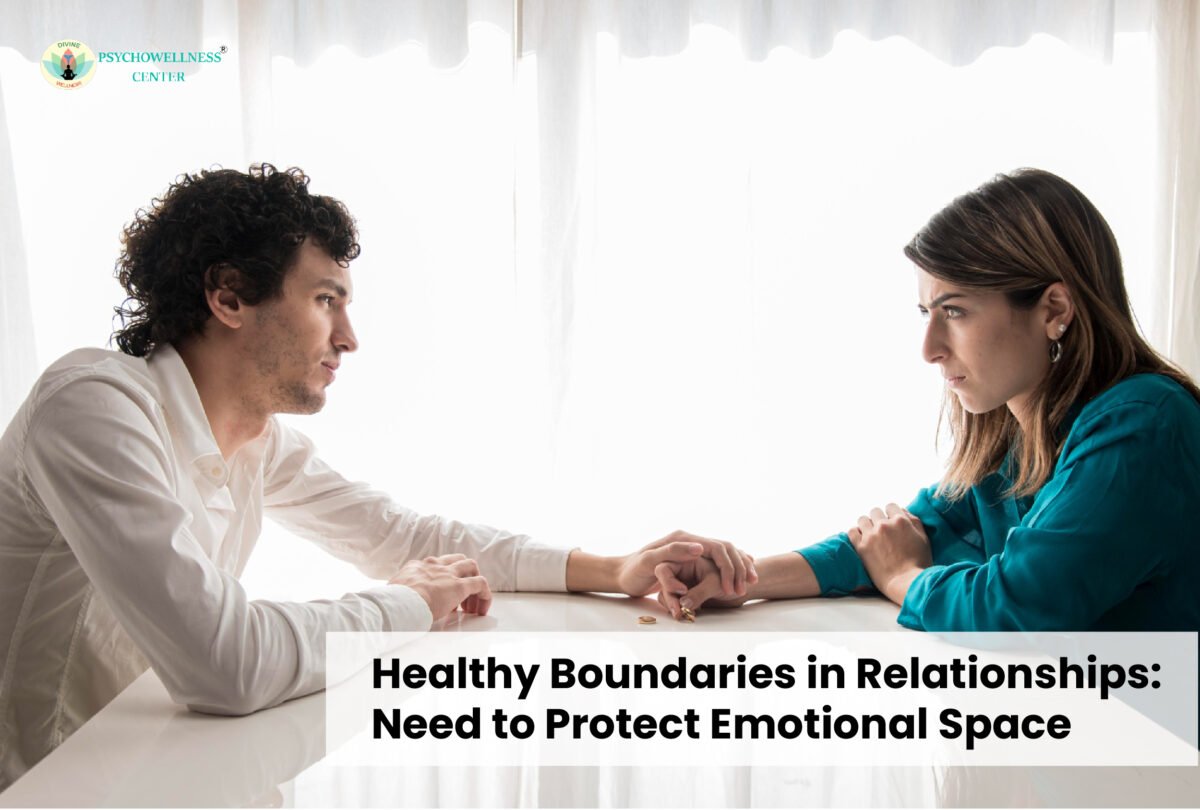
Relationships influence emotional well-being, communication patterns, and personal growth throughout life. Supportive and respectful connections often help individuals feel emotionally secure and understood. However, emotional balance within close relationships can sometimes become difficult to maintain when communication weakens, expectations remain unclear, or emotional needs go unaddressed. Over time, unresolved emotional strain may begin affecting both personal well-being and the quality of interpersonal connections.
Learning to protect emotional space is an important part of maintaining emotional stability and mutual respect. Emotional boundaries allow individuals to express their thoughts, feelings, and needs without fear of guilt, criticism, or emotional pressure. When emotional limits are ignored repeatedly, relationships may gradually become emotionally exhausting and emotionally unhealthy.
Many people experiencing ongoing emotional difficulties within close relationships also struggle with stress, emotional exhaustion, or feelings of emotional imbalance. Seeking support through services such as Couple Counseling near me or Relationship Counseling near me can help individuals understand unhealthy relationship patterns while improving communication and emotional understanding.
Understanding Emotional Boundaries
Emotional boundaries are the limits individuals establish to protect their emotional well-being, values, and personal identity. These boundaries help people recognize where their emotional responsibilities end and another person’s begin. In partnerships, establishing a healthy boundary promotes mutual respect, emotional safety, and clear communication.
Weak emotional boundaries can make people feel emotionally exhausted, overburdened, or accountable for controlling the emotions of others. This may create emotional confusion, resentment, and difficulty maintaining emotional independence. In some situations, individuals may struggle with anxiety, emotional dependency, or difficulty managing interpersonal disagreements effectively.
The purpose of boundaries is not to drive people away. Instead, they help create emotionally balanced relationships where individuals can communicate openly while still protecting their personal emotional needs.
Why Boundaries Matter in Relationships
Stronger interpersonal relationships and emotional well-being depend on having healthy emotional boundaries. Without proper emotional boundaries, individuals may feel emotionally overextended, unheard, or emotionally pressured within relationships.
Poor boundaries can contribute to:
- Emotional exhaustion
- Communication difficulties
- Unresolved resentment
- Emotional dependency
- Reduced emotional confidence
In emotionally unhealthy situations, repeated criticism, manipulation, or emotional abuse may gradually affect psychological well-being. Some individuals begin experiencing symptoms of depression, emotional withdrawal, or feelings of loneliness when their emotional needs remain consistently neglected.
Boundary-related difficulties are particularly common in close relationships involving marriage, emotional dependency, or unresolved family expectations. Without emotional balance, relationships may slowly become emotionally overwhelming rather than emotionally supportive.
Signs of Weak Emotional Boundaries
Many individuals do not realise they struggle with boundaries until emotional strain becomes difficult to manage. Some common signs include:
- Difficulty saying “no”
- Fear of disappointing others
- Constantly prioritising others’ emotional needs
- Feeling emotionally responsible for everyone’s happiness
- Avoiding conflict even when emotionally uncomfortable
- Difficulty expressing emotions openly
Over time, weak boundaries may contribute to repeated couple conflicts, emotional frustration, or unresolved interpersonal tension. Suppressing emotions for long periods may eventually lead to emotional outbursts, unresolved anger, or emotional withdrawal from loved ones.
Some individuals may also experience symptoms linked to panic disorder or generalized anxiety disorder (GAD) when emotional pressure, fear of rejection, or relationship-related uncertainty becomes overwhelming.
Emotional Impact of Unhealthy Relationships
Relationships that lack emotional respect and balance can significantly affect mental health. Emotional confidence and psychological well-being can be progressively diminished by persistent emotional invalidation, criticism, dominating behavior, or emotional instability.
Over time, unhealthy relationship patterns may contribute to:
- Reduced self-esteem
- Emotional exhaustion
- Difficulty trusting others
- Fear of emotional vulnerability
- Increased emotional sensitivity
Previous emotional experiences may also influence boundary difficulties. Individuals who have experienced bullying, difficult childhood environments, or unresolved trauma may struggle to communicate emotional needs confidently in adulthood. Emotional wounds resulting from a painful breakup, unresolved grief and loss, or a significant family problem may continue affecting future relationships if left unaddressed.
Individuals with experiences related to post traumatic stress disorder (PTSD) may also find emotional closeness difficult due to fear, emotional hypervigilance, or difficulty feeling emotionally safe.
Connection Between Boundaries and Mental Well-Being
Protecting emotional space is closely connected to long-term emotional health. Strong boundaries help individuals maintain emotional independence while reducing emotional overwhelm and relationship-related distress.
When emotional boundaries are respected, individuals are more likely to experience:
- Emotional clarity
- Better communication
- Improved emotional resilience
- Stronger self-awareness
- Healthier decision-making
Maintaining emotional limits can also reduce emotional exhaustion linked to burnout, particularly among individuals who continuously prioritize others’ emotional needs over their own.
Unresolved emotional expectations within families can sometimes lead to recurring interpersonal problem patterns or emotional perplexity. Individuals may feel emotionally obligated to satisfy others’ expectations while neglecting their own emotional needs.
Building Healthy Emotional Boundaries
Developing emotional boundaries requires self-awareness, communication, and consistency. Although boundary-setting may initially feel uncomfortable, it gradually becomes easier with emotional understanding and practice.
1. Understand Emotional Needs
People can recognize circumstances that lead to emotional tiredness or emotional imbalance by identifying emotional triggers and emotional distress. The first step to better relationships is self-awareness.
2. Communicate Clearly
Healthy communication allows individuals to express emotional needs respectfully and honestly. Open discussions reduce misunderstandings while improving emotional understanding within relationships.
Developing assertiveness helps individuals communicate personal limits confidently without aggression or guilt.
3. Learn to Prioritize Emotional Well-Being
Many individuals feel guilty for prioritizing their own emotional needs. However, protecting emotional well-being is necessary for maintaining balanced and emotionally healthy relationships.
4. Practice Emotional Awareness
Emotional awareness helps individuals recognize emotional reactions before they become overwhelming. Practices such as mindfulness may support emotional regulation, reduce emotional reactivity, and improve emotional balance during stressful interactions.
5. Set Realistic Expectations
No relationship is perfect. Unrealistic expectations can lead to dissatisfaction, emotional strain, or disappointment. Healthier relationships involve mutual respect, communication, emotional support, and emotional flexibility.
When to Seek Professional Support
Sometimes emotional difficulties within relationships become difficult to manage alone. Repeated communication problems, emotional exhaustion, trust concerns, or unresolved conflicts may require professional support.
Many individuals seek Family Counseling near me when emotional strain begins affecting family communication or overall emotional well-being. Others may consult a relationship counsellor in Delhi to improve communication, emotional understanding, and relationship satisfaction.
Therapeutic approaches such as Cognitive Behavioral Therapy (CBT) can help individuals recognize unhealthy emotional patterns while improving communication, emotional regulation, and coping skills.
Accessing Support in Janakpuri and Dwarka
Professional mental health support is available for individuals and couples seeking guidance for emotional well-being and relationship concerns.
Individuals searching for the best Relationship counsellor in India can access professional counselling services that focus on emotional healing, healthier communication, and interpersonal growth.
Locations:
- Janakpuri, Delhi
- Dwarka Sector 17, Delhi
Contact Numbers:
📞 011-47039812
📞 7827208707
Seeking professional guidance can help individuals strengthen emotional understanding while creating healthier and more respectful relationships.
Rebuilding Emotional Balance in Relationships
Creating healthier boundaries is not about emotional distance or avoiding emotional closeness. Instead, boundaries help individuals protect emotional well-being while strengthening mutual respect and communication.
Small changes in communication, emotional awareness, and emotional understanding can significantly improve relationship quality over time. Emotional boundaries create space for healthier communication, emotional growth, and stronger interpersonal connections.
Conclusion
Respectful relationships, emotional safety, and emotional well-being all depend on having healthy emotional boundaries. Without emotional balance, individuals may experience emotional exhaustion, communication difficulties, and long-term psychological distress. Learning to communicate needs clearly, recognize emotional limits, and protect emotional space can help individuals build healthier and more emotionally fulfilling relationships.
Professional guidance can support this process significantly. Platforms like TalktoAngel provide accessible online counselling services, while Psychowellness Center offers professional in-person psychological support in Delhi. Together, they help individuals and couples improve communication, strengthen emotional resilience, and build healthier relationship patterns that support long-term emotional well-being.
Contributions: Dr. R.K. Suri, Clinical Psychologist, and Mr. Harshit, Counselling Psychologist
References
https://www.psychowellnesscenter.com/Blog/how-to-set-boundaries-without-over-explanation/
https://www.psychowellnesscenter.com/Blog/setting-and-maintaining-corporate-boundaries/
American Psychological Association. Publication manual of the American Psychological Association (7th ed.). American Psychological Association.
Beck, J. S. Cognitive behavior therapy: Basics and beyond (2nd ed.). Guilford Press.
Deci, E. L., & Ryan, R. M. The “what” and “why” of goal pursuits: Human needs and the self-determination of behavior. Psychological Inquiry, 11(4), 227–268.
Linehan, M. M. DBT skills training manual (2nd ed.). Guilford Press.
Neff, K. D. Self-compassion: The proven power of being kind to yourself. William Morrow.
Seligman, M. E. P. Flourish: A visionary new understanding of happiness and well-being. Free Press.