
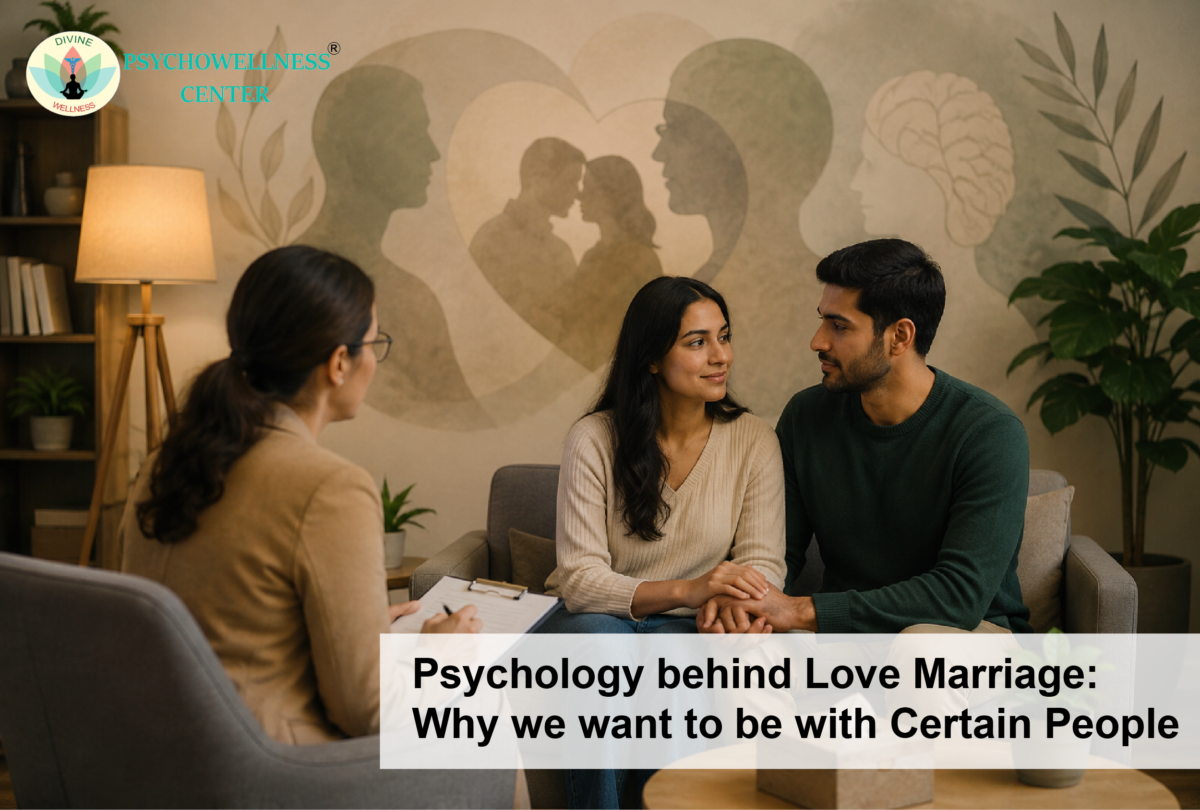
Love is among the most human feelings. Poetry, films, music, lifetime dedication, and occasionally even heartache are all inspired by it. But have you ever wondered why we feel deeply connected to certain people while others simply remain acquaintances? Why do some individuals instantly attract us emotionally, mentally, or romantically?
The psychology behind love marriage is far more complex than “chemistry” or destiny alone. Human attraction and emotional bonding are influenced by personality, childhood experiences, emotional needs, social conditioning, communication styles, and even brain chemistry.
Love marriages often begin with emotional compatibility, personal choice, mutual understanding, and shared values. However, the reasons people fall in love are deeply rooted in psychology.
Let’s explore the fascinating psychological reasons behind why we choose certain partners and how relationships shape our emotional lives.
What Is Love Marriage?
A love marriage refers to a relationship where two individuals choose each other based on emotional connection, attraction, compatibility, and personal understanding before marriage.
Unlike traditional arrangements primarily influenced by family decisions, love marriages are often built on:
- Emotional intimacy
- Personal choice
- Shared experiences
- Romantic attraction
- Mutual understanding
- Compatibility and communication
While every relationship is unique, psychological factors strongly influence whom we feel emotionally connected to.
The Psychology of Attraction
In love relationships, attraction is frequently the initial stage. However, attraction is not purely about physical appearance.
Psychologists suggest people are drawn toward individuals who fulfill emotional, psychological, and social needs.
Psychology Behind Love Marriage: Why We Want to Be with Certain PeoplePeople frequently feel more at ease among people who have similar:
- Values
- Interests
- Beliefs
- Life goals
- Communication styles
Shared experiences create emotional familiarity and understanding, which strengthens the connection.
Emotional Availability
Emotionally supportive individuals naturally create feelings of comfort and trust. People are more likely to form strong romantic bonds with partners who make them feel emotionally safe and valued.
Familiarity
Humans tend to feel attracted to what feels psychologically familiar. Sometimes this familiarity develops from childhood experiences, family dynamics, or past relationships.
Attachment Styles and Romantic Relationships
Attachment theory is one of the most significant psychological ideas pertaining to love.
Attachment styles develop early in life based on childhood emotional experiences and relationships with caregivers. These patterns often influence adult romantic relationships.
The major attachment styles include:
Secure Attachment
People with secure attachment generally:
- Trust others easily
- Communicate openly
- Handle conflicts calmly
- Feel comfortable with emotional intimacy
These relationships are often emotionally healthier and more stable.
Anxious Attachment
Individuals with anxious attachment may:
- Fear abandonment
- Seek constant reassurance
- Overthink relationship problems
- Experience emotional insecurity
This may increase relationship-related anxiety and emotional dependence.
Avoidant Attachment
Emotional intimacy and vulnerability are common problems for those with avoidant attachment.
They could retreat during arguments or steer clear of really emotional discussions.
Understanding attachment patterns helps individuals improve emotional awareness and relationship health.
Why Emotional Connection Matters More Than Perfection
Many individuals think that finding the “perfect” companion is essential to having a happy relationship. In reality, emotional connection matters far more than perfection.
Healthy relationships are built through:
- Trust
- Respect
- Communication
- Emotional support
- Shared growth
- Understanding differences
Couples who communicate openly and manage conflicts respectfully often develop stronger emotional intimacy over time.
Perfect relationships do not exist. Relationships that are emotionally healthy are built on mutual respect, effort, and understanding.
The Role of Brain Chemistry in Love
Love also affects the brain biologically.
When someone falls in love, the brain produces chemicals like these:
- Oxytocin
- Serotonin
These chemicals influence pleasure, bonding, happiness, and emotional attachment.
Dopamine creates excitement and rewards feelings during romantic attraction. Oxytocin, often called the “bonding hormone,” strengthens emotional intimacy and trust between partners.
This is why romantic relationships can feel emotionally intense and deeply meaningful.
Childhood Experiences and Partner Selection
Many psychological studies suggest childhood experiences influence adult relationship choices.
People often unconsciously seek relationships that reflect familiar emotional dynamics from childhood, both healthy and unhealthy.
For example:
- Someone raised in a supportive environment may seek emotional security and trust.
- Individuals exposed to emotional neglect or conflict may unknowingly enter unhealthy or toxic relationship patterns.
This does not mean people are “destined” to repeat unhealthy experiences. Self-awareness and therapy can help individuals build healthier emotional patterns and relationship choices.
Social Media and Modern Love
Modern relationships are also heavily influenced by technology and social media.
While digital platforms help people connect more easily, they can also increase:
- Social comparison
- Insecurity
- Fear of rejection
- Unrealistic expectations
Constant exposure to “perfect relationship” content online may create pressure and dissatisfaction in real-life relationships.
Authenticity, emotional honesty, and communication are necessary for healthy relationships, not social media perfection.
Why Communication Is Essential in Love Marriage
No matter how strong the attraction may be initially, relationships struggle without healthy communication.
Many conflicts in romantic relationships happen because:
- Feelings remain unexpressed
- Assumptions replace conversations
- Emotional needs are ignored
- Partners react impulsively during disagreements
Strong communication improves emotional safety and trust.
Couples who learn healthy conflict resolution often build stronger and more emotionally secure relationships over time.
Love, Conflict, and Emotional Growth
Every partnership will inevitably involve disagreements. Conflict itself is not unhealthy how couples handle conflict matters more.
Healthy couples:
- Listen respectfully
- Avoid personal attacks
- Express emotions calmly
- Seek solutions instead of blame
Relationship challenges can actually strengthen emotional connection when handled maturely and respectfully.
Counselling can help couples improve communication, emotional understanding, and conflict resolution skills.
When Relationships Affect Mental Health
Romantic relationships significantly impact emotional wellbeing.
Healthy relationships can improve:
- Confidence
- Emotional security
- Happiness
- Stress management
However, unhealthy relationships may contribute to:
- Emotional exhaustion
- Low self-esteem
- Stress
- Anxiety
- Depression
- Loneliness
Maintaining emotional equilibrium and mental health throughout relationship difficulties requires seeking help.
The Importance of Self-Love in Relationships
One of the healthiest relationship lessons is this: emotional fulfilment cannot come entirely from another person.
Strong self-awareness and positive self-esteem help people form better relationships because they
- Set boundaries
- Communicate needs clearly
- Avoid emotional dependence
- Maintain individuality
- Handle conflicts more constructively
Healthy love involves emotional partnership—not losing yourself completely in another person.
Conclusion
The psychology behind love marriage reveals that human relationships are influenced by emotional needs, attachment styles, communication patterns, childhood experiences, and personal values. Love is not simply about attraction—it is about emotional connection, trust, compatibility, and mutual growth.
Understanding these psychological factors helps individuals build healthier and more meaningful relationships.
At Psychowellness Center, experienced professionals provide compassionate support for individuals and couples facing emotional or relationship challenges. Whether you are searching for relationship counselling near me, a marriage counsellor in Delhi, or the best couple counselling in Delhi NCR, PsychoWellness Center offers personalised psychological care focused on emotional wellbeing and healthy relationships.
For more expert insights on relationship counselling, visit the official PsychoWellness Center YouTube Channel and explore informative videos created by experienced psychologists and therapists.
Contributions: Dr. R.K. Suri, Clinical Psychologist, and Ms. Mansi, Counselling Psychologist
References
https://www.psychowellnesscenter.com/Blog/marriage-counsellor-insights-why-love-alone-is-not-enough/
https://www.psychowellnesscenter.com/Blog/why-to-choose-couples-therapy/
https://www.psychowellnesscenter.com/Blog/how-to-stay-in-love-and-be-attracted-to-your-partner/
https://www.psychowellnesscenter.com/Blog/love-languages-and-marital-satisfaction/
Bowlby, John. (1988). A secure base: Parent-child attachment and healthy human development. Basic Books.
Sternberg, Robert J.. (1986). A triangular theory of love. Psychological Review, 93(2), 119–135.
Gottman, John M., & Silver, Nan. (2015). The seven principles for making marriage work. Harmony Books.