
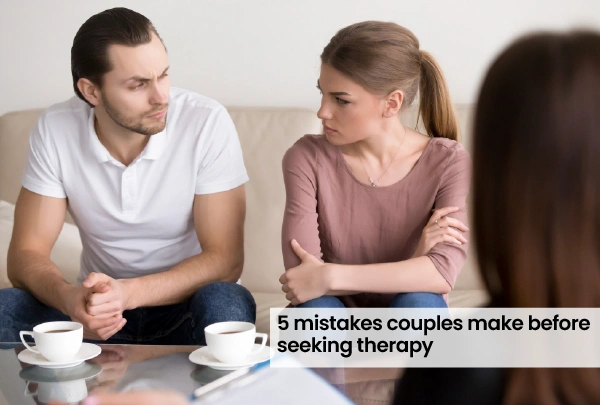
Relationships are rarely perfect. Every couple has arguments, miscommunications, and times when they are emotionally distant from one another. Differences in personalities, communication styles, family expectations, finances, work responsibilities, and life goals can all create occasional tension. However, what often determines whether a relationship grows stronger or begins to deteriorate isn’t the presence of problems; it’s how those problems are handled. Couples who communicate openly, listen with empathy, and work together to solve problems are generally more resilient than those who avoid difficult conversations or let unresolved issues accumulate.
Many couples wait months or even years before seeking professional support. Some hope that time alone will solve their problems, while others fear being judged or believe that therapy is only for relationships on the verge of ending.
Seeking Relationship Issues Counselling is not a sign of failure; it’s a proactive step toward understanding each other better, improving communication, and rebuilding emotional connection. Just as people seek medical advice before a health condition worsens, relationship counselling helps couples address concerns early, strengthen emotional control, and develop healthier ways of resolving disagreements before they become deeply rooted.
- Waiting Until the Relationship Feels “Broken”
One of the biggest misconceptions about therapy is that it should only be considered as a last resort. Many couples convince themselves that things will improve on their own or believe that every relationship goes through difficult phases. While occasional ups and downs are completely normal, ignoring persistent issues often allows them to grow into larger problems over time.
Relationships rarely fall apart overnight. More often, they slowly weaken through repeated misunderstandings, unresolved disagreements, unmet emotional needs, and a gradual loss of connection. Small disappointments that remain unspoken can eventually turn into resentment, frustration, and emotional withdrawal. Because these changes happen gradually, many couples fail to recognise how much distance has developed until communication has significantly broken down.
While occasional disagreements are normal, recurring arguments, emotional distance, or lack of communication often signal deeper issues that deserve attention. Seeking relationship counselling or consulting a relationship counsellor in Delhi at this stage can help couples identify unhealthy communication patterns before they become deeply rooted.
Waiting too long also allows resentment to build. Small misunderstandings can evolve into persistent conflicts, making it harder for partners to reconnect emotionally. Over time, unresolved issues may create negative assumptions about one another’s intentions, causing even minor disagreements to escalate into major arguments.
- Thinking Therapy Will “Fix” Their Partner
Another common mistake is entering relationship counselling with the expectation that the therapist will identify who is right and who is wrong. Whether someone seeks a Relationship Counseling near me service or works with the best Relationship counsellor in Delhi, therapy focuses on helping both partners understand and change unhealthy interaction patterns rather than assigning blame.
Healthy couples therapy isn’t about assigning blame. Instead, it focuses on understanding how both partners contribute to the relationship dynamic. Most relationship difficulties arise from repeated interaction patterns rather than from one person’s behaviour alone. For example, one partner may withdraw during disagreements to avoid conflict, while the other pursues conversation more intensely in an effort to feel heard. Without realising it, both reactions reinforce each other and keep the conflict going.
Instead of asking, “Who’s wrong?”, in treatment, partners are encouraged to consider issues like:
- What emotions are hidden beneath the anger?
- What needs are not being expressed?
- How can both partners create emotional safety?
- What communication patterns keep repeating during disagreements?
- Ignoring Individual Mental Health Challenges
Relationship problems don’t always originate from the relationship itself. Sometimes, one or both partners may be dealing with emotional or psychological challenges that influence how they communicate, manage stress, and respond to conflict. When these concerns remain unaddressed, they can unintentionally affect the overall health of the relationship.
For example:
- Persistent worry may require Anxiety
- Low mood and emotional withdrawal may benefit from Depression
- Chronic work pressure or burnout may call for Stress
- Past painful experiences may require Trauma
These challenges often shape the way people react during disagreements. Anxiety can lead individuals to frequently seek reassurance and feel uneasy when faced with uncertainty. In contrast, depression may cause a person to become emotionally withdrawn, less expressive, and less engaged in everyday interactions. Likewise, unresolved emotional intimacy issues can make individuals more reactive to criticism, conflict, or perceived rejection because past experiences continue to influence present relationships.
- Neglecting Emotional Intimacy
Many people associate Intimacy only with physical affection. However, emotional intimacy is equally, if not more, important for maintaining a healthy and satisfying relationship. Emotional intimacy develops when partners feel safe enough to express their thoughts, fears, and vulnerabilities without fear of criticism or rejection.
It includes:
- Feeling emotionally safe
- Sharing fears without judgment
- Being vulnerable
- Trusting that your partner genuinely understands and supports you
As relationships progress, responsibilities such as careers, parenting, financial obligations, and household tasks can gradually replace meaningful emotional conversations. Couples may continue functioning as a team while unknowingly becoming emotionally disconnected. This distance often develops slowly, making it difficult to recognise until one or both partners begin feeling lonely despite being in the relationship.
- Failing to Establish Healthy Boundaries
Many couples misunderstand the concept of Boundaries, assuming they create emotional distance or indicate a lack of commitment. In reality, healthy boundaries promote mutual respect, trust, and individuality while strengthening the relationship.
Healthy boundaries may include:
- Respecting personal space and privacy
- Communicating needs openly and honestly
- Managing disagreements respectfully
- Protecting time for self-care and personal interests
- Maintaining supportive relationships with family and friends
Without healthy boundaries, partners may begin relying entirely on one another for emotional support, validation, or happiness. This can create emotional exhaustion, resentment, or unhealthy dependency over time. On the other hand, clearly communicated boundaries allow both individuals to maintain their own identity while remaining emotionally connected to their partner.
Establishing boundaries also improves conflict resolution. When partners understand each other’s limits and expectations, they are more likely to approach disagreements respectfully instead of reacting impulsively. Therapy helps couples develop these skills by encouraging assertive communication, mutual respect, and collaborative problem-solving. Rather than creating distance, healthy Boundaries foster emotional security, increase trust, and support long-term relationship satisfaction.
- The Hidden Role of Self-Confidence in Relationships
Many relationship challenges are not solely caused by poor communication; they can also stem from low self-confidence. The way individuals view themselves often influences how they perceive their partner’s words, actions, and intentions. People with healthy self-esteem are generally more comfortable expressing their needs, accepting constructive feedback, and resolving disagreements without feeling personally attacked. In contrast, those with low self-confidence may become overly dependent on their partner’s reassurance or struggle to communicate openly.
Individuals who struggle with self-worth may:
- Fear of abandonment or rejection
- Constantly seek reassurance
- Avoid expressing their needs or opinions
- Accept unhealthy behaviour to avoid conflict
- Misinterpret neutral situations as criticism or rejection
Over time, these patterns can create emotional strain within the relationship. Building Self-confidence helps individuals develop healthier communication habits, establish appropriate Boundaries, and approach disagreements with greater emotional resilience. Therapy can support this process by helping individuals challenge negative beliefs, improve emotional regulation, and develop healthier coping strategies.
- When Should Couples Consider Therapy?
Many people assume therapy is only necessary after infidelity, repeated arguments, or thoughts of separation. In actuality, expert assistance can help couples long before issues escalate to a crisis. Early help-seeking enables partners to establish better communication habits and keeps minor issues from turning into major points of contention.
Couples may benefit from Relationship Issues Counselling if they notice:
- The same arguments are happening repeatedly
- Difficulty communicating without escalating Conflicts
- Emotional distance or loss of Intimacy
- Declining trust or connection
- Increased stress is affecting the relationship
- Major life transitions such as marriage, parenthood, relocation, or financial challenges
- Feeling unheard, misunderstood, or emotionally unsupported
Relationship counseling is not limited to troubled couples. Many partners also seek therapy to strengthen communication, prepare for marriage, navigate significant life changes, or improve emotional connection. Evidence-based approaches such as Emotionally Focused Therapy (EFT) help couples understand the emotional needs underlying their interactions and develop healthier ways of responding to one another.
Conclusion
Every relationship encounters challenges, but avoiding those challenges rarely leads to lasting solutions. Waiting until resentment has accumulated, expecting one partner to change, overlooking individual mental health concerns, neglecting emotional Intimacy, or failing to establish healthy Boundaries can gradually weaken even the strongest relationships. Fortunately, these patterns can be identified and changed with the right support through relationship counselling provided by an experienced relationship counsellor in Dwarka.
Healthy relationships are not defined by the absence of problems but by the willingness of both partners to face those problems together. Reaching out for support is a sign of commitment, courage, and a shared desire to grow. Whether you are looking for best Relationship counselling in Delhi, a trusted best Relationship counsellor in Delhi, or searching online for Relationship Counseling near me, seeking help early can strengthen communication, rebuild trust, and foster stronger emotional bonds, greater resilience, and a more fulfilling relationship for years to come.
With the Psychowellness Center, start down the path to improved mental health. Expert psychological services are available at the Janakpuri and Dwarka Sec-17 centres. To book a consultation, call 7827208707 or 011-47039812.
Contributions: Dr. R.K. Suri, Clinical Psychologist, and Ms. Ishita, Counselling Psychologist
References
https://www.psychowellnesscenter.com/Blog/looking-for-couples-counselling-things-to-know/
https://www.psychowellnesscenter.com/Blog/common-dating-mistakes-that-can-affect-your-mental-health/
https://www.psychowellnesscenter.com/Blog/how-to-look-at-your-mistakes-3-ways/
https://www.psychowellnesscenter.com/Blog/can-marriage-therapy-truly-heal-the-old-wounds/
https://www.psychowellnesscenter.com/Blog/what-to-expect-from-marriage-counselling/
Greenman, P. S., & Johnson, S. M. (2013). Process research on Emotionally Focused Therapy (EFT) for couples: Linking theory to practice. Family Process, 52(1), 46–61. https://doi.org/10.1111/famp.12015
Johnson, S. M. (2019). Attachment in action—Changing the face of 21st century couple therapy. Current Opinion in Psychology, 25, 101–104. https://doi.org/10.1016/j.copsyc.2018.03.007