
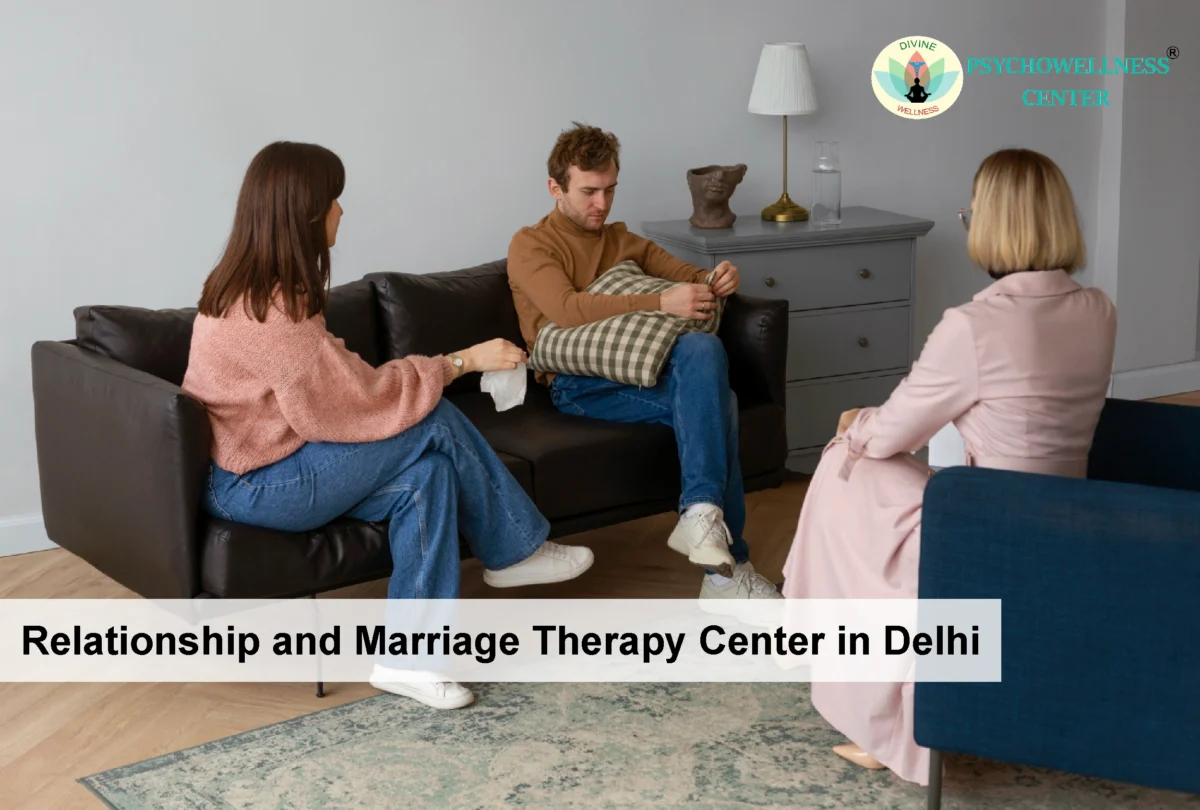
Healthy partnerships are built on trust, communication, respect, and emotional understanding. However, even the strongest couples may encounter challenges that test their bond. Work stress, family responsibilities, financial concerns, parenting differences, and changing life priorities can gradually affect emotional closeness. When these concerns remain unresolved, they may create distance between partners and reduce satisfaction within the relationship. Seeking professional therapy is not a sign of failure but a proactive step toward building healthier communication, restoring trust, and strengthening emotional connection.
Why Couples Seek Therapy
Every relationship experiences disagreements, but recurring patterns of misunderstanding can become difficult to resolve without guidance. Many couples postpone seeking professional help, believing problems will disappear over time. Unfortunately, unaddressed issues frequently worsen, making it harder to communicate and causing greater emotional distress.
Common reasons couples seek therapy include communication difficulties, trust concerns, financial disagreements, parenting conflicts, emotional disconnection, intimacy challenges, life transitions, and unresolved past experiences. Therapy provides a structured, confidential environment where both partners can express themselves openly while learning healthier ways of interacting. Research shows that early intervention often leads to better outcomes than waiting until problems become severe.
Understanding Relationship Challenges
Conflict itself is not harmful; rather, the way partners manage conflict determines the quality of their bond. Frequent misunderstandings, criticism, defensiveness, avoidance, or emotional withdrawal may gradually contribute to couple conflicts. These patterns often develop over time and can leave partners feeling unheard or misunderstood.
A trained therapist helps couples identify unhealthy interaction cycles, improve communication, understand emotional triggers, and replace negative behaviours with more constructive responses. Rather than deciding who is right or wrong, therapy focuses on helping both individuals work together toward shared goals.
Emotional Well-being and Relationships
Emotional health significantly influences romantic partnerships. Anxiety, depression, workplace stress, family pressures, or unresolved childhood experiences may affect communication and emotional availability. Individuals experiencing prolonged loneliness may also struggle to express their emotional needs, making it difficult to maintain satisfying connections.
Therapy explores both individual and relational factors contributing to emotional distress. Developing emotional awareness enables partners to better understand their own reactions while responding more compassionately to one another.
The Role of Relationship and Marriage Therapy
Professional marriage counselling focuses on improving communication, rebuilding trust, strengthening emotional intimacy, and developing practical conflict-resolution skills. Sessions are tailored to each couple’s concerns and goals, ensuring that interventions remain relevant to their unique circumstances.
A therapist may begin by understanding the history of the relationship, identifying recurring concerns, assessing communication patterns, and exploring individual perspectives. Together, the couple develops realistic goals while learning healthier ways of managing disagreements and emotional differences.
Therapy may also address issues related to commitment, parenting, blended families, cultural expectations, work-life balance, and major life transitions.
Evidence-Based Therapeutic Approaches
Modern relationship therapy incorporates several evidence-based approaches depending on the couple’s needs.
One widely used approach is acceptance and commitment therapy, which helps partners become more psychologically flexible, accept difficult emotions without avoidance, and act according to their shared values rather than reacting impulsively. This approach encourages emotional awareness, mindful communication, and value-driven decision-making.
To enhance emotional connection and communication, therapists may also incorporate Gottman Method interventions, Cognitive Behavior Therapy (CBT), Emotionally Focused Therapy (EFT), or Solution-Focused Therapy. Research consistently supports these approaches in strengthening relationship satisfaction and reducing distress.
Building Healthier Relationship Skills
Successful relationships require continuous learning and adaptation. Therapy helps couples strengthen communication by practicing active listening, emotional validation, empathy, healthy boundaries, collaborative problem-solving, and mutual respect.
Partners also learn strategies for managing stress together, expressing appreciation, repairing misunderstandings, and supporting each other’s personal growth. These skills contribute not only to healthier partnerships but also to long-term emotional resilience.
In many cases, therapy encourages self-improvement alongside relationship growth. As individuals become more emotionally aware and confident, they contribute more positively to the partnership.
Addressing Emotional Dependence
Healthy relationships involve closeness while maintaining individuality. Excessive emotional dependence on a partner can sometimes create unrealistic expectations, insecurity, or fear of separation. Therapy helps individuals develop emotional independence without reducing intimacy.
Learning to balance personal identity with emotional connection allows both partners to maintain supportive, respectful, and fulfilling relationships.
Choosing the Right Therapy Center in Delhi
Delhi offers access to experienced psychologists and mental health professionals specializing in couple and family therapy. When selecting a therapy center, couples should consider the qualifications, experience, therapeutic approach, confidentiality practices, and availability of both in-person and online sessions.
Many individuals search for relationship counselling, a qualified Relationship counsellor, an experienced marriage counselor in delhi ncr, or the Best Psychologists in delhi to receive professional guidance. Choosing evidence-based therapy delivered by trained mental health professionals can significantly improve communication, emotional understanding, and long-term relationship satisfaction.
Conclusion
Relationship challenges are a natural part of life, but they do not have to define the future of a partnership. Early intervention, open communication, and professional support can help couples rebuild trust, improve emotional intimacy, and develop healthier ways of navigating life’s challenges together.
To better understand and address emotional disconnection, communication difficulties, trust concerns, and other relationship challenges, couples can seek professional support at Psychowellness Center. Services are available in person at Dwarka and Janakpuri, New Delhi (Contact: 011-47039812 / 7827208707) and online through TalktoAngel. With the guidance of experienced mental health professionals, individuals and couples can receive comprehensive relationship assessments, evidence-based couples therapy, individualized treatment plans, conflict resolution strategies, communication skills training, emotional regulation support, trust-building interventions, premarital counseling and marital counselling, and personalized guidance that strengthens emotional intimacy, fosters healthier relationships, and promotes long-term marital well-being.
Strengthen your relationship with expert guidance at our Relationship and Marriage Therapy Center in Delhi, where couples learn effective communication, rebuild trust, and resolve conflicts. Our therapists help partners develop constructive support for recurring disagreements and communication challenges while fostering healthy personal limits for a more balanced and fulfilling life.
Contributions: Dr. R.K. Suri, Clinical Psychologist, and Ms. Mahima Mathur , Counselling Psychologist
References
Beck, J. S. (2021). Cognitive behavior therapy: Basics and beyond (3rd ed.). Guilford Press.
Gottman, J. M., & Gottman, J. S. (2015). 10 principles for doing effective couples therapy. W. W. Norton & Company.
Gottman, J. M., & Gottman, J. S. (2015). 10 principles for doing effective couples therapy. W. W. Norton & Company.
Pietromonaco, P. R., & Overall, N. C. (2022). Applying relationship science to evaluate how the COVID-19 pandemic may impact couples’ relationships. American Psychologist, 77(3), 438–450. https://doi.org/10.1037/amp0000928
https://www.psychowellnesscenter.com/best-marriage-counselling-near-me/delhi-ncr/
https://www.psychowellnesscenter.com/service-relationship-issues-counselling-delhi/