
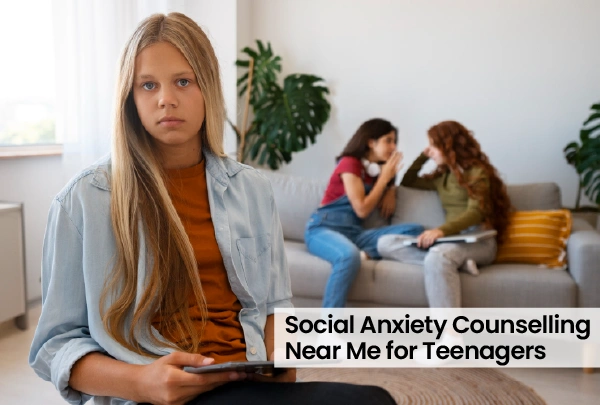
Adolescence is a time of fast social, physical, and emotional growth. While feeling nervous before meeting new people or speaking in front of a class is common, persistent fear of social situations may indicate something more serious, Social Anxiety Disorder. Many teenagers silently struggle with overwhelming fear of being judged, embarrassed, or rejected, making everyday activities feel stressful and exhausting. If you have been searching for “Social Anxiety Counselling Near Me for Teenagers,” understanding the condition and seeking professional support can be the first step toward recovery.
What is Social Anxiety in Teenagers?
Social anxiety is more than ordinary shyness. It is a mental health condition characterized by an intense and persistent fear of social or performance situations where an individual worries about being negatively evaluated by others. Teens’ academic performance, friendships, extracurricular activities, and general emotional health may all be hampered by this dread.
Social anxiety often begins during adolescence, when peer acceptance and self-image become increasingly important. Without appropriate support, the condition may continue into adulthood and affect academic performance, career opportunities, and relationships. Early identification and counselling can significantly improve long-term outcomes.
Signs of Social Anxiety in Teenagers
Parents, teachers, and caregivers should watch for the following signs:
- Avoiding school presentations or classroom participation.
- Fear of talking to classmates or teachers.
- Difficulty making or maintaining friendships.
- Avoiding social gatherings, parties, or group activities.
- Excessive worry before social events.
- Physical symptoms such as sweating, trembling, nausea, blushing, or a racing heartbeat during social interactions.
- Low self-esteem and constant fear of embarrassment.
- Overthinking conversations long after they have ended.
While occasional nervousness is normal, these symptoms become concerning when they persist for several months and interfere with daily functioning.
What Causes Social Anxiety?
There is no one source of social anxiety. Rather, it typically arises as a result of several circumstances, such as:
- A family history of anxiety problems or a genetic risk.
- Negative social experiences such as bullying, teasing, or humiliation.
- High academic or social expectations.
- Overprotective or highly critical parenting styles.
- Negative self-beliefs and fear of making mistakes.
- Increased pressure from social media and constant comparison with peers.
Understanding these contributing factors helps therapists create individualized treatment plans that address the root causes rather than only the symptoms.
How Does Social Anxiety Affect Teenagers?
Untreated social anxiety can affect multiple aspects of a teenager’s life, including:
Academic Performance
Teenagers may avoid answering questions, participating in discussions, or giving presentations, resulting in declining grades despite having good intellectual abilities.
Friendships
Fear of rejection often leads teenagers to isolate themselves, making it difficult to develop meaningful friendships.
Emotional Well-being
Persistent anxiety may contribute to loneliness, sadness, low confidence, and even depression if left untreated.
Family Relationships
Parents may misunderstand avoidance behaviors as laziness, stubbornness, or lack of interest, creating unnecessary conflict within the family.
How Counselling Helps Teenagers with Social Anxiety
Professional counselling provides teenagers with a safe, confidential, and non-judgmental environment where they can openly express their fears and emotions. Rather than forcing them into uncomfortable situations, therapists work gradually to help them build confidence and develop healthier ways of thinking.
Some evidence-based approaches include:
Cognitive Behaviour Therapy (CBT)
CBT is considered one of the most effective treatments for social anxiety. It helps teenagers identify negative thought patterns, challenge unrealistic fears, and replace them with healthier perspectives. They also learn coping strategies to manage anxiety in real-life situations.
Exposure-Based Techniques
With professional guidance, teenagers gradually face feared social situations in manageable steps. Repeated exposure eventually lowers anxiety and boosts self-esteem.
Social Skills Training
Many teenagers benefit from learning communication skills, assertiveness, maintaining eye contact, starting conversations, and handling peer interactions more comfortably.
Relaxation and Mindfulness
Breathing exercises, mindfulness practices, and relaxation techniques help regulate physical symptoms of anxiety, making stressful situations easier to manage.
Parent Guidance
Parents also play an essential role in recovery. Counsellors often educate families on how to provide emotional support, encourage independence, and avoid unintentionally reinforcing anxious behaviors.
Tips for Parents Supporting a Teen with Social Anxiety
Parents can make a significant difference by creating a supportive environment at home. Some helpful strategies include:
- Listen without judgment.
- Avoid forcing social interactions.
- Praise effort rather than perfection.
- Encourage gradual participation in social activities.
- Keep up good eating, exercise, and sleeping habits.
- Seek professional help when anxiety begins interfering with daily life.
Remember, progress is often gradual, and patience is essential.
When Should You Seek Professional Help?
Professional counselling should be considered if your teenager:
- Avoids school or social situations regularly.
- Experiences panic symptoms during social interactions.
- Shows declining academic performance due to anxiety.
- Withdraws from family or friends.
- Appears persistently distressed, lonely, or emotionally overwhelmed.
Early intervention can prevent symptoms from worsening and improve emotional resilience during these important developmental years.
Social Anxiety Counselling at Psychowellness Center
If you are looking for Social Anxiety Counselling Near Me for Teenagers, Psychowellness Center offers compassionate, evidence-based mental health care for adolescents experiencing social anxiety, emotional distress, and related psychological concerns.
The experienced team of the best psychologists in Delhi NCR, the best counselors in Dwarka, and counseling psychologists near me works collaboratively with teenagers and their families to understand individual challenges and develop personalized treatment plans. Therapy focuses on building confidence, improving communication skills, managing anxious thoughts, and helping teenagers navigate school, friendships, and everyday social situations with greater ease.
Psychowellness Center has conveniently located clinics in Janakpuri and Dwarka Sector 17 (011-47039812, 7827208707). Whether your teenager is struggling with classroom participation, fear of social judgment, or difficulty making friends, timely psychological support from experienced professionals can help them build confidence and improve their overall quality of life.
Conclusion
Social anxiety can make adolescence feel overwhelming, but it is highly treatable with the right support. Recognizing the early signs and seeking professional counselling can help teenagers overcome fear, build self-confidence, and develop healthy social relationships. Every teenager deserves the opportunity to express themselves freely without being held back by anxiety. If you have been searching for “Social Anxiety Counselling Near Me for Teenagers,” reaching out to a qualified mental health professional can be the beginning of a healthier, more confident future.
Contributions: Dr. R.K. Suri, Clinical Psychologist, and Ms. Sakshi Dhankhar, Counselling Psychologist
References
American Psychiatric Association. (2022). Diagnostic and statistical manual of mental disorders (5th ed., text rev.; DSM-5-TR). American Psychiatric Association Publishing.
https://www.psychowellnesscenter.com/Blog/anxiety-counselling-near-me-for-students/
https://www.psychowellnesscenter.com/Blog/mental-health-screening-center-in-delhi-for-students/
https://www.psychowellnesscenter.com/service-anxiety-counselling-delhi/
National Institute of Mental Health. (2024). Social anxiety disorder: More than just shyness. https://www.nimh.nih.gov/health/publications/social-anxiety-disorder-more-than-just-shyness
National Health Service. (2023). Social anxiety (social phobia). https://www.nhs.uk/mental-health/conditions/social-anxiety/