
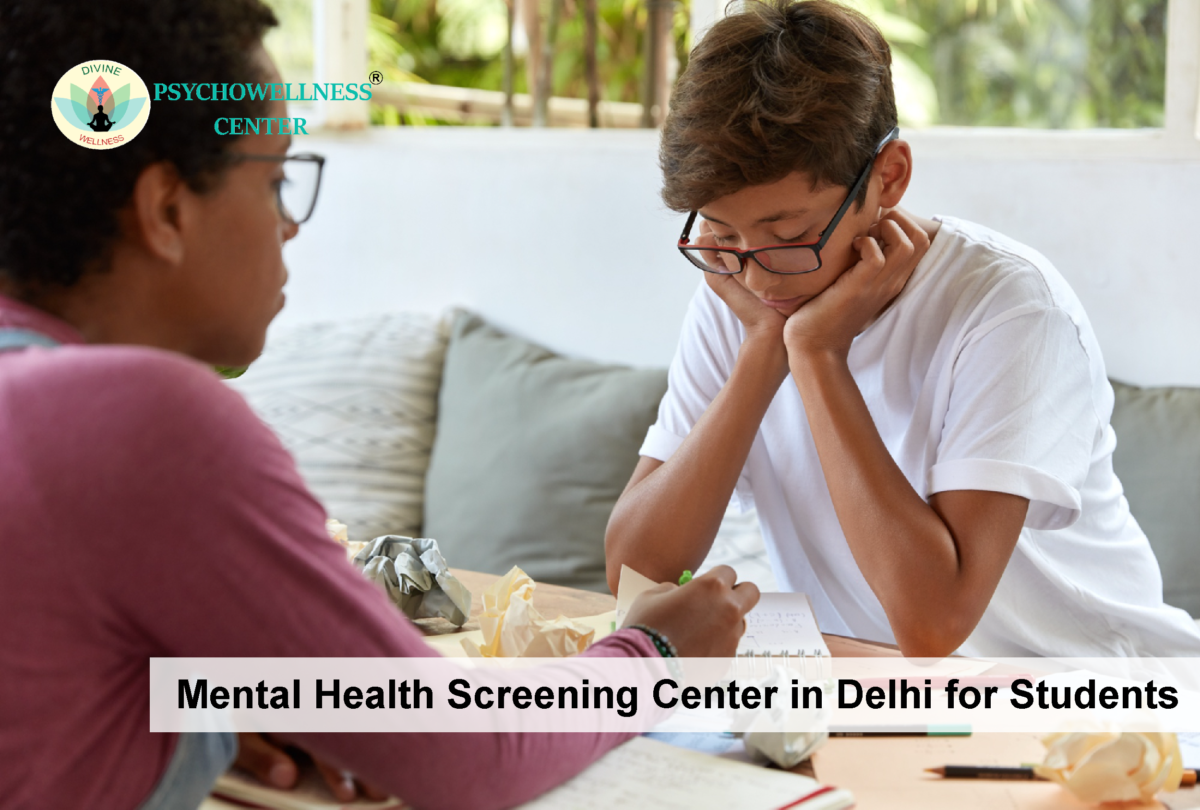
Student life is often portrayed as an exciting phase filled with opportunities, friendships, and personal growth. However, behind academic achievements and social interactions, many students silently struggle with emotional, behavioural, and psychological challenges. Academic competition, career uncertainty, family expectations, financial pressures, and adjusting to a new environment can significantly affect mental well-being. When these concerns go unnoticed, they may interfere with learning, relationships, and overall quality of life.
A Mental Health Screening Center plays a crucial role in identifying emotional difficulties at an early stage. Rather than waiting until problems become severe, screening helps recognize warning signs and connects students with timely professional support. Early identification has been shown to improve academic functioning, emotional control, and long-term psychological health.
What is a Mental Health Screening Center?
A mental health screening center is a specialized facility where trained mental health professionals assess an individual’s emotional, cognitive, and behavioural functioning using scientifically validated psychological tools and structured interviews. The goal is not to label students but to understand their current mental health status and recommend suitable interventions.
Screening commonly evaluates emotional well-being, stress levels, behavioural concerns, coping skills, attention, mood, interpersonal functioning, and other psychological indicators. These assessments help professionals determine whether additional counselling, therapy, or psychiatric evaluation may be beneficial.
Why Students Need Mental Health Screening
Many students dismiss emotional difficulties as temporary stress or part of growing up. Unfortunately, untreated concerns often become more complex over time. A comprehensive screening helps identify challenges before they begin affecting academic performance or daily functioning.
Students may benefit from screening if they experience:
- Persistent sadness or mood changes
- Difficulty concentrating in class
- Social withdrawal
- Sleep disturbances
- Irritability or emotional outbursts
- Excessive anxiety
- Declining academic performance
- Feelings of hopelessness or overwhelming stress
Research highlights that adolescence and young adulthood are critical periods for the onset of many mental health conditions, making early identification especially valuable.
Common Concerns Identified During Screening
Mental health assessments can help identify various concerns affecting students, including emotional, behavioural, learning, and adjustment-related difficulties.
One commonly observed issue is low motivation, where students struggle to initiate or sustain academic tasks despite having the ability to perform well. Screening helps determine whether reduced motivation is linked to emotional distress, burnout, depression, or other psychological factors.
Professionals also assess emotional regulation abilities because healthy emotion control supports better decision-making, relationships, and stress management. Identifying emotional regulation difficulties early allows students to learn healthier coping strategies before problems escalate.
The Mental Health Screening Process
A professional screening usually involves multiple steps to ensure a comprehensive understanding of the student’s psychological well-being.
The process generally includes:
- Initial clinical interview.
- Standardized psychological questionnaires.
- Behavioural observations.
- Cognitive or emotional assessments are required.
- Feedback session with recommendations.
- Referral for counselling or therapy if needed.
The screening process is confidential, evidence-based, and tailored according to the student’s age, concerns, and educational background.
Benefits of Early Screening
Mental health screening offers several advantages beyond identifying psychological disorders. It encourages self-awareness, promotes help-seeking behaviour, and reduces stigma surrounding mental health care.
Students who receive timely support are often better able to manage academic stress, improve interpersonal relationships, and develop healthier coping skills. Early intervention can also reduce absenteeism, improve classroom participation, and enhance overall well-being. The World Health Organization emphasizes that schools and educational institutions are important settings for promoting mental health through prevention, early identification, and access to appropriate services.
Therapeutic Support After Screening
A screening assessment is only the beginning. Once the evaluation is complete, mental health professionals recommend interventions that match the student’s individual needs.
Many students benefit from person-centered therapy, which provides a supportive, empathetic, and non-judgmental environment where individuals can openly discuss their concerns. This therapeutic approach encourages self-awareness, confidence, and personal growth while helping students discover their own strengths and solutions.
Depending on the screening findings, professionals may also recommend cognitive-behavioural therapy, family counselling, behavioural interventions, or psychiatric consultation.
Building Healthy Coping Skills
Beyond therapy, screening centers encourage students to develop lifelong emotional wellness habits. Learning healthy coping strategies can reduce stress and improve resilience during academic and personal challenges.
Practices such as mindfulness help students become more aware of their thoughts and emotions without becoming overwhelmed by them. Regular mindfulness exercises have been associated with better concentration, emotional regulation, and reduced psychological distress.
Similarly, structured goal setting enables students to divide overwhelming academic or personal objectives into realistic, achievable steps. This improves confidence, motivation, and overall productivity.
Choosing the Right Mental Health Screening Center in Delhi
When selecting a screening center, students and families should look for qualified psychologists who use standardized psychological assessments and evidence-based interventions. Confidentiality, ethical practice, individualized care, and comprehensive follow-up services are equally important.
Many students begin their search online using terms like therapist near me, counsellor near me, psychologist in Delhi NCR, or Best Psychologists in Delhi. While online searches are useful, it is essential to choose professionals with recognized qualifications, experience in student mental health, and expertise in psychological assessment.
Students experiencing persistent stress or emotional difficulties may also benefit from specialized anxiety counselling, particularly when worries begin interfering with academics, sleep, relationships, or daily functioning.
Conclusion
Mental health is just as important as physical health, especially during the formative student years. Emotional struggles do not indicate weakness; they are signals that support may be needed. A Mental Health Screening Center in Delhi provides students with the opportunity to understand their emotional well-being, identify concerns early, and receive timely, evidence-based guidance.
To better understand and address emotional, academic, and psychological concerns among students, individuals and families can seek professional support at Psychowellness Center. Services are available in person at Dwarka and Janakpuri, New Delhi (Contact: 011-47039812 / 7827208707) and online through TalktoAngel. With the guidance of experienced mental health professionals, students can undergo comprehensive mental health screenings, receive accurate psychological assessments, strengthen emotional well-being, develop healthy coping strategies, improve stress management, improve interpersonal connections, foster long-term mental wellness for success in both personal and academic life, increase academic achievement, develop resilience and self-confidence, and have access to evidence-based therapeutic interventions customized to their specific needs.
Early mental health screening helps students recognize emotional challenges while encouraging healthy living practices that support mental well-being. Developing these positive habits alongside timely psychological support can strengthen resilience, improve emotional balance, and enhance academic performance.
Contributions: Dr. R.K. Suri, Clinical Psychologist, and Ms. Mahima, Counselling Psychologist
References
Fazel, M., Patel, V., Thomas, S., & Tol, W. (2014). Mental health interventions in schools in low-income and middle-income countries. The Lancet Psychiatry, 1(5), 388–398. https://doi.org/10.1016/S2215-0366(14)70357-8
Weist, M. D., Rubin, M., Moore, E., Adelsheim, S., & Wrobel, G. (2007). Mental health screening in schools. The Journal of School Health, 77(2), 53–58. https://doi.org/10.1111/j.1746-1561.2007.00167.x
World Health Organization. (2023). How school systems can improve health and well-being: Topic brief: Mental health. https://www.who.int/publications/i/item/9789240064751
https://www.psychowellnesscenter.com/Blog/anxiety-counselling-near-me-for-students/
https://www.psychowellnesscenter.com/Blog/best-clinical-psychologist-in-chanakyapuri-delhi/