
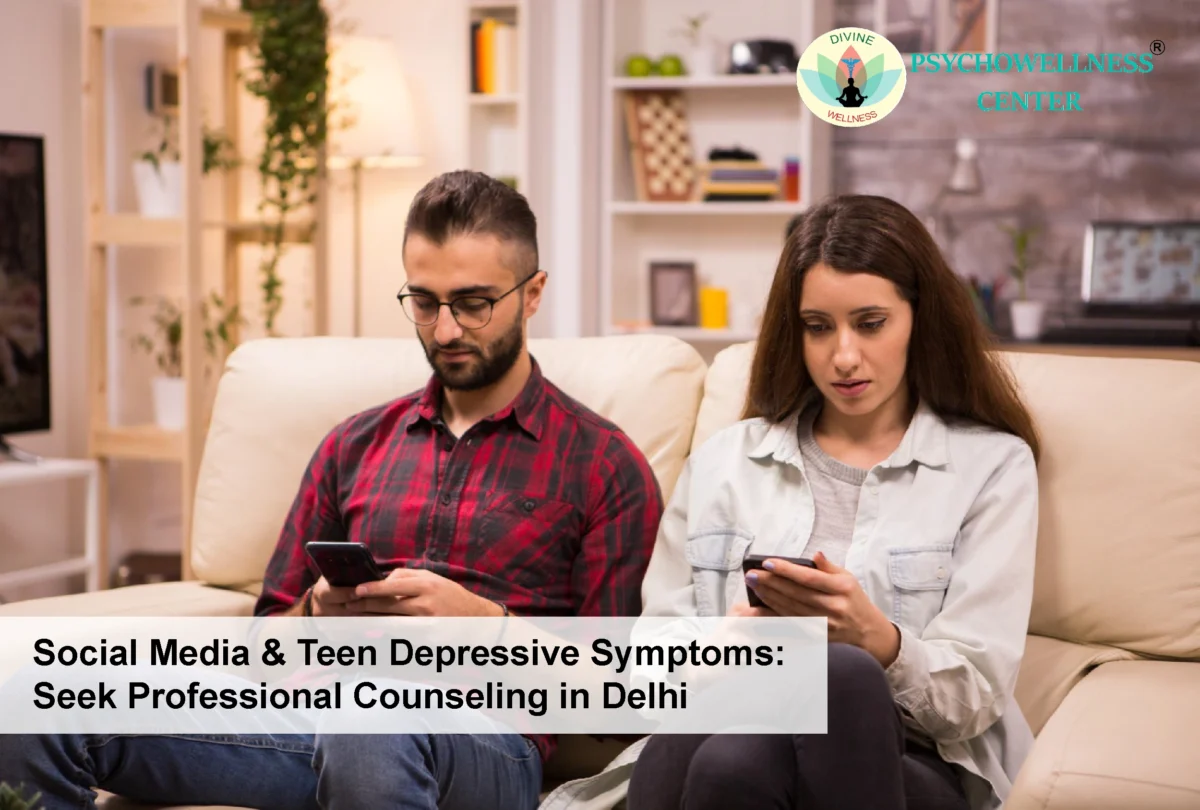
Social media has become an integral element of teenage life in today’s digital environment. Platforms such as Instagram, Snapchat, TikTok, and Facebook allow adolescents to connect with friends, share experiences, and express themselves. While these platforms offer many benefits, excessive and unhealthy social media use has increasingly been linked to emotional distress, low self-esteem, anxiety, and depressive symptoms among teenagers. Understanding this connection is essential for parents, educators, and mental health professionals to support young people effectively.
The Growing Influence of Social Media on Teen Mental Health
Teenagers spend a significant portion of their day online. Social media provides instant access to entertainment, information, and social interactions. However, prolonged exposure can also expose adolescents to unrealistic standards, cyberbullying, social comparison, and constant validation-seeking behaviors.
Research suggests that excessive social media use can negatively affect mood, sleep patterns, concentration, and overall psychological well-being. Teens often compare their lives with carefully curated online images, leading to feelings of inadequacy and dissatisfaction. Over time, these feelings can contribute to symptoms associated with depression.
Understanding Teen Depressive Symptoms
Depression in teenagers goes beyond occasional sadness. It is a serious mental health condition that affects emotions, thoughts, behaviors, and daily functioning. Common symptoms include:
- Persistent sadness or hopelessness
- Loss of interest in activities once enjoyed
- Irritability and mood swings
- Fatigue and low energy
- Changes in sleep or appetite
- Difficulty concentrating
- Feelings of worthlessness or guilt
- Social withdrawal
- Thoughts of self-harm or suicide
Professional assistance becomes essential if these symptoms continue for several weeks or months.
How Social Media Contributes to Depression
- Social Comparison:– Social media frequently presents idealized portrayals of people’s lives. Teenagers may compare their appearance, achievements, friendships, or lifestyles with others. This constant comparison can damage self-esteem and increase feelings of inadequacy.
- Cyberbullying:- Online harassment can have devastating psychological effects. Cyberbullying, in contrast to traditional bullying, can happen at any time and affect a larger number of people. Victims often experience anxiety, loneliness, and depressive symptoms.
- Fear of Missing Out (FOMO):- Many teenagers feel pressured to stay constantly connected. Seeing peers attend events, parties, or social gatherings can create a fear of exclusion and contribute to emotional distress.
- Sleep Disruption: Healthy sleep habits are disrupted by late-night scrolling and excessive screen use. Poor sleep is strongly associated with mood disorders, including depression.
- Validation Dependency: Many adolescents begin measuring their self-worth through likes, comments, and followers. When expected validation is not received, it can trigger disappointment, rejection, and emotional instability.
Warning Signs Parents Should Watch For
Parents play a critical role in identifying early signs of depression. Some indicators include:
- Increased isolation from family and friends
- Significant decline in academic performance
- Excessive social media use
- Loss of motivation
- Emotional outbursts
- Changes in eating or sleeping habits
- Reduced participation in hobbies
Early identification can significantly improve treatment outcomes and prevent symptoms from worsening.
The Importance of Professional Counseling
While family support is valuable, professional counseling provides specialized interventions that help teenagers understand and manage their emotions. A qualified counselling psychologist in Delhi can assess underlying emotional concerns and develop personalized treatment plans.
Therapy offers a safe, confidential environment where teenagers can openly discuss their feelings without fear of judgment. Mental health professionals use evidence-based approaches such as Cognitive Behavioral Therapy (CBT), mindfulness-based interventions, and emotional regulation techniques to help adolescents cope with stress and depressive symptoms. Families searching online for a therapist near me often discover that early therapeutic support can prevent long-term mental health complications and improve overall well-being.
Benefits of Counseling for Teenagers
Professional counseling can help teenagers:
- Develop healthy coping strategies
- Improve self-esteem and confidence
- Build emotional resilience
- Manage social media-related stress
- Improve communication skills
- Reduce symptoms of depression and anxiety
- Strengthen relationships with family and peers
Many parents seeking a counsellor near me report positive changes in their child’s emotional health after consistent therapy sessions.
Healthy Social Media Habits for Teens
Although eliminating social media entirely may not be realistic, healthier usage patterns can significantly reduce psychological risks.
- Set Time Limits:- Encourage teenagers to limit screen time and prioritize offline activities.
- Promote Real-Life Connections:- Face-to-face interactions help build stronger emotional support systems and reduce feelings of loneliness.
- Encourage Critical Thinking:- Help teens understand that social media often presents edited and idealized content rather than reality.
- Create Technology-Free Zones:- Designating screen-free periods during meals and before bedtime can improve family interactions and sleep quality.
- Focus on Positive Content:- Encourage following accounts that promote education, creativity, mental wellness, and personal growth rather than comparison-based content.
Seeking Expert Help in Delhi
When depressive symptoms begin affecting daily functioning, professional support should not be delayed. Families looking for the best counselor in Delhi NCR often prioritize experienced mental health professionals who specialize in adolescent counseling and emotional wellness.
Similarly, individuals searching for the best psychologist in Delhi should consider practitioners who have expertise in treating teen depression, anxiety, behavioral concerns, and social media-related stress. Quality psychological counselling in Delhi can provide adolescents with the guidance and support needed to navigate modern digital challenges while maintaining emotional well-being.
Parents frequently search for the best counselor near me when they notice concerning behavioral changes, and timely intervention can make a substantial difference in a teenager’s recovery journey.
Professional Counseling Services in Janakpuri and Dwarka
For adolescents and families seeking mental health support, professional counseling services are available at:
Psychowellness Center
Janakpuri, Delhi
Dwarka Sector 17, Delhi
Contact: 011-47039812, 7827208707
For teenagers dealing with depression, anxiety, scholastic stress, emotional challenges, and behavioral issues, these facilities offer thorough psychological evaluation, counseling, and treatment services.
Conclusion
The relationship between social media use and teen depressive symptoms is becoming increasingly evident. Even if social media provides chances for self-expression and connection, excessive use can lead to emotional problems that have an impact on a teen’s general wellbeing. Parents, educators, and caregivers must remain attentive to warning signs and encourage healthy digital habits.
Psychowellness Center, with locations in Janakpuri and Dwarka Sector 17, Delhi, offers professional mental health services for adolescents and families seeking guidance and support. Their team of experienced psychologists helps teenagers develop resilience, emotional regulation skills, and healthier coping strategies.
Additionally, TalktoAngel provides accessible online counseling services, connecting individuals with qualified mental health professionals through secure virtual sessions. Together, Psychowellness Center and TalktoAngel continue to support mental wellness by making professional psychological care more accessible for individuals and families across India.
Contributions: Dr. R.K. Suri, Clinical Psychologist, and MS. Tanu Sangwan , Counselling Psychologist
References
- Boers, E., Afzali, M. H., Newton, N., & Conrod, P. (2019). Association of screen time and depression in adolescence. JAMA Pediatrics, 173(9), 853–859.
- Keles, B., McCrae, N., & Grealish, A. (2020). A systematic review: The influence of social media on depression, anxiety, and psychological distress in adolescents. International Journal of Adolescence and Youth, 25(1), 79–93. https://doi.org/10.1080/02673843.2019.1590851
- Odgers, C. L., & Jensen, M. R. (2020). Annual research review: Adolescent mental health in the digital age. Journal of Child Psychology and Psychiatry, 61(3), 336–348. https://doi.org/10.1111/jcpp.13190
- Twenge, J. M., Joiner, T. E., Rogers, M. L., & Martin, G. N. (2018). Increases in depressive symptoms among U.S. adolescents after 2010 and links to increased new media screen time. Clinical Psychological Science, 6(1), 3–17. https://doi.org/10.1177/2167702617723376
- Vannucci, A., Flannery, K. M., & Ohannessian, C. M. (2017). Social media use and anxiety in emerging adults. Journal of Affective Disorders, 207, 163–166. https://doi.org/10.1016/j.jad.2016.08.040