
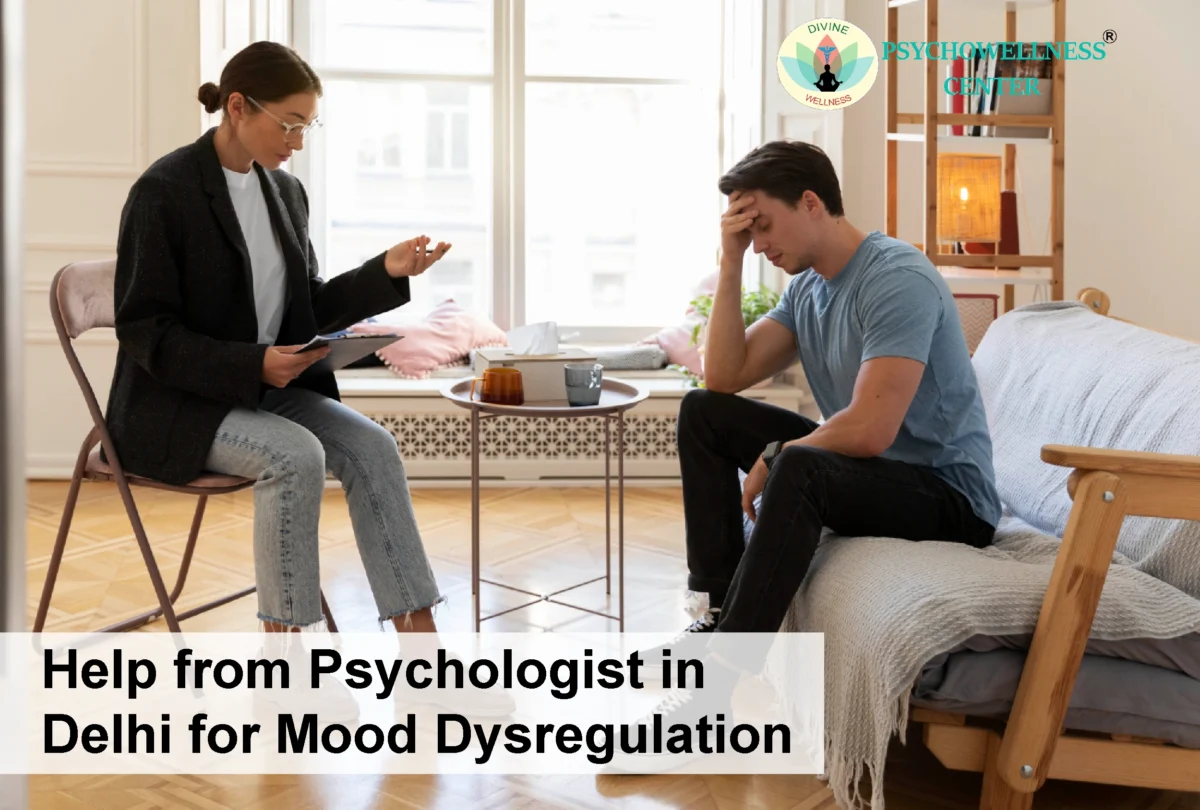
Changes in mood are a common occurrence. Depending on the circumstances, everyone can feel joy, sorrow, annoyance, or enthusiasm. However, when emotions become unusually intense, unpredictable, or difficult to control, they may indicate mood dysregulation. This condition can significantly affect personal relationships, work performance, academic success, and overall quality of life. Seeking timely support from an experienced psychologist can help individuals understand their emotions and develop healthy coping strategies.
If you or someone you know is struggling with frequent emotional outbursts, irritability, or rapid mood swings, professional psychological support can make a meaningful difference. At Psychowellness Center, experienced psychologists provide evidence-based therapies to help individuals regain emotional balance and improve their mental well-being.
What is Mood Dysregulation?
Mood dysregulation refers to persistent difficulty in managing emotional responses. Individuals may react more intensely than expected to everyday situations and find it challenging to calm themselves afterwards. While occasional emotional fluctuations are normal, persistent emotional instability may require professional evaluation.
Common symptoms of mood dysregulation include:
- Frequent mood swings
- Irritability or anger outbursts
- Difficulty controlling emotions
- Persistent sadness or emotional numbness
- Anxiety, along with emotional instability
- Trouble maintaining relationships
- Difficulty concentrating due to emotional distress
- Feelings of frustration or hopelessness
Mood dysregulation can affect children&adolescents, adults, and older adults. Early intervention often leads to better emotional regulation and improved functioning.
What Causes Mood Dysregulation?
Mood dysregulation usually develops due to multiple interacting factors rather than a single cause. Some common contributing factors include:
- Chronic Stress: Long-term workplace stress, financial concerns, academic pressure, or family conflicts can overwhelm emotional coping mechanisms.
- Traumatic Experiences: Childhood trauma, abuse, neglect, grief, or significant life changes may impact emotional control.
- Mental Health Conditions: Mood dysregulation may occur alongside depression, anxiety disorders, bipolar disorder, ADHD, personality disorders, or post-traumatic stress disorder (PTSD).
- Biological Factors: Genetics, hormonal changes, and differences in brain functioning may also contribute to emotional instability.
- Lifestyle Factors: Poor sleep, unhealthy diet, substance use, and lack of physical activity can worsen emotional regulation.
Creating a successful treatment strategy requires an understanding of the underlying problem.
How Can a Psychologist Help?
Psychologists are trained to assess emotional patterns, identify contributing factors, and provide scientifically supported interventions that help individuals manage their emotions more effectively.
- Comprehensive Psychological Assessment:- The first step involves understanding the individual’s emotional history, current challenges, stressors, medical background, and behavioral patterns. A thorough assessment helps create a personalized treatment approach.
- Cognitive Behavioral Therapy (CBT):- CBT helps individuals recognize negative thought patterns that influence emotional reactions. By changing unhealthy thinking habits, individuals learn healthier emotional responses and better coping skills.
- Dialectical Behavior Therapy (DBT):- DBT works very well for people who are feeling strong emotions. It teaches practical skills such as emotional regulation, distress tolerance, mindfulness, and effective interpersonal communication.
- Mindfulness-Based Techniques:- Mindfulness practices help individuals become more aware of their emotions without reacting impulsively. Regular mindfulness exercises improve emotional stability and reduce stress.
- Stress Management:- Psychologists teach relaxation techniques, breathing exercises, time management, and good coping skills to help people deal with emotional overwhelm.
- Family Counselling and Relationship Counselling:- Since mood dysregulation often affects family dynamics, involving loved ones in therapy can improve communication, understanding, and emotional support.
Benefits of Seeking Professional Help Early
Ignoring persistent emotional instability may lead to worsening symptoms over time. Early psychological intervention has many advantages, such as:
- Improved emotional control
- Better stress management
- Healthier relationships
- Increased self-awareness
- Enhanced confidence and resilience
- Improved academic or workplace performance
Therapy equips individuals with lifelong emotional skills that continue to benefit them well beyond treatment.
Lifestyle Changes That Support Emotional Well-being
Along with professional therapy, healthy daily habits play an important role in managing mood dysregulation.
- Maintain a regular sleep schedule.
- Engage in daily physical exercise.
- Practice meditation or deep breathing.
- Eat a balanced and nutritious diet.
- Reduce excessive caffeine and alcohol intake.
- Build supportive social relationships.
- Participate in enjoyable hobbies.
- Seek professional help instead of suppressing emotions.
Combining therapy with healthy lifestyle choices often produces the best long-term outcomes.
Why Choose Psychowellness Center?
Psychowellness Center is recognized for providing compassionate, confidential, and evidence-based psychological care. Its multidisciplinary team includes experienced best psychologists in India, best counselors in Dwarka, best relationship counselors near me, best child psychologists in India, psychiatrists, and child specialists who work together to provide personalized treatment plans for individuals across all age groups. The center offers therapies such as Cognitive Behavioral Therapy (CBT), Dialectical Behavior Therapy (DBT), mindfulness-based interventions, family counselling, and stress management programs.
Book an Appointment
If persistent mood swings or emotional difficulties are affecting your daily life, professional help is available. Early intervention can improve emotional regulation, strengthen coping skills, and enhance overall well-being.
If you or a loved one is experiencing persistent mood dysregulation, seeking professional help can be the first step toward emotional well-being. Psychowellness Center, with conveniently located clinics in Janakpuri and Dwarka Sector-17, New Delhi, offers compassionate and evidence-based psychological care tailored to individual needs. To schedule a consultation or learn more about the available mental health services, you can contact the center at 011-47039812 or 7827208707. Early intervention and the right therapeutic support can help individuals develop healthier emotional regulation and lead a more balanced, fulfilling life.
Taking the first step toward therapy is a positive investment in your mental health. With the right guidance and evidence-based treatment, emotional stability and a better quality of life are achievable.
Conclusion
Mood dysregulation can significantly affect emotional well-being, relationships, academic performance, and professional life if left unaddressed. However, with timely psychological intervention, individuals can learn effective strategies to manage their emotions, improve resilience, and enhance their overall quality of life. Therapies such as Cognitive Behavioral Therapy (CBT), Dialectical Behavior Therapy (DBT), mindfulness-based interventions, and stress management techniques have proven effective in helping individuals regulate their emotions and develop healthier coping mechanisms. If you or someone you know is experiencing persistent mood swings or emotional difficulties, seeking professional support is an important step toward recovery.
Contributions: Dr. R.K. Suri, Clinical Psychologist, and Ms. Sakshi Dhankhar , Counselling Psychologist
Refrences
- American Psychiatric Association. (2022). Diagnostic and statistical manual of mental disorders (5th ed., text rev.; DSM-5-TR). American Psychiatric Association Publishing.
- Beck, J. S. (2021). Cognitive behavior therapy: Basics and beyond (3rd ed.). Guilford Press.