
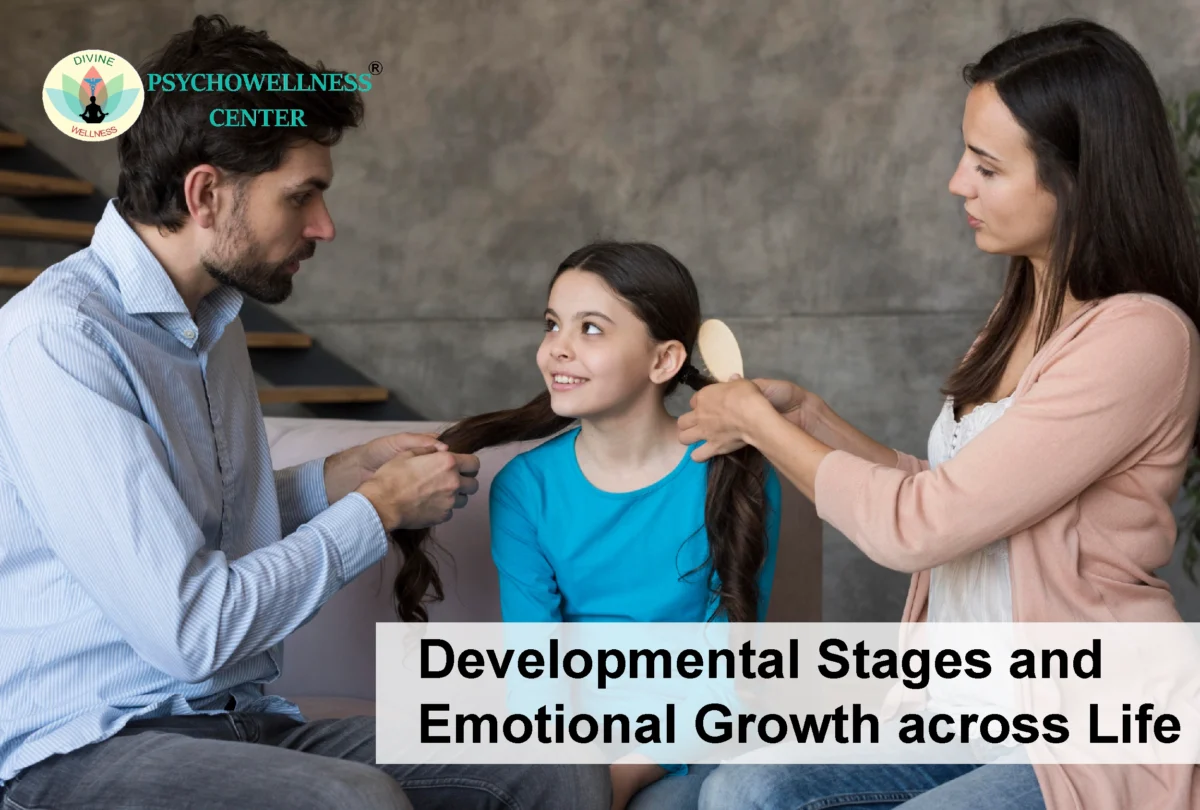
Emotional growth is a lifelong journey that evolves alongside physical, cognitive, and social development. From infancy to older adulthood, every stage of life presents unique opportunities and challenges that shape how individuals perceive themselves, interact with others, and respond to life’s experiences. Healthy emotional development allows people to build resilience, adapt to change, and maintain meaningful relationships. However, when developmental needs are unmet or significant life challenges arise, emotional growth may be affected, influencing overall well-being. Understanding the emotional needs associated with each stage of life helps individuals, families, educators, and professionals provide appropriate support that fosters lifelong psychological health.
Early Childhood: Building Emotional Foundations
The early years of life are crucial for the development of emotions. During this period, children learn to recognise emotions, build trust with caregivers, and develop a sense of safety. Positive caring, safe connection, and regular emotional support enable children to understand and express their emotions correctly.
Children exposed to prolonged stress or inconsistent caregiving may find it difficult to regulate their emotions. Early experiences also influence self-confidence, resilience, and future interpersonal relationships. Encouraging emotional expression, age-appropriate communication, and supportive parenting creates a strong emotional foundation that benefits children throughout life.
School Years and Social Learning
As children enter school, they encounter new environments that promote independence, friendships, and social learning. These experiences shape emotional maturity and interpersonal skills while helping children understand cooperation, empathy, and responsibility.
Some children may experience anxiety related to academic performance, peer relationships, or adapting to new environments. Others may experience emotional difficulties as a result of shifting routines, familial adjustments, or academic demands.. During this period, early identification of emotional concerns and supportive interventions help children build confidence and healthy coping skills.
In order to support healthy psychological development, professionals who work with children and adolescents usually place an emphasis on emotional literacy, communication skills, and resilience-building.
Adolescence: Identity and Emotional Changes
Adolescence is a period of rapid emotional, physical, and social transformation. Teenagers continue to explore their personal identity, independence, values, and future goals while dealing with increased scholastic and social responsibilities.
Hormonal changes, peer influence, and growing responsibilities can sometimes lead to emotional fluctuations or feelings of uncertainty. Difficulty regulating anger or conveying emotions properly can lead to disputes at home, school, or among friends.
Developing healthy emotional control skills during adolescence allows young people to respond more thoughtfully to challenges rather than react impulsively. Parents, teachers, and mental health professionals play an important role in providing guidance, validation, and emotional support during this transitional phase.
Young Adulthood: Managing Change and Responsibilities
Young adulthood often involves major life transitions such as higher education, employment, financial independence, marriage, or career development. While these milestones bring growth opportunities, they may also create emotional challenges.
Some individuals experience adjustment disorder when they find it difficult to cope with significant life changes or stressful transitions. After a major life event, symptoms may include melancholy, irritation, concern, difficulty concentrating, or emotional overwhelm.
Developing supportive routines, maintaining healthy relationships, and seeking guidance when needed can ease adjustment and promote emotional resilience during this stage.
Adulthood: Balancing Multiple Roles
Adulthood requires individuals to balance careers, family responsibilities, financial commitments, and personal aspirations. Managing multiple responsibilities simultaneously can sometimes affect emotional well-being.
Persistent emotional strain may contribute to loneliness, particularly when individuals become socially isolated due to work demands or caregiving responsibilities. At the same time, maintaining a healthy relationship with family, friends, and colleagues provides emotional support and enhances overall well-being.
Practising effective communication, self-care, and emotional awareness helps adults maintain healthier relationships while navigating everyday responsibilities more effectively.
Emotional Challenges Across the Lifespan
Although every stage of life presents unique developmental tasks, emotional challenges can arise at any age. Experiences such as illness, loss, family conflict, academic pressure, workplace stress, or unexpected life events may significantly influence emotional health.
Repeated exposure to emotional abuse can affect self-esteem, emotional security, and interpersonal functioning across childhood and adulthood. Individuals who experience emotional neglect or psychological harm may struggle with trust, confidence, or emotional expression later in life.
In certain instances, persistent emotional challenges may exacerbate symptoms related to psychological counseling in Delhi, where expert assistance aids people in comprehending emotional patterns and creating more constructive coping mechanisms. Early assistance frequently keeps emotional issues from getting worse over time.
Building Emotional Resilience
Emotional growth is strengthened by developing healthy coping strategies that support resilience throughout life. Learning to understand emotions, manage difficult situations, and seek support when needed promotes long-term psychological well-being.
Practising mindfulness can help individuals become more aware of their thoughts, emotions, and physical sensations without reacting impulsively. Mindfulness techniques such as deep breathing, grounding exercises, meditation, and reflective journaling can improve emotional awareness while reducing emotional distress.
Developing realistic personal goals also contributes to emotional growth. Effective goal-setting encourages individuals to approach challenges gradually, celebrate progress, and maintain motivation despite setbacks. Small, achievable goals often build confidence and foster a sense of accomplishment.
The Importance of Professional Guidance
Professional counselling provides valuable support for individuals experiencing emotional difficulties at different developmental stages. Therapy helps people understand emotional patterns, improve coping skills, strengthen communication, and develop healthier emotional responses.
Many individuals seek counselling in Delhi to manage emotional challenges arising from life transitions, family concerns, or developmental changes. Experienced professionals provide individualised support that considers each person’s age, experiences, and emotional needs.
Individuals searching for the Best Psychologists in Delhi can access evidence-based psychological services that promote emotional well-being across all stages of life. Professional guidance helps individuals improve resilience, emotional awareness, and interpersonal functioning while supporting healthy psychological development.
Delhi’s Janakpuri and Dwarka Sector 17 offer professional counseling services. For appointments and expert advice, anyone in need of emotional help can call 011-47039812 or 7827208707.
Encouraging Lifelong Emotional Growth
Emotional development does not stop after childhood or adolescence. Every stage of life offers opportunities to learn, adapt, and strengthen emotional well-being. Building emotional resilience requires self-awareness, supportive relationships, healthy coping strategies, and the willingness to seek help when necessary.
Families, schools, workplaces, and communities all contribute to emotional growth by creating environments where individuals feel safe, valued, and understood. With appropriate support, emotional challenges can become opportunities for personal growth and greater psychological resilience.
Conclusion
Emotional growth is a continuous process that evolves throughout every stage of life. From childhood to older adulthood, each developmental phase presents unique emotional experiences that shape personality, relationships, and overall well-being. Recognising emotional needs early and addressing challenges with healthy coping strategies can promote resilience and lifelong psychological health.
Professional support through TalktoAngel and Psychowellness Center enables individuals to better understand emotional development, strengthen coping skills, and navigate life transitions with confidence. Seeking guidance at the right time can make a meaningful difference in emotional well-being and personal growth.
Contributions: Dr. R.K. Suri, Clinical Psychologist, and Ms. Mahima Mathur, Counselling Psychologist
References
https://www.psychowellnesscenter.com/Blog/guide-to-handle-developmental-delays-in-children/
https://www.psychowellnesscenter.com/Blog/emotional-milestones-in-identity-formation/
https://www.psychowellnesscenter.com/Blog/guide-to-handle-developmental-delays-in-children/
https://www.psychowellnesscenter.com/service-dvelopmental-delay-in-delhi/
American Psychiatric Association. Diagnostic and Statistical Manual of Mental Disorders (5th ed.). American Psychiatric Publishing.
World Health Organization. Mental Health: Strengthening Our Response. https://www.who.int/news-room/fact-sheets/detail/mental-health-strengthening-our-response
TalktoAngel. Mental Health and Counselling Services. https://www.talktoangel.com
Psychowellness Center. Mental Health Blogs. https://www.psychowellnesscenter.com/Blog