
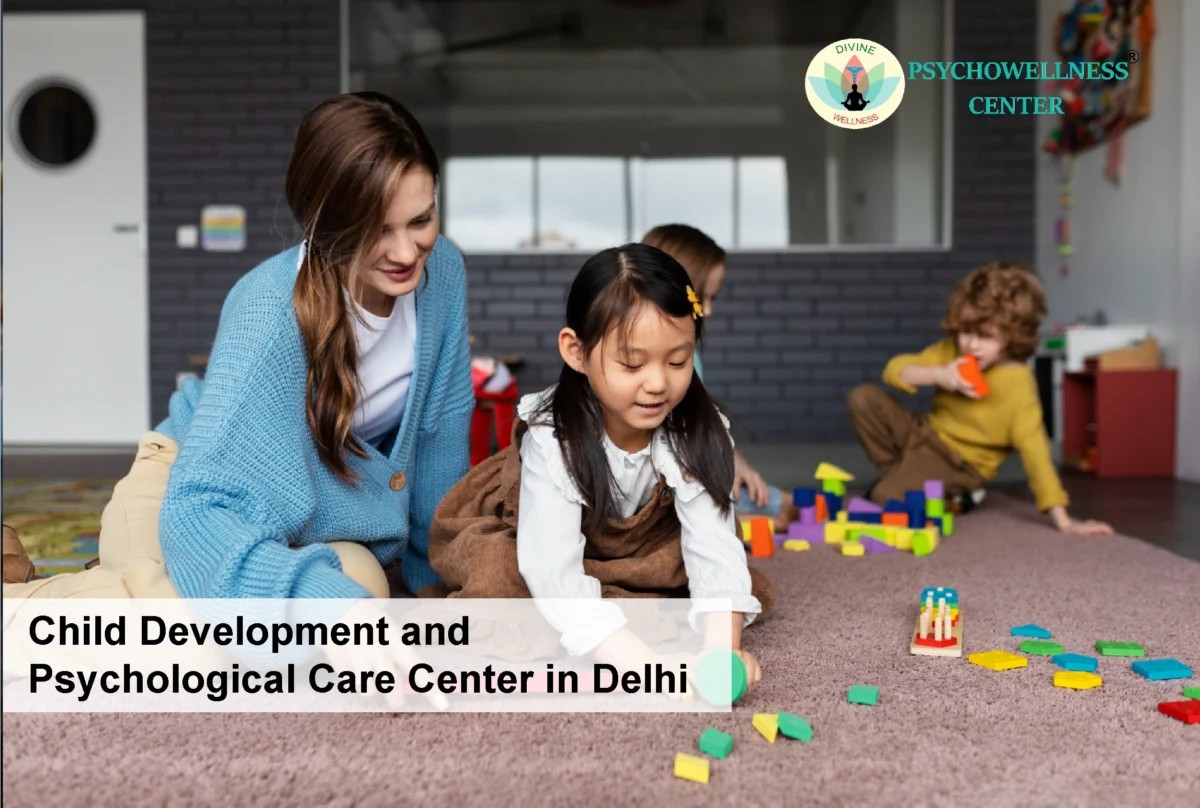
Childhood is a crucial stage of life during which emotional, cognitive, social, and behavioral foundations are established. Every child grows and develops at a unique pace, influenced by their family environment, education, life experiences, and individual temperament. While occasional emotional or behavioural difficulties are a normal part of growing up, persistent concerns may interfere with a child’s ability to learn, interact with others, and enjoy daily life. Timely psychological support helps children overcome challenges, develop resilience, and build the emotional skills needed for healthy development. With increasing awareness of mental health, specialised child development and psychological care services have become valuable resources for families seeking guidance and professional support.
Understanding Child Development
Healthy development extends beyond physical growth. It includes emotional maturity, communication skills, problem-solving abilities, social interaction, and behavioural regulation. During different developmental stages, children learn to understand themselves and the world around them. However, various internal and external factors can influence this process.
Academic expectations, family transitions, peer relationships, and changing environments may contribute to stress in children. While moderate stress can motivate learning and adaptation, prolonged emotional strain may affect behaviour, concentration, and emotional well-being. Recognising these concerns early allows parents and caregivers to provide timely support before they become more significant.
Emotional and Behavioural Challenges
Children often express emotional difficulties through behaviour rather than words. Irritability, withdrawal, frequent crying, refusal to attend school, aggression, or sudden changes in behavior may indicate underlying emotional concerns.
Some children experience anxiety when adjusting to new situations, meeting academic expectations, or interacting with peers. Others may develop persistent sadness or lose interest in activities they once enjoyed, which can be associated with depression. Emotional difficulties do not always appear the same in every child, making careful observation and professional assessment important.
Major life changes such as moving to a new city, changing schools, parental separation, or the arrival of a sibling may contribute to adjustment disorder, making it difficult for children to cope effectively with change.
The Importance of Emotional Skills
Developing healthy emotional skills during childhood supports long-term psychological well-being. Learning to identify emotions, communicate feelings appropriately, and respond calmly during challenging situations helps children build resilience.
Teaching emotional control begins with helping children recognize what they are feeling and why. Parents who encourage open conversations about emotions create an environment where children feel safe expressing themselves without fear of criticism. Over time, children become more confident in managing frustration, disappointment, and excitement in healthy ways.
Simple techniques such as deep breathing, storytelling, and guided relaxation also encourage mindfulness, helping children become more aware of their thoughts and emotions while improving attention and emotional balance.
Family, Friends, and Social Development
Positive relationships play an essential role in healthy child development. Children learn communication, empathy, cooperation, and conflict resolution through everyday interactions with parents, siblings, teachers, and peers.
Healthy relationship experiences help children develop trust and emotional security. However, misunderstandings, peer conflicts, or communication difficulties may create interpersonal problem patterns that affect both emotional well-being and academic performance.
Some children struggle to make friends or feel accepted in social settings, leading to loneliness and reduced confidence. Early guidance helps children strengthen their social skills, improve communication, and build meaningful friendships that support emotional development.
Building Confidence and Motivation
Confidence develops gradually through encouragement, positive experiences, and opportunities to succeed. When children repeatedly experience criticism, unrealistic expectations, or fear of failure, they may develop low motivation toward learning or participating in activities.’
Encouraging goal-setting through achievable daily tasks allows children to experience success while developing responsibility and independence. Celebrating effort rather than perfection also strengthens self-esteem, helping children believe in their abilities even when facing challenges. Parents and teachers play an important role in creating supportive environments where mistakes are viewed as opportunities for learning rather than reasons for punishment.
Recognising When Professional Support Is Needed
While many emotional and behavioural challenges improve with family support and maturity, some difficulties require professional intervention. Persistent behavioural concerns, emotional withdrawal, frequent emotional outbursts, declining academic performance, or ongoing social difficulties may indicate that a child could benefit from psychological care.
A qualified mental health professional can evaluate developmental concerns, emotional functioning, behavioural patterns, and family dynamics to create an individualized support plan. Early assessment and intervention often prevent minor concerns from developing into more significant emotional or behavioural difficulties later in life.
How Psychological Care Supports Children
Psychological care is designed to help children understand their emotions, strengthen coping abilities, and improve their overall well-being. Rather than focusing only on behavioural concerns, psychologists work to identify the underlying emotional, cognitive, or environmental factors influencing a child’s development.
Therapy sessions are tailored to the child’s age, personality, and individual needs. Younger children may benefit from play-based interventions, storytelling, creative activities, and behavioural techniques, while older children and adolescents may participate in structured counselling sessions that encourage self-expression, emotional awareness, and practical problem-solving. Parents are also actively involved in the therapeutic process so that positive changes continue at home and in everyday situations.
Supporting Parents and Families
The family environment has a lasting influence on a child’s emotional and psychological growth. Parents often seek professional guidance when they notice changes in behaviour, academic performance, or social interactions. Counselling enables caregivers to better grasp developmental milestones, increase communication, and respond to behavioral issues in positive ways.
Family guidance also focuses on creating consistent routines, encouraging positive discipline, and strengthening emotional connections. Learning healthy communication strategies helps reduce misunderstandings while promoting cooperation and emotional security within the household. These supportive practices contribute to healthier development throughout childhood and adolescence.
Benefits of Early Intervention
Addressing emotional or developmental concerns early often leads to better long-term outcomes. Children who receive timely psychological support are more likely to develop healthy coping strategies, stronger communication skills, and greater emotional resilience.
Early intervention can improve emotional regulation, academic engagement, social confidence, and problem-solving abilities. It also reduces the likelihood that emotional difficulties will interfere with future educational, personal, or social development. As children grow, these skills become valuable tools for managing everyday challenges and adapting successfully to new experiences. Professional guidance also empowers parents with practical strategies they can use to support their child’s emotional growth consistently at home.
Professional Psychological Services in Delhi
Families seeking comprehensive child mental health services can benefit from experienced professionals who specialise in child development, behavioural concerns, emotional well-being, and family guidance. Those searching for the best Child counselor near me often seek support for behavioural challenges, emotional regulation, school-related concerns, developmental difficulties, and social adjustment.
Comprehensive psychological counselling in Delhi provides evidence-based assessments and therapeutic interventions that support emotional, behavioural, and cognitive development. Working with an experienced psychologist in Delhi enables children and families to better understand emotional concerns while developing practical strategies for long-term well-being.
The best child psychologists in Delhi is available for children, adolescents, and families experiencing developmental, emotional, behavioural, or educational challenges. Services are provided in Janakpuri, Delhi, and Dwarka Sector 17, Delhi For appointments or further information, families may contact 011-47039812 or 7827208707. Early consultation can help children receive timely care and build a strong foundation for lifelong emotional health.
Encouraging Lifelong Emotional Growth
Supporting children’s emotional development is an ongoing process that extends beyond resolving immediate concerns. Encouraging curiosity, resilience, empathy, responsibility, and healthy communication helps children become confident individuals capable of managing life’s challenges.
Parents, teachers, and mental health professionals each play an essential role in nurturing emotional intelligence and promoting positive development. By providing children with a safe environment where they feel heard, respected, and supported, adults help them develop the confidence needed to navigate relationships, education, and future responsibilities successfully.
Every child possesses unique strengths and potential. With appropriate guidance and psychological support, children can overcome challenges, build resilience, and continue developing into emotionally healthy and confident adults.
Conclusion
Healthy child development involves much more than physical growth. Emotional well-being, social skills, behavioural regulation, and supportive relationships all contribute to a child’s overall development. Recognising emotional or behavioural concerns early and seeking appropriate professional support can significantly improve a child’s quality of life while strengthening family relationships.
Professional mental health services provide children and families with the tools needed to manage challenges, enhance emotional resilience, and encourage healthy development across every stage of childhood. TalktoAngel and Psychowellness Center remain committed to providing compassionate, evidence-based psychological care that supports children, adolescents, and families in achieving lasting emotional well-being. You can also learn more about self-improvement, emotional well-being, and mindfulness by exploring educational mental health videos on the Psychowellness Center YouTube Channel.
Contributions: Dr. R.K. Suri, Clinical Psychologist, and Ms. Mahima Mathur , Counselling Psychologist
References
- American Academy of Pediatrics. (n.d.). Healthy mental and emotional development in children.
- American Psychiatric Association. (n.d.). Diagnostic and Statistical Manual of Mental Disorders (5th ed., text rev.).
- Berk, L. E. (n.d.). Development Through the Lifespan.
- Centers for Disease Control and Prevention. (n.d.). Child Development Basics.
- Piaget, J. (n.d.). The Psychology of the Child.
- World Health Organization. (n.d.). Adolescent and Child Mental Health.
- Psychowellness Center. (n.d.). Mental Health Blogs. https://www.psychowellnesscenter.com/Blog
- TalktoAngel. (n.d.). Child and Adolescent Counselling Services. https://www.talktoangel.com