
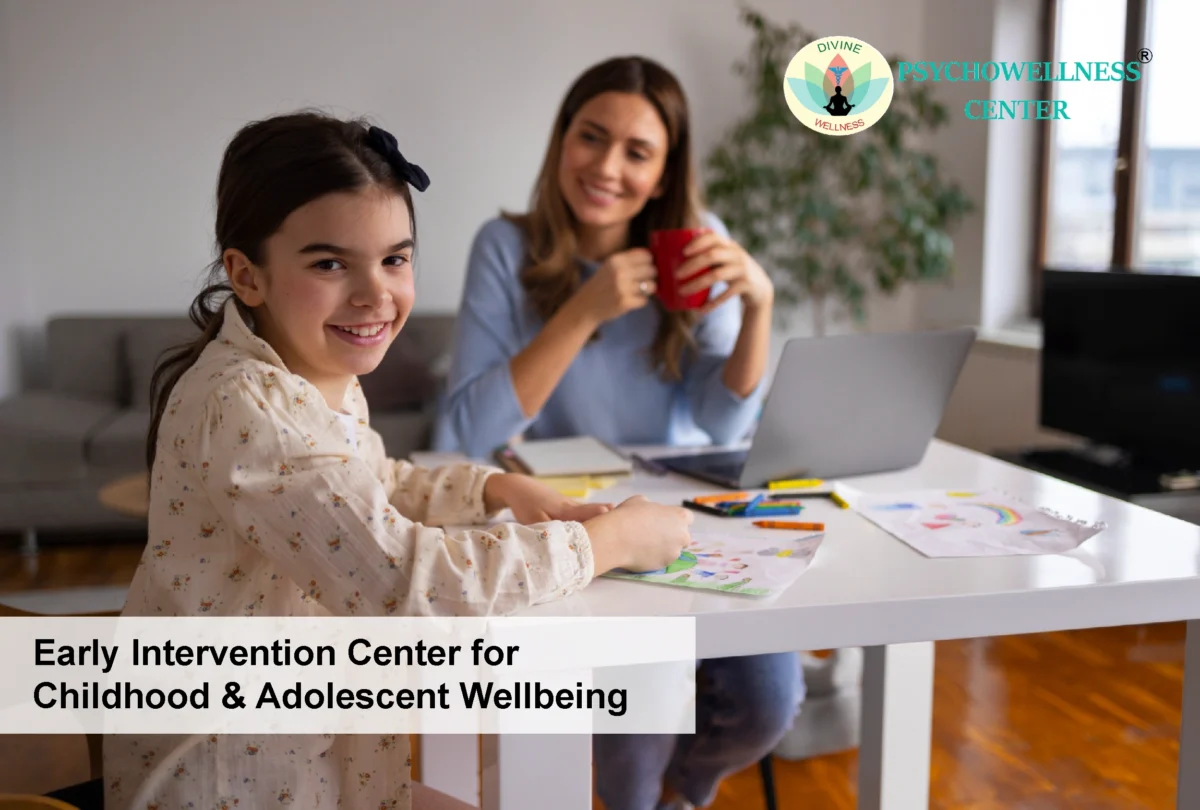
Childhood and adolescence are important stages of life that shape an individual’s emotional, cognitive, behavioural, and social development. During these years, children acquire essential life skills, develop their personalities, and learn how to interact with the world around them. While every child develops at a unique pace, some may encounter developmental, emotional, or behavioural challenges that require additional support. Identifying these concerns early and providing timely intervention can significantly improve long-term outcomes. Early psychological care not only helps children overcome present difficulties but also equips them with the skills needed to thrive throughout adolescence and adulthood.
Understanding the Importance of Early Intervention
Early intervention refers to identifying and addressing developmental, emotional, behavioural, or psychological concerns before they become more severe. Children often express distress through changes in behaviour, communication, or academic performance rather than verbally explaining how they feel. Recognising these early signs allows parents, teachers, and mental health professionals to provide timely support.
Many children experience stress as they adapt to changing academic expectations, family circumstances, or social environments. While occasional stress is a normal part of development, persistent emotional strain may interfere with learning, behaviour, and emotional well-being. Early intervention helps children develop effective coping skills before emotional concerns begin affecting multiple areas of their lives.
Recognising Emotional and Behavioural Concerns
Children communicate emotions differently from adults. Some may become withdrawn, while others display irritability, defiance, or frequent emotional outbursts. Behavioural changes often provide valuable clues about underlying emotional needs.
Some children develop anxiety related to school performance, peer interactions, or unfamiliar situations. Others may experience prolonged sadness, loss of interest in favourite activities, or social withdrawal associated with depression. These emotional concerns may influence concentration, sleep, appetite, and overall functioning if left unaddressed.
Significant life changes, including relocation, parental separation, changing schools, or the loss of a loved one, may contribute to adjustment disorder, making it difficult for children to adapt to new situations without additional support.
Emotional Skills Build Lifelong Resilience
Learning how to recognise and regulate emotions is an essential part of healthy development. Children who receive guidance in understanding their feelings are often better equipped to manage challenges as they grow older.
Developing emotional control helps children respond calmly during frustrating situations instead of reacting impulsively. Parents and caregivers can encourage emotional awareness by validating children’s feelings, modelling healthy coping strategies, and maintaining open communication.
Simple practices such as breathing exercises, guided relaxation, and age-appropriate meditation can introduce mindfulness, helping children become more aware of their thoughts and emotional responses while improving concentration and self-regulation.
Family, School, and Social Connections
A child’s emotional well-being is greatly influenced by relationships with family members, teachers, and peers. Positive interactions create a sense of safety, belonging, and confidence, whereas ongoing conflicts may contribute to emotional distress.
Children who have healthy relationships are better able to communicate effectively, develop empathy, and build trust. However, unresolved interpersonal problem situations with classmates, siblings, or adults may lead to frustration, avoidance, or behavioural difficulties.
Some children also experience loneliness, particularly if they struggle to make friends, participate in group activities, or adjust to new environments. Early support can strengthen social skills and encourage positive peer interactions that promote emotional growth.
Supporting Confidence During Development
Encouragement, positive reinforcement, and chances to succeed help children develop confidence. Repeated criticism, unrealistic expectations, or fear of making mistakes may reduce confidence and enthusiasm for learning.
Some children develop low motivation toward schoolwork or extracurricular activities when they feel overwhelmed or discouraged. Others may become easily frustrated and express anger when they encounter challenges they cannot immediately solve.
Encouraging children to celebrate effort rather than perfection helps strengthen self-esteem, allowing them to view mistakes as opportunities for learning rather than evidence of failure. Supportive guidance from parents and educators creates an environment where children feel secure enough to explore, learn, and grow.
When Should Parents Seek Professional Guidance?
While occasional behavioural changes are a normal part of development, persistent emotional or behavioural concerns should not be ignored. If a child consistently struggles with emotional regulation, social interaction, academic performance, or behavioural challenges despite family support, professional assessment can help identify underlying factors contributing to these difficulties.
Early psychological evaluation provides valuable insight into a child’s strengths, developmental needs, and emotional functioning. Timely intervention often prevents concerns from becoming more complex while supporting healthier emotional and behavioural development.
Psychological Assessment and Individualized Care
Every child has unique strengths, abilities, and developmental needs. Therefore, psychological care begins with a comprehensive assessment that explores emotional, behavioural, cognitive, social, and developmental functioning. Through interviews, behavioural observations, standardized assessments, and collaboration with parents and teachers, psychologists develop a clear understanding of the child’s needs before creating an individualized intervention plan.
Therapeutic approaches vary according to the child’s age and presenting concerns. Younger children often benefit from play therapy, behavioural therapy, art-based activities, and storytelling, while adolescents may participate in structured counselling sessions that encourage emotional expression, problem-solving, and healthy coping skills. Parents are actively involved throughout the therapeutic process to ensure that positive behavioural changes continue beyond the counselling sessions.
The Role of Parents and Schools
Successful early intervention depends on collaboration between families, schools, and mental health professionals. Children spend a significant portion of their lives at home and in school, making these environments essential for emotional development.
Parents who maintain consistent routines, encourage open communication, and provide emotional reassurance create a secure environment where children feel comfortable expressing themselves. Teachers also contribute by recognising behavioural changes, providing academic support, and communicating concerns with families when necessary.
When caregivers and educators work together, children receive consistent guidance that reinforces emotional regulation, social development, and positive behavioural patterns across different settings.
Benefits of Early Psychological Support
Providing psychological support during childhood and adolescence offers long-term benefits that extend well into adulthood. Early intervention helps children develop emotional resilience, healthy coping mechanisms, stronger communication skills, and greater confidence when facing life’s challenges.
Children who receive prompt psychological care are frequently better equipped to control their emotions, make deep friendships, adjust to changing situations, and succeed academically. Early support also reduces the likelihood that emotional or behavioural concerns will interfere with future educational, occupational, or interpersonal functioning.
Rather than waiting for problems to become severe, early intervention focuses on building strengths while addressing concerns before they significantly affect a child’s quality of life.
Professional Child and Adolescent Psychological Services
Families seeking professional support for emotional, behavioural, or developmental concerns can benefit from experienced mental health professionals who specialize in childhood and adolescent care. Parents searching for the best Child counselor near me often seek guidance for behavioural difficulties, emotional regulation, learning concerns, social challenges, and developmental issues.
Comprehensive psychological counselling in Delhi provides evidence-based assessments and individualized therapeutic interventions designed to promote healthy emotional, behavioural, and cognitive development. Working with an experienced psychologist in Delhi enables families to better understand their child’s emotional needs while developing practical strategies that support long-term well-being.
Professional counselling in Delhi is available for children, adolescents, and families experiencing emotional, behavioural, educational, or developmental concerns. Janakpuri, Delhi, and Dwarka Sector 17, Delhi, offer services. Families can call 011-47039812 or 7827208707 for appointments or further information. Seeking professional guidance at the earliest signs of concern can help children achieve healthier developmental outcomes and greater emotional well-being.
Building a Strong Foundation for the Future
Childhood and adolescence provide valuable opportunities for learning emotional awareness, resilience, communication, and healthy coping skills. When emotional or behavioural challenges are identified early, children are more likely to develop confidence, independence, and positive social relationships as they mature.
Parents, teachers, and mental health professionals all play an important role in supporting healthy development by fostering understanding, encouragement, and emotional security. By focusing on each child’s unique strengths while addressing areas of concern, early intervention creates a strong foundation for lifelong psychological well-being and personal growth.
Conclusion
Early intervention is one of the most effective ways to support the emotional, behavioural, and developmental well-being of children and adolescents. Identifying concerns early and providing evidence-based psychological care allows children to build resilience, strengthen emotional skills, and reach their full potential in both personal and academic settings.
Professional support not only benefits children but also empowers parents and caregivers with practical strategies to nurture healthy development. Organizations such as TalktoAngel and Psychowellness Center remain committed to providing compassionate, evidence-based mental health services that promote emotional well-being, resilience, and lifelong growth for children, adolescents, and their families.
Contributions: Dr. R.K. Suri, Clinical Psychologist, and Mr. Harshit, Counselling Psychologist
References
https://www.psychowellnesscenter.com/service-child-adolescent/
American Academy of Pediatrics. (n.d.). Mental health initiatives for children and adolescents.
American Psychiatric Association. (n.d.). Diagnostic and Statistical Manual of Mental Disorders (5th ed., text rev.).
Psychowellness Center. (n.d.). Mental Health Blogs. https://www.psychowellnesscenter.com/Blog
TalktoAngel. (n.d.). Child and Adolescent Counselling Services. https://www.talktoangel.com/area-of-expertise/child-counselling