
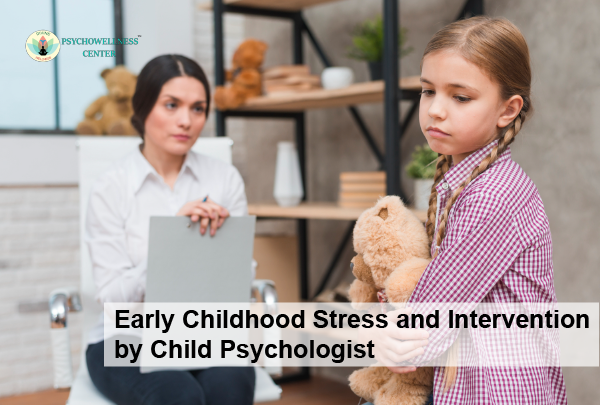
Childhood is often seen as a carefree phase of life, filled with play, curiosity, and growth. However, children are not immune to stress. Even at a very young age, they can experience emotional and psychological strain that affects their development and well-being. Early childhood stress, if left unaddressed, can have long-term consequences on a child’s mental, emotional, and social health.
Understanding the sources of stress in children and the importance of timely intervention by a child psychologist is crucial in ensuring healthy development. With the right support, children can learn to cope effectively and build resilience for the future.
What is Early Childhood Stress?
Early childhood stress refers to the emotional and physiological responses children experience when they face challenges or demands that exceed their coping abilities. While some level of stress is normal and even beneficial for growth, excessive or prolonged stress can become harmful. Children may not always have the language to express what they feel, so stress often shows up through behaviour rather than words.
Common Causes of Stress in Children
- Family Environment:– The family is a child’s primary support system. Conflicts between parents, separation, inconsistent parenting, or lack of emotional support can create feelings of insecurity and anxiety in children.
- Academic Pressure:- Even at a young age, children may feel pressure to perform well in school. Expectations related to learning, competition, or comparison can lead to stress and fear of failure.
- Changes and Transitions:- Major life changes such as moving to a new place, starting school, the birth of a sibling, or the loss of a loved one can be overwhelming for children.
- Social Challenges:- Bullying, having trouble establishing friends, or feeling left out can all harm a child’s emotional health.
- Exposure to Digital Media:- Excessive screen time and exposure to inappropriate content can overstimulate children and contribute to emotional dysregulation.
Signs of Stress in Children
Children express stress differently depending on their age and personality. Some common signs include:
- Increased irritability or frequent tantrums
- Withdrawal from activities or social interaction
- Changes in sleep patterns
- Difficulty concentrating
- Physical complaints like stomach aches or headaches
- Regression in behaviour (e.g., bedwetting, clinginess)
Recognizing these signs early is essential for timely intervention.
Impact of Early Childhood Stress
If not addressed, prolonged stress can affect multiple aspects of a child’s development:
- Emotional Development:- Chronic stress can make it difficult for children to regulate their emotions, leading to heightened anxiety, fear, or sadness.
- Cognitive Development:- Stress can impair concentration, memory, and learning abilities, affecting academic performance.
- Behavioural Issues:- Children may develop aggressive, oppositional, or avoidant behaviours as a way of coping with stress.
- Long-Term Mental Health Risks:- Unmanaged stress in early years increases the risk of mental health concerns such as depression, anxiety disorders, and low motivation later in life.
Role of a Child Psychologist in Early Intervention
Child psychologists are trained professionals who understand the emotional and developmental needs of children. Early intervention can make a significant difference in how children cope with stress and challenges.
- Assessment and Understanding:- A child psychologist assesses the child’s behaviour, emotional state, and environment to identify the root cause of stress. This helps in creating a clear and accurate understanding of the child’s needs.
- Providing a Safe Space:- Children often find it easier to express themselves through play, art, or storytelling rather than direct conversation. Psychologists create a safe and supportive environment where children feel comfortable sharing their feelings.
- Teaching Coping Skills:- Through therapeutic techniques, children learn how to manage their emotions, handle stress, and respond to challenges in a healthy way.
- Supporting Emotional Regulation:- Intervention helps children develop better emotion control, reducing impulsive reactions and improving overall behaviour.
Working with Parents and Families
Child psychologists also guide parents on how to support their child effectively. This may include:
- Improving communication
- Creating consistent routines
- Using positive reinforcement
- Managing family dynamics
Parental involvement is key to successful intervention.
Therapeutic Approaches Used for Children
Child psychologists use a variety of evidence-based techniques tailored to the child’s age and needs:
- Play Therapy:- Play therapy allows children to express emotions through play, helping them process experiences naturally and comfortably.
- Cognitive Behavioural Therapy (CBT):- CBT helps children identify negative thought patterns and replace them with healthier ones.
- Art and Creative Therapy:- Drawing, painting, and storytelling help children communicate feelings they may not be able to verbalize.
- Mindfulness Techniques:- Simple breathing exercises and relaxation techniques help children manage anxiety and improve focus.
Role of Parents in Managing Childhood Stress
In order to assist their child’s mental health, parents are essential.
- Create a Safe and Supportive Environment:- Ensure that children feel loved, heard, and understood.
- Encourage Open Communication:– Allow children to express their feelings without fear of judgment.
- Maintain Routine and Structure:- Consistency provides a sense of security and stability.
- Limit Screen Time:- Encourage activities that promote creativity and physical movement.
- Be a Positive Role Model:- Children learn by observing. Managing your own stress effectively sets a strong example.
When to Seek Professional Help
It is important to seek help from a child psychologist if:
- Stress symptoms persist over time
- Behaviour changes significantly
- The child struggles with daily functioning
- Emotional distress affects school or relationships
Early intervention can prevent minor concerns from becoming serious issues.
Support from Psychowellness Center
The Psychowellness Center offers specialised services for children experiencing emotional and behavioural challenges. With a team of experienced child psychologists, the center provides a safe and nurturing environment where children can explore their feelings and develop healthy coping mechanisms.
Key Services Include:
- Child and adolescent counselling
- Behavioural assessments and interventions
- Play therapy and CBT-based approaches
- Parent guidance and family counselling
The professionals at Psychowellness Center focus on holistic development, ensuring that both the child and family receive the support they need.
Conclusion
Early childhood stress is a real and significant concern that can impact a child’s overall development if left unaddressed. However, with timely intervention and the right support, children can learn to manage their emotions, build resilience, and thrive.
Child psychologists play a vital role in identifying stress, addressing underlying issues, and guiding children toward healthier emotional development. At the same time, parents and caregivers must create a supportive and understanding environment.
For families seeking expert guidance, Psychowellness Center offers access to a highly experienced child psychologist in Delhi and is widely regarded as a trusted option for those looking for the best child psychologist in Delhi or child counselling near me. Their team provides personalized care tailored to each child’s emotional and developmental needs, ensuring effective early intervention and long-term well-being. Those interested can visit their centres in Dwarka and Janakpuri, New Delhi, or reach out at 011-47039812 / 7827208707 for further assistance.
Additionally, the Psychowellness Center YouTube page features informative videos that help parents better understand children’s emotional and developmental challenges, including insights on stress, developmental delays, and trauma, along with guidance on timely intervention and support strategies.
With the help of professional services like those offered at Psychowellness Center, children can receive the care and guidance they need to grow into emotionally strong and confident individuals. Investing in a child’s mental health today lays the foundation for a healthier and more balanced future.
Contributions: Dr. R.K. Suri, Clinical Psychologist, and Ms. Riya Rathi , Counselling Psychologist
References
- Shonkoff, J. P., & Garner, A. S. (2012). The lifelong effects of early childhood adversity and toxic stress. Pediatrics, 129(1), e232–e246. https://doi.org/10.1542/peds.2011-2663
- National Scientific Council on the Developing Child. (2014). Excessive stress disrupts the architecture of the developing brain (Working Paper No. 3). Harvard University. https://developingchild.harvard.edu/resources/wp3/
- American Psychological Association. (2020). Building your resilience. https://www.apa.org/topics/resilience