
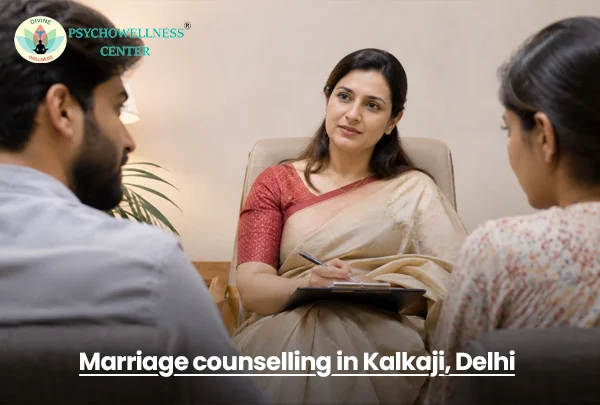
Marriage is a partnership that develops through communication, shared experiences, mutual respect, and the ability to navigate differences. However, changing responsibilities, family expectations, financial concerns, and unresolved disagreements can sometimes create distance between partners. When conversations repeatedly turn into arguments or important concerns remain unaddressed, it may become difficult to restore understanding independently. Marriage counselling offers a supportive setting where couples can explore their concerns, recognise recurring patterns, and work towards practical solutions. For couples in Kalkaji, Delhi, professional guidance can provide an opportunity to improve communication, rebuild trust, and develop healthier ways of managing challenges together.
Why Do Couples Seek Professional Guidance?
Every marriage goes through periods of adjustment. Differences in expectations, household responsibilities, parenting decisions, or personal priorities can lead to misunderstandings. While occasional disagreements are common, unresolved concerns may gradually affect emotional security and satisfaction within the relationship.
Handling daily pressures becomes especially important when professional responsibilities, financial uncertainty, and family commitments leave little time for meaningful conversations. When partners feel overwhelmed, they may become impatient, withdraw emotionally, or struggle to communicate their needs clearly.
Professional guidance can help couples understand the reasons behind recurring disagreements and identify changes that may improve their interactions. Rather than focusing on who is right or wrong, the process encourages both partners to explore their perspectives and work towards realistic solutions.
How Can Counselling Improve Married Life?
Marriage counselling helps partners examine their communication patterns, understand each other’s expectations, and develop practical strategies for managing relationship conflict. The therapist may encourage structured conversations, reflective listening, and collaborative problem-solving based on the couple’s needs.
Building Better Communication
Strengthening interpersonal connections involves expressing concerns respectfully and listening to a partner without immediately becoming defensive. Couples may learn to discuss difficult topics using clear statements about their feelings and needs rather than criticism or blame.
For example, explaining that a particular situation feels overwhelming may encourage a more constructive discussion than making general accusations. Over time, these communication skills can help reduce misunderstandings and improve cooperation.
Restoring Emotional and Physical Closeness
Building deeper emotional closeness requires trust, empathy, affection, and a willingness to understand each other’s experiences. Emotional distance may develop when partners feel neglected, unappreciated, or unable to discuss sensitive subjects openly.
Relationship issues counselling can create opportunities to explore these concerns and identify ways to reconnect. Depending on the couple’s preferences, discussions may include affection, physical intimacy, differences in expectations, and the importance of emotional safety.
Managing Conflict Constructively
Repeated arguments can create a pattern in which one partner becomes increasingly vocal while the other withdraws. Both may feel unheard, even when they want the relationship to improve.
Learning anger regulation strategies can help partners recognise emotional triggers, pause before responding, and express frustration without insults or intimidation. Couples may also agree to take a short break during heated discussions and return to the issue when they are calmer.
Creating Respectful Boundaries
Establishing healthier relational patterns involves identifying behaviours that undermine trust or emotional safety. These may include persistent criticism, controlling decisions, dismissing concerns, or repeatedly disregarding personal boundaries.
A therapist can help couples examine these behaviours and discuss appropriate changes. However, when a relationship involves abuse, coercion, or fear, individual support and safety planning may be more appropriate than joint counselling.
What Can Couples Do When They Feel Disconnected?
Emotional distance does not always develop after one major disagreement. It may emerge gradually through busy schedules, limited communication, unresolved resentment, or a lack of shared activities.
Developing meaningful social connections can help individuals maintain friendships and support systems outside their marriage. Healthy relationships with friends and family can complement a partnership rather than replace the need for mutual care between spouses.
Couples may also benefit from setting aside time for conversations without phones or other distractions. Discussing daily experiences, sharing responsibilities, and acknowledging each other’s efforts can help rebuild a sense of connection.
Practising mindful awareness techniques may encourage partners to pay attention to their emotions and reactions before responding during disagreements. Simple practices such as taking a few steady breaths or listening without interrupting can support more thoughtful conversations.
Navigating relationship endings may include dealing with sadness, acclimating to new routines, and making choices regarding money, parenting, or family obligations if partners want to split up. Professional support can help individuals approach these changes with greater clarity and emotional support.
How to Choose a Suitable Marriage Counsellor in Kalkaji
When selecting a professional, one must take into account their credentials, experience working with couples, therapeutic approach, confidentiality policies, and availability. A suitable counsellor should provide a respectful environment where both partners can discuss their concerns without feeling dismissed or unfairly judged.
When searching for Couples Counselling near me or Marriage Counselling near me, couples can consider the following factors:
- Relevant experience: Ask about the professional’s experience with marital disagreements, communication concerns, trust difficulties, or intimacy-related issues.
- Therapeutic approach: Understand how sessions are structured and whether the approach fits the couple’s goals.
- Confidentiality: Discuss how personal information is handled and what the boundaries of confidentiality are.
- Comfort and impartiality: Both partners should have an opportunity to express their perspectives.
- Practical arrangements: Consider appointment schedules, fees, travel requirements, and the availability of online sessions.
Psychowellness Center offers face-to-face counselling at its Janakpuri and Dwarka branches in Delhi, along with online counselling options. Couples in Kalkaji can explore the format that best suits their needs, preferences, and circumstances.
10 Counsellors Worth Knowing
The following professionals are associated with psychological and counselling services. Their backgrounds cover different areas of mental health and family support. Couples should review their profiles and enquire about suitability for adult marital counselling before booking a session.
- Dr. R.K. Suri – With more than 40 years of expertise, the founder and clinical psychologist has worked with emotional, developmental, and child and adolescent issues.
- Mrs. Kala Sengupta – With more than 35 years of experience in both medical and social psychology, this clinical psychologist helps families dealing with emotional and behavioural issues.
- Ms. Sakshi Dhankhar – A counselling psychologist with training in rehabilitation psychology provides families and kids with organised coping mechanisms.
- Mr. Utkarsh Yadav – A counselling psychologist with psychology training and an MBA background, focused on practical, goal-oriented guidance.
- Dr. Karuna Singh – With 25 years of experience, the psychotherapist uses structured approaches to help families address emotional and behavioural concerns.
- Ms. Suchita Bharat Thakkar – A Counselling Psychologist and Hypnotherapist with 8 years of experience, specialising in anxiety, depression, addiction, self-esteem, phobias, and marital counselling using CBT and hypnotherapy.
- Ms. Parvathy Venugopal – A clinical psychology-trained psychotherapist offering personalised support to build self-awareness, coping skills, and emotional well-being.
- Mrs. Neetu Rathore – A psychologist with twenty-three years of expertise helping people with emotional and behavioural issues.
- Mrs. Mandeep Kaur – 14 years of expertise as a rehabilitation psychologist with an emphasis on long-term skill development and developmental needs.
- Dr. Lekha Murali – Dr. Lekha Murali specialises in stress, depression, trauma, and behavioural concerns, using evidence-based therapies and a compassionate, structured approach to support emotional well-being.
Conclusion
A healthy marriage requires mutual respect, open communication, and teamwork. Professional counselling helps couples resolve conflicts, rebuild trust, and address differences constructively.
Psychowellness Center provides face-to-face counselling at its Janakpuri and Dwarka branches in Delhi, along with online options. You can also learn more about self-improvement and mindfulness and explore educational videos on the Psychowellness Center YouTube Channel.
Frequently Asked Questions
When should couples consider marriage counselling?
Couples may seek counselling when frequent disagreements, communication gaps, trust issues, or emotional disconnection affect their relationship. Seeking support before problems become deeply entrenched may help partners explore constructive solutions.
Can counselling help couples who are considering separation?
Counselling helps partners address concerns, improve communication, and explore possible solutions. Depending on the circumstances, the goal may be to repair the relationship, make informed decisions, or navigate separation respectfully.
Is online marriage counselling available for couples in Kalkaji?
Psychowellness Center offers online counselling options, subject to availability and suitability. Couples can enquire about the process and discuss whether remote sessions meet their needs.
Do both partners need to attend every session?
Joint sessions are often useful because both partners can share their perspectives and practise communication skills. Individual sessions may also be recommended based on the couple’s concerns and the therapist’s assessment.
References
https://www.psychowellnesscenter.com/Blog/giving-importance-to-resolving-marital-conflict/
https://www.psychowellnesscenter.com/Blog/conflict-patterns-addressed-in-couple-counselling/
https://thepsychowellness.com/7-common-marriage-conflicts-how-counselling-resolves-them/
How Can Couples Resolve Marriage Conflicts and Build a Stronger Relationship?
American Association for Marriage and Family Therapy. (n.d.). About marriage and family therapists. https://www.aamft.org/
American Psychological Association. (n.d.). Relationships. https://www.apa.org/topics/relationships
American Psychological Association. (n.d.). Stress. https://www.apa.org/topics/stress
Lebow, J. L., Chambers, A. L., Christensen, A., & Johnson, S. M. (2012). Research on the treatment of couple distress. Journal of Marital and Family Therapy, 38(1), 145–168. https://doi.org/10.1111/j.1752-0606.2011.00249.x
National Institute of Mental Health. (n.d.). Caring for your mental health. https://www.nimh.nih.gov/health/topics/caring-for-your-mental-health
Intimacy – Building deeper emotional closeness
Loneliness – Developing meaningful social connections
Relationship – Strengthening interpersonal connections
Breakup – Navigating relationship endings
Marriage – Nurturing lasting marital bonds
Toxic relationship – Establishing healthier relational patterns
Anger – anger regulation strategies
Mindfulness – Practising mindful awareness techniques