
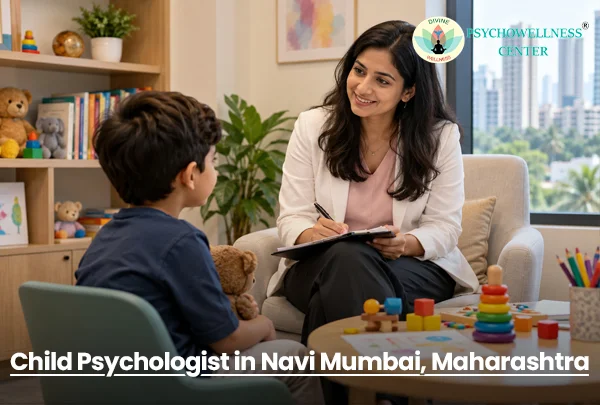
Childhood brings emotional, social, and intellectual changes that may sometimes lead to behavioural or adjustment difficulties. Consulting a child psychologist can help families understand these concerns and support children in developing emotional awareness, communication skills, and confidence in Navi Mumbai, Maharashtra.
Why Is Psychological Support Important for Children?
Children may express distress through irritability, withdrawal, crying, or behavioural changes. Psychological support can help identify underlying concerns and determine whether counselling, developmental assessment, or additional healthcare is needed. For families in Navi Mumbai, timely guidance can help children manage academic, social, and family-related challenges.
When Should Parents Consider Professional Guidance?
Every child develops differently, and occasional emotional or behavioural difficulties are a normal part of growing up. However, persistent changes that interfere with learning, relationships, play, or daily activities deserve attention.
Emotional Worries and Persistent Fears
Children may become worried about examinations, separation from caregivers, making friends, or meeting expectations. Some may repeatedly seek reassurance, avoid unfamiliar situations, or experience physical complaints when feeling overwhelmed.
Emotional worry management can involve helping children identify the situations that trigger their worries, understand their reactions, and gradually develop more helpful coping strategies. If anxiety or depression doesn’t go away or starts to interfere with day-to-day activities, a trained expert can evaluate the issues and suggest suitable assistance. It is not always appropriate to write off persistent emotional symptoms as a fleeting phase.
Behavioural Changes and Emotional Outbursts
Frequent arguments, impulsive behaviour, difficulty following routines, or intense emotional reactions may create challenges at home and school. These behaviours do not necessarily indicate a psychological disorder; they may also reflect developmental needs, environmental changes, communication difficulties, or other underlying concerns.
Managing feelings effectively involves learning to recognise emotions, communicate needs, pause before reacting, and practise appropriate responses. Counselling may help children build these skills while guiding parents towards consistent and supportive responses.
Developmental and Communication Concerns
Some children may experience difficulties with communication, attention, social interaction, learning, or adapting to changes. When developmental differences are suspected, a thorough assessment can help clarify the child’s strengths and areas where support may be beneficial.
Autism spectrum support may include developmental assessment, guidance for caregivers, and recommendations tailored to the child’s communication, sensory, social, and everyday functioning needs. The support plan should be individualised rather than based on assumptions about a diagnosis.
School and Peer-Related Difficulties
Academic pressure, influence from social circles, bullying, friendship conflicts, reluctance to attend school, and difficulties participating in classroom activities can affect a child’s confidence. Parents may notice that their child becomes unusually quiet, avoids discussing school, or shows a sudden change in performance.
Understanding what happens across home and school environments can help identify possible triggers. Where appropriate, collaboration between parents, educators, and mental health professionals can support a more consistent approach.
How Can Counselling Help Children?
Counselling provides a structured, supportive environment where children can explore their experiences and learn skills that suit their age and developmental level. A professional may employ play-based activities, guided chats, behavioural tactics, cognitive behavioural therapy, or parent-focused treatments, depending on the child’s problems.
Psychological support may help children:
- Recognise emotions: Identify feelings and communicate them in appropriate ways.
- Build social skills: Practise listening, sharing, cooperation, and resolving disagreements.
- Improve behavioural responses: Understand triggers and develop constructive alternatives to difficult reactions.
- Manage academic demands: Develop practical routines and coping strategies for school-related challenges.
- Strengthen self-confidence: Recognise personal strengths and approach new experiences with greater confidence.
- Improve family communication: Help caregivers respond to concerns with patience and consistency.
The approach depends on the child’s needs. For younger children, parents or caregivers may participate more directly, while older children and adolescents may also work individually with the professional. Therapy should be adapted to the child and family rather than following the same process for everyone.
How Can Parents Help Their Kids at Home?
The abilities that children acquire via counselling are reinforced in large part by their parents. A supportive environment can help children feel safe enough to communicate their concerns and ask for assistance.
Encourage Honest Conversations
Make time to listen to children without immediately correcting their feelings or behaviour. Open-ended inquiries like “What did you find challenging today?” may help them explain their experiences. Acknowledging feelings does not mean agreeing with every action; it means showing that the child’s experience is being taken seriously.
Create Predictable Daily Routines
Consistent schedules for meals, sleep, schoolwork, recreation, and family time can provide stability. When changes are unavoidable, explain them in advance where possible and allow children time to adjust.
Introduce Simple Relaxation Activities
Drawing, reading, playing outdoors, storytelling, and gentle breathing exercises can give children different ways to express themselves and settle after demanding experiences. Practising mindful awareness techniques through simple activities, such as noticing the breath or identifying sounds in the surroundings, can help children pay attention to the present moment.
These activities should be introduced naturally and without pressure. They are supportive practices rather than substitutes for professional assessment when significant concerns are present.
Encourage Small, Achievable Steps
Children can develop independence by practising age-appropriate responsibilities, making choices, and learning from mistakes. Planning meaningful future targets may involve breaking a school assignment into smaller tasks, preparing for an activity, or gradually practising a skill that feels difficult.
Parents can also teach children ways of handling daily pressures, such as taking breaks, asking for help, organising tasks, and balancing study with play. Recognising effort rather than demanding perfection can make challenges feel more manageable.
How to Choose the Right Professional in Navi Mumbai
Choosing a suitable professional involves looking beyond convenience. Parents should consider qualifications, relevant experience, the child’s specific concerns, and whether the professional’s approach feels appropriate for the family.
When searching for a Child psychologist near me, consider the following factors:
- Qualifications and experience: Check relevant credentials, professional registration where applicable, and experience working with children of a similar age.
- Area of expertise: Ask whether the professional has experience with the concerns that prompted the consultation.
- Assessment approach: Understand how the child’s developmental history, behaviour, and family context will be considered.
- Parent involvement: Clarify how caregivers may participate and support progress at home.
- Confidentiality: Ask how the child’s privacy will be protected and what information may be shared with caregivers.
- Practical arrangements: Consider appointment availability, travel requirements, fees, and whether online sessions are suitable.
A good professional explains the process clearly and avoids making conclusions without an appropriate assessment. Parents should feel comfortable asking questions and discussing any concerns about the proposed support plan.
Psychological Support Through Psychowellness Center
Psychowellness Center offers psychological support for emotional, behavioural, developmental, and interpersonal concerns. Families in Navi Mumbai can explore online counselling sessions with Psychowellness Center, depending on the child’s needs and professional assessment. Online sessions may reduce travel, though some concerns require in-person evaluation or additional healthcare support. Parents can discuss available services to determine a suitable approach.
Who Are the 10 Experienced Counsellors Worth Knowing?
Different children require different kinds of support. The following professionals have been included in this overview to help readers explore the available counselling team and consider whom to contact based on their needs. Current credentials, designations, specialisations, and availability should be verified against the official professional profiles before publication.
- Dr. R.K. Suri – A senior clinical psychologist and psychotherapist with over 40 years of experience. His areas of practice include child and adolescent concerns, cognitive behavioural therapy (CBT), hypnotherapy, psychoanalysis, psychological assessment, and career guidance.
- Mrs. Kala Sengupta – Offers psychological support for individuals experiencing personal and emotional difficulties, helping them explore concerns and consider constructive coping approaches.
- Mr. Kamal Agarwal – Included among the professionals to explore for psychological support; confirm his current designation and specific practice areas before publication.
- Mr. Utkarsh Yadav – His therapeutic approach draws on cognitive behavioural therapy, Gestalt therapy, and person-centred principles to help individuals explore concerns and develop healthier responses.
- Mrs. Sakshi Dhankhar – Provides counselling support for individuals seeking guidance with personal concerns, emotional difficulties, and interpersonal challenges.
- Dr. Sakshi Kochhar – With over 12 years of experience, she works with adolescents and young adults. Her background includes psychotherapy and cognitive behavioural therapy.
- Mrs. Molly George – With more than 30 years of experience, she brings extensive professional experience to psychological support and counselling.
- Mrs. Chanchal Agarwal – She is a counselling psychologist with 6 years of experience in helping and supporting children with behavioural and emotional concerns.
- Mrs. Preeti Somani – An RCI-registered Psychologist and Psychotherapist specialising in couple counselling, marital concerns, divorce support, and co-parenting. She uses evidence-based approaches including CBT, REBT, EFT, and ACT to support emotional, relationship, parenting, and trauma-related concerns.
- Mr. Harpreet Singh – He is a counselling psychologist with 4 years of experience working with children and adolescents.
The most suitable professional depends on the child’s age, presenting concerns, family preferences, and the type of support required. Families should confirm whether the selected professional is currently available for online sessions and experienced in addressing the child’s specific needs.
Conclusion
A child’s emotional well-being plays an important role in learning, relationships, and healthy development. Recognising concerns early and consulting a qualified professional can help parents understand their child’s needs and identify appropriate strategies. Families in Navi Mumbai can explore online counselling sessions with Psychowellness Center to access psychological guidance from home, helping children develop healthier coping skills and greater confidence.
Frequently Asked Questions
At what age can a child benefit from psychological support?
The type of support a child needs may vary with their age, maturity, and individual challenges. A qualified professional can assess the child’s emotional well-being, behaviour, social interactions, and developmental progress to suggest suitable guidance.
What happens during the first counselling session?
The initial session may involve discussing the child’s concerns, developmental history, family environment, and everyday functioning. Depending on the child’s age and needs, the professional may speak with caregivers, interact with the child, or recommend further assessment based on the need and requirement.
Can parents participate in counselling sessions?
Yes. Parent involvement is often helpful, especially for younger children. Caregivers may receive guidance on communication, routines, and supportive responses. The extent of their participation depends on the child’s age, concerns, and treatment plan.
Are online counselling sessions suitable for children in Navi Mumbai?
Online sessions may suit some children when their needs, age, privacy, and access to technology allow effective participation. A professional can assess whether remote support is appropriate or whether an in-person assessment is necessary.
References
- https://www.psychowellnesscenter.com/Blog/understanding-childhood-anger-whats-normal-and-whats-not/
- https://www.psychowellnesscenter.com/Blog/navigating-irritability-and-misconduct-in-children/
- https://www.psychowellnesscenter.com/Blog/effective-strategies-for-managing-autism-symptoms-in-children/
- https://www.psychowellnesscenter.com/Blog/child-counselling-in-delhi-common-school-related-stressors/
- https://www.psychowellnesscenter.com/Blog/understanding-common-behavioral-issues-in-children-a-parents-guide/
- What Are the Signs That Your Child May Be Experiencing Stress or Trauma?
- American Academy of Child and Adolescent Psychiatry. (n.d.). Facts for families. https://www.aacap.org/AACAP/Families_and_Youth/Facts_for_Families/FFF-Guide/FFF-Guide-Home.aspx
- American Psychological Association. (n.d.). Parenting. https://www.apa.org/topics/parenting
- Centers for Disease Control and Prevention. (2026, May 12). Treating children’s mental health with therapy. https://www.cdc.gov/children-mental-health/treatment/index.html
- Centers for Disease Control and Prevention. (2026, May 15). About children’s mental health. https://www.cdc.gov/children-mental-health/about/index.html
- National Institute of Mental Health. (n.d.). Children and mental health. https://www.nimh.nih.gov/health/publications/children-and-mental-health