
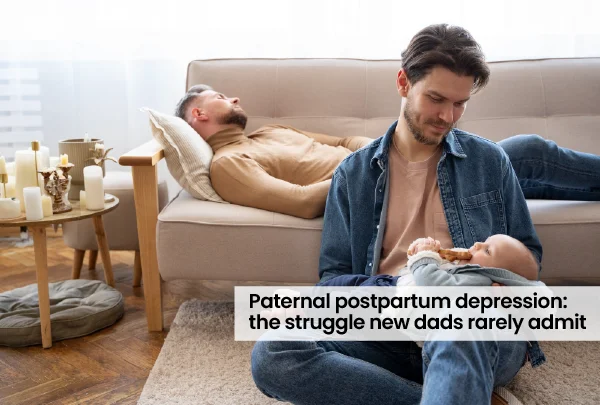
Becoming a father is often described as one of life’s happiest milestones. However, alongside excitement and love, new fathers may experience exhaustion, irritability, sadness, and emotional uncertainty. Society often expects men to remain strong and dependable, making it difficult to admit when fatherhood feels overwhelming.
Paternal postpartum depression refers to depressive symptoms experienced by fathers during pregnancy or after the birth of a child. Although maternal mental health receives greater attention, fathers also need emotional support. Recognising their struggles can improve their well-being, relationships, and ability to care for their children.
What Is Paternal Postpartum Depression?
Paternal postpartum depression is a mental health concern that can develop during the transition to fatherhood. Research indicates that depressive symptoms affect a significant minority of fathers, although prevalence estimates vary (Cameron et al., 2016).
New responsibilities, financial concerns, relationship changes, and disrupted routines can contribute to emotional difficulties. Depression may appear as persistent sadness, but some fathers experience irritability, withdrawal, reduced motivation, or difficulty connecting with their babies.
Occasional tiredness does not automatically indicate depression. However, persistent symptoms that interfere with everyday functioning deserve attention.
Why Do New Fathers Experience Emotional Difficulties?
Postpartum depression in fathers can be caused by a number of circumstances.
- Changing responsibilities: Caring for a newborn can feel overwhelming, especially for first-time fathers.
- Financial pressure: Household expenses and childcare responsibilities can increase the burden of Handling daily pressures.
- Relationship changes: Reduced couple time and disagreements about parenting can create tension.
- Disrupted rest: Frequent night-time waking can affect patience, concentration, and mood.
- Previous mental health concerns: A history of depression, limited support, or a partner experiencing postpartum depression may increase vulnerability.
Biological and hormonal changes may also play a role, although further research is needed to understand their effects. Experiencing these difficulties does not mean someone is weak or incapable of being a good father.
What Are the Warning Signs?
Paternal postpartum depression does not always look like sadness. Some fathers continue working and fulfilling responsibilities while struggling privately.
Common signs include:
- Persistent sadness, hopelessness, or emptiness.
- Losing interest in previously enjoyable activities.
- Increased irritability or frustration.
- Feeling disconnected from the baby or partner.
- Changes in appetite or sleep patterns.
- Difficulty concentrating or making decisions.
- Withdrawing from family and friends.
- Persistent emotional worry management difficulties concerning finances, parenting, or the baby’s health.
- Increased use of alcohol or other substances to cope.
Some fathers may also struggle with anger regulation strategies, reacting intensely to minor disagreements.
These symptoms do not independently confirm depression. However, symptoms lasting around two weeks, causing significant distress, or affecting daily functioning warrant professional assessment. Seek help sooner if symptoms are severe.
Why Do Fathers Often Hide Their Feelings?
Many men grow up believing they must provide for their families, solve problems independently, and avoid showing vulnerability. These expectations can make emotional struggles difficult to acknowledge.
A new father might think, “My partner has gone through childbirth, so I should not complain.” Others worry that admitting distress will make them appear incapable of caring for their families.
Unfortunately, hiding these feelings can increase isolation and delay treatment. Fathers deserve emotional support just as much as mothers do. Acknowledging difficulties is a responsible step towards healthier parenthood.
How Can New Fathers Protect Their Mental Well-Being?
Practical changes can help fathers navigate this transition. Although these strategies cannot replace professional treatment when depression is present, they can support everyday well-being.
1. Share Responsibilities
Discuss household tasks, night-time care, and personal needs with your partner. Accepting help from trusted relatives or friends can reduce exhaustion and prevent either parent from feeling solely responsible.
2. Communicate Honestly
Instead of hiding your emotions, explain what you are experiencing. Saying, “I love our baby, but I have been feeling overwhelmed,” can open the door to understanding and practical support.
3. Prioritise Rest and Physical Health
Where possible, take turns caring for the baby so both parents have opportunities to rest. Regular meals, gentle exercise, and realistic routines can also support emotional well-being.
4. Set Realistic Expectations
Defining meaningful personal targets can make the transition manageable. Start with small actions, such as spending uninterrupted time with your baby, talking to a trusted friend, or sharing a household responsibility.
Approaching fatherhood through personal growth and development means learning gradually rather than expecting perfection.
5. Respond to Difficult Emotions
When frustration increases, pause before reacting. If necessary, place the baby safely in their cot and take a brief break. Learn emotional response regulation by recognising emotional triggers and choosing calmer responses.
6. Make Time for Calm
Try practising mindful awareness techniques by noticing your breathing, relaxing your shoulders, or focusing on the present moment. These brief practices may help you pause during demanding situations, although persistent depression requires appropriate care.
How Does a Father’s Mental Health Affect the Family?
A father’s emotional well-being can influence his relationship with his partner, involvement in childcare, and connection with his baby. Untreated depression may make communication and everyday responsibilities more difficult.
However, paternal depression does not make someone a bad parent. With understanding, practical assistance, and suitable treatment, fathers can improve their well-being and strengthen family relationships.
Partners can help by listening without criticism, sharing responsibilities, and encouraging professional support. Statements such as “Just be strong” may unintentionally dismiss genuine distress. Compassionate conversations are far more helpful.
When Should You Consider Seeking Professional Support?
If persistent sadness, irritability, withdrawal, or difficulties connecting with your baby begin affecting daily life, consider speaking with a qualified mental health professional. You do not need to wait until symptoms become severe.
Seeking psychological counselling in Delhi can help fathers understand their emotions, identify contributing factors, and develop healthier coping strategies. A qualified psychologist in Delhi can assess symptoms and recommend appropriate support through face-to-face counselling in Delhi.
The Psychowellness Center provides face-to-face psychological counselling at its Delhi branches:
- Janakpuri Branch: A Block, Janakpuri, Delhi.
- Dwarka Branch: Sector-17, Dwarka, Delhi.
- Contact: 09810636188, 07827208707.
Depending on individual needs, treatment may include cognitive behavioural therapy (CBT), supportive psychotherapy, or psychiatric assessment.
If you experience thoughts of harming yourself or someone else, seek urgent professional assistance. If you feel at risk of harming your baby, place the baby safely in their cot and immediately seek help from a trusted adult or emergency service.
Fatherhood can be rewarding, but it also brings challenges that deserve understanding rather than silence. Recognising emotional difficulties and seeking appropriate support can help fathers care for themselves and their families.
Frequently Asked Questions (FAQs)
1. Can fathers experience postpartum depression?
Yes. Fathers may experience depression during pregnancy or after childbirth. Symptoms can include sadness, irritability, withdrawal, and difficulty connecting with family members.
2. When can paternal postpartum depression begin?
It can begin during pregnancy or after the baby’s birth. Symptoms vary, so persistent emotional difficulties should be assessed professionally.
3. How is depression different from normal parenting stress?
Adjustment difficulties may improve with rest and support. Depression can involve persistent low mood, hopelessness, loss of interest, and impaired daily functioning.
4. How can partners support a struggling father?
Listen without judgment, share caregiving responsibilities, encourage honest conversations, and help him access professional support when needed.
5. Can paternal postpartum depression be treated?
Yes. Treatment may include psychotherapy, practical family support, and medication when clinically appropriate. Early intervention can improve well-being.
Contributed by: Dr. R.K. Suri, Clinical Psychologist, and Ms. Tanu Sangwan, Counselling Psychologist
References
Cameron, E. E., Sedov, I. D., & Tomfohr-Madsen, L. M. (2016). Prevalence of paternal depression in pregnancy and the postpartum: An updated meta-analysis. Journal of Affective Disorders, 206, 189–203. https://doi.org/10.1016/j.jad.2016.07.044
Leach, L. S., Poyser, C., Cooklin, A. R., & Giallo, R. (2016). Prevalence and course of anxiety disorders (and symptom levels) in men across the perinatal period: A systematic review. Journal of Affective Disorders, 190, 675–686. https://doi.org/10.1016/j.jad.2015.09.063
Paulson, J. F., & Bazemore, S. D. (2010). Prenatal and postpartum depression in fathers and its association with maternal depression: A meta-analysis. JAMA, 303(19), 1961–1969. https://doi.org/10.1001/jama.2010.605
https://www.psychowellnesscenter.com/Blog/psychologist-in-delhi-for-postpartum-anxiety/
https://www.psychowellnesscenter.com/service-depression-treatment-in-delhi/
https://www.psychowellnesscenter.com/best-clinical-psychologist-near-me/delhi-ncr/