
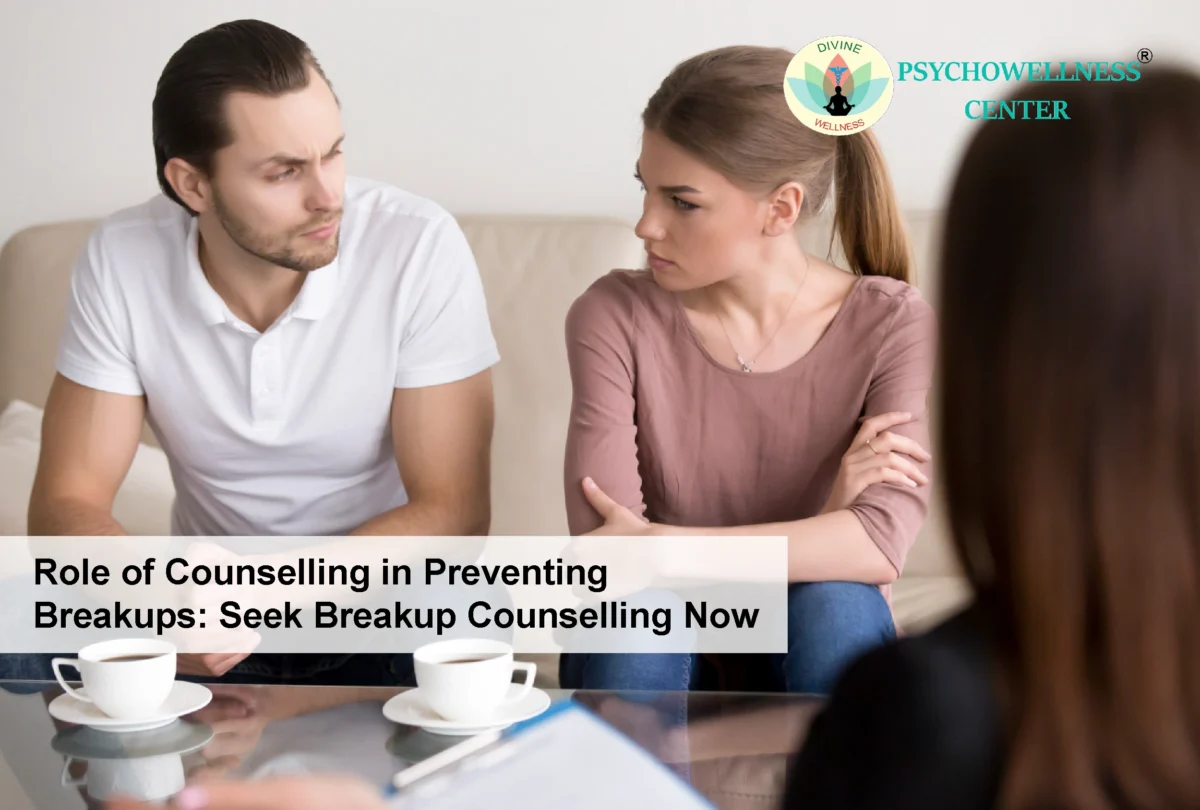
Relationships are built on trust, understanding, mutual respect, and effective communication. While every couple experiences disagreements and difficult phases, unresolved conflicts, emotional distance, misunderstandings, and unmet expectations can gradually weaken the relationship. Many couples choose to end their relationship without realizing that timely professional support could have helped them navigate these challenges. Breakup counselling offers a safe and structured environment where couples and individuals can address relationship concerns, improve communication, and make informed decisions about the future of their relationship.
Seeking counselling is not a sign that a relationship has failed; rather, it reflects a willingness to understand one another, resolve conflicts, and strengthen emotional bonds before problems become overwhelming.
Understanding Relationship Challenges
Every relationship encounters periods of stress. Changes in work responsibilities, financial pressures, parenting demands, family conflicts, health concerns, or life transitions can affect emotional intimacy. Over time, unresolved issues may lead to frequent arguments, resentment, loss of trust, or emotional withdrawal.
Common reasons that place relationships at risk include:
- Poor communication
- Constant misunderstandings
- Trust issues and jealousy
- Emotional or physical distance
- Financial disagreements
- Differences in values or future goals
- Lack of intimacy
- Family or in-law conflicts
- Work-life imbalance
- Unresolved past hurts
While these difficulties may seem overwhelming, many can be addressed effectively through professional counselling.
What Is Breakup Counselling?
Breakup counselling is a specialized form of psychological support that helps individuals or couples understand relationship difficulties, manage emotional distress, and develop healthier ways of communicating and coping. Contrary to popular belief, breakup counselling is not only for couples who have already separated. It can also help couples who wish to repair their relationship before deciding to end it.
The counselling process focuses on identifying unhealthy interaction patterns, improving emotional awareness, strengthening communication skills, and exploring practical solutions to ongoing conflicts.
How Counselling Helps Prevent Breakups
Improves Communication
Communication problems are among the leading causes of relationship dissatisfaction. Couples often assume their partner understands their feelings without expressing them clearly. Counselling teaches healthy communication techniques, including active listening, empathy, and respectful expression of thoughts and emotions.
When both partners feel heard and understood, conflicts become easier to resolve.
Helps Resolve Conflicts Constructively
Arguments themselves are not necessarily harmful; it is how couples handle disagreements that determines relationship health. Counsellors help partners identify destructive conflict patterns such as blaming, criticism, defensiveness, or avoidance and replace them with collaborative problem-solving strategies.
Learning constructive conflict resolution reduces resentment and promotes healthier interactions.
Rebuilds Trust
Trust can be damaged by dishonesty, broken promises, emotional neglect, or infidelity. Rebuilding trust requires patience, accountability, and consistent effort from both partners.
Counselling provides structured guidance that helps couples process painful experiences, rebuild emotional safety, and gradually restore confidence in the relationship.
Strengthens Emotional Connection
Over time, busy schedules and daily responsibilities may reduce emotional closeness. Couples may begin to feel disconnected despite living together.
Couples counselling encourages partners to understand each other’s emotional needs, appreciate positive qualities, and reconnect through meaningful conversations and shared experiences.
Identifies Underlying Issues
Sometimes relationship conflicts are symptoms of deeper concerns such as anxiety, depression, unresolved childhood experiences, low self-esteem, stress, or personality differences. Addressing these underlying issues often improves the relationship as well.
Professional counselling considers both individual well-being and relationship dynamics to create a comprehensive treatment plan.
When Should You Seek Breakup Counselling?
Many couples wait until the relationship has reached a crisis before seeking help. However, early intervention often leads to better outcomes.
Consider seeking counselling if you notice:
- Frequent unresolved arguments
- Difficulty communicating without conflict
- Loss of emotional intimacy
- Persistent trust issues
- Feeling emotionally distant from your partner
- Considering separation or divorce
- Difficulty managing jealousy or insecurity
- Repeated misunderstandings
- Challenges adjusting after major life changes
- Uncertainty about the future of the relationship
Seeking support early can prevent minor concerns from becoming long-term relationship problems.
Benefits of Breakup Counselling for Individuals
Even when reconciliation is not possible, counselling remains valuable. Individuals who experience separation often struggle with grief, sadness, anger, guilt, anxiety, or uncertainty about the future.
Breakup counselling helps individuals:
- Process emotional pain in a healthy way
- Improve self-awareness
- Build resilience and coping skills
- Develop healthier relationship patterns
- Strengthen self-esteem
- Reduce anxiety and depression related to relationship loss
- Prepare for healthier future relationships
The goal is not simply to recover from the breakup but also to promote personal growth and emotional well-being.
How Psychowellness Center Can Help
Psychowellness Center provides compassionate and evidence-based counselling services for individuals and couples experiencing relationship challenges. Experienced relationship psychologists in Delhi NCR, Best couples counselors near me, and psychological counseling in Dwarka work collaboratively with clients to understand the unique dynamics of each relationship and develop personalized intervention plans.
The counselling process emphasizes confidentiality, empathy, and practical problem-solving. Whether couples are struggling with communication issues, trust concerns, recurring conflicts, emotional distance, or uncertainty about the future, professional guidance can help them make thoughtful and informed decisions.
In addition to breakup counselling, Psychowellness Center offers support for anxiety, depression, stress management, family conflicts, premarital counselling, marriage counselling, and individual psychotherapy, ensuring comprehensive mental health care under one roof.
Counselling Services at Psychowellness Center
Individuals and couples seeking professional relationship counselling can visit Psychowellness Center at its conveniently located centers in Janakpuri and Dwarka Sector-17, New Delhi. The experienced team of psychologists provides confidential, evidence-based counselling tailored to each person’s unique emotional and relationship needs. Whether you are facing communication difficulties, trust issues, recurring conflicts, or contemplating separation, timely professional support can help you gain clarity and develop healthier ways of navigating relationship challenges. To schedule an appointment or learn more about the services, contact 011-47039812 or 7827208707.
Conclusion
Every relationship experiences challenges, but not every challenge needs to result in a breakup. Seeking professional counselling at the right time can improve communication, rebuild trust, strengthen emotional connection, and help couples resolve conflicts more effectively. Even when separation becomes the healthiest choice, counselling provides emotional support and practical coping strategies that promote healing and personal growth.
If you or your partner are struggling with ongoing relationship difficulties, do not wait until problems become overwhelming. Early intervention through professional breakup counselling can help preserve healthy relationships, improve emotional well-being, and support informed decisions about the future.
Contributions: Dr. R.K. Suri, Clinical Psychologist, and Ms. Sakshi Dhankhar, Counselling Psychologist
References
https://www.psychowellnesscenter.com/Blog/couple-counsellor-in-delhi-for-breakup-recovery/
https://www.psychowellnesscenter.com/Blog/breakup-counselling-part-1/
https://www.psychowellnesscenter.com/Blog/breakup-counselling-part-2/
American Psychological Association. (2020). Publication manual of the American Psychological Association (7th ed.). American Psychological Association.
Gottman, J. M., & Silver, N. (2015). The seven principles for making marriage work (Rev. ed.). Harmony Books.
Johnson, S. M. (2019). Attachment theory in practice: Emotionally focused therapy (EFT) with individuals, couples, and families. Guilford Press.