
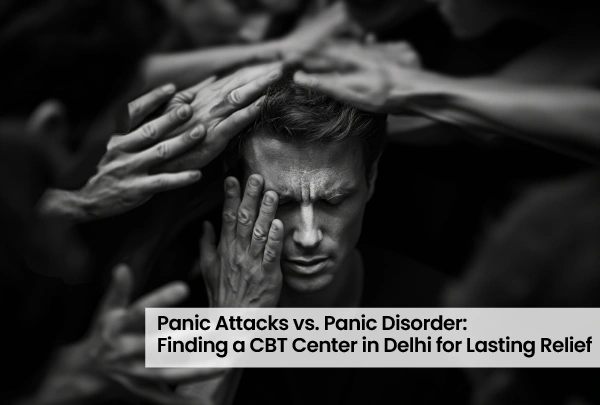
Experiencing a sudden wave of intense fear, a racing heartbeat, dizziness, or difficulty breathing can be frightening. Many people who experience these symptoms believe they are having a heart attack or another serious medical emergency. While these symptoms may indicate a Panic Attack, they do not always mean a person has Panic Disorder. Understanding the difference is essential because it helps individuals seek the right treatment and avoid unnecessary fear.
A Panic Attack is a sudden episode of overwhelming fear accompanied by intense physical and emotional symptoms. It can happen unexpectedly or during periods of heightened stress. In contrast, Panic Disorder is a recognised mental health condition in which a person experiences recurrent, unexpected panic attacks followed by persistent worry about future attacks or significant changes in behaviour to avoid them. Mental health experts emphasise that while anyone can experience a panic attack, repeated attacks combined with ongoing fear and avoidance may indicate Panic Disorder and require professional treatment.
Fortunately, Cognitive Behavioural Therapy (CBT) has consistently been shown to be one of the most effective evidence-based treatments for Panic Disorder. With the support of a qualified psychologist and structured therapy, many individuals learn to understand their symptoms, reduce fear, and regain confidence in their daily lives.
What Is a Panic Attack?
A Panic Attack is a sudden surge of intense fear or discomfort that typically reaches its peak within a few minutes. Although the episode is temporary, the physical sensations can be extremely distressing. During a panic attack, the body’s natural “fight-or-flight” response becomes activated even when there is no real danger. This causes the brain to interpret harmless bodily sensations as signs of a serious threat, making the experience feel overwhelming.
Common symptoms include:
- Rapid heartbeat or palpitations
- Chest pain or tightness
- Shortness of breath
- Sweating or chills
- Trembling or shaking
- Dizziness or light-headedness
- Feeling detached from reality
- Fear of losing control or dying
Because these symptoms closely resemble those of certain medical conditions, especially heart-related problems, many people seek emergency medical care during their first panic attack. Medical evaluation is important to rule out physical illnesses, but once medical causes have been excluded, understanding the psychological nature of panic can significantly reduce fear and confusion.
What Is Panic Disorder?
Panic Disorder is more than having occasional panic attacks. It is a diagnosable condition characterised by recurrent, unexpected panic attacks followed by persistent concern about experiencing another attack or changes in behaviour aimed at preventing future episodes. In some individuals, Panic Disorder may occur alongside generalized anxiety disorder (GAD) or other emotional difficulties, making a comprehensive psychological assessment especially important.
For many people, the greatest challenge is not the panic attack itself but the constant fear of when the next one might occur. This fear, often called anticipatory anxiety, may lead individuals to avoid situations where they believe an attack could happen. They may stop driving, avoid crowded shopping centres, refuse to travel alone, or even hesitate to leave their homes. Over time, these avoidance behaviours can significantly affect work, relationships, education, and overall quality of life.
Panic Attack vs. Panic Disorder: What’s the Difference?
Although the terms are often used interchangeably, a Panic Attack and Panic Disorder are not the same. Understanding the distinction can help individuals recognise when professional support may be needed.
- A Panic Attack is a single episode of overwhelming fear, whereas Panic Disorder involves repeated, unexpected panic attacks.
- A panic attack may occur during emotionally challenging situations, while Panic Disorder is marked by persistent worry about future attacks.
- The physical symptoms of a panic attack usually peak within minutes and gradually subside. In contrast, the fear and anticipation associated with Panic Disorder can continue for weeks or even months.
- An isolated panic attack does not always require ongoing psychological treatment. However, Panic Disorder often benefits from evidence-based interventions such as Cognitive Behavioural Therapy (CBT) and, in some cases, medication.
Why Early Treatment Matters
Many people delay seeking help because they hope the panic attacks will disappear on their own or believe they simply need to “stay strong.” Unfortunately, untreated Panic Disorder often becomes more difficult to manage over time because the fear of future attacks reinforces avoidance behaviours. The longer this cycle continues, the more it can affect confidence, independence, self-esteem, and emotional well-being.
Research shows that early intervention through Psychological Counselling, particularly Cognitive Behavioural Therapy (CBT), can reduce the frequency and intensity of panic attacks, improve emotion control, challenge catastrophic thinking, and help individuals gradually return to situations they have been avoiding. Rather than simply reducing symptoms, CBT teaches long-term coping skills that support lasting recovery.
How Cognitive Behavioural Therapy (CBT) Helps
CBT is widely regarded as the first-line psychological treatment for panic-related conditions because it helps individuals understand the connection between their thoughts, emotions, physical sensations, and behaviours, rather than simply reducing symptoms. Many people with Panic Disorder become frightened by normal bodily sensations such as a racing heartbeat, dizziness, or shortness of breath, interpreting them as signs of a heart attack or loss of control. These catastrophic thoughts intensify fear, triggering the “panic cycle” in which physical symptoms become more distressing and reinforce the fear of another Panic Attack.
Through CBT, individuals learn to recognise and challenge these unhelpful thought patterns, replacing them with more balanced and realistic interpretations. Therapy also encourages gradual goal-setting, allowing individuals to rebuild confidence by taking manageable steps toward resuming everyday activities.
Treatment includes practical techniques such as breathing exercises, grounding strategies, gradual Exposure Therapy, and interoceptive exposure, where harmless physical sensations similar to those experienced during a panic attack are safely recreated in a controlled environment. This helps individuals realise that these sensations, while uncomfortable, are not dangerous.
Throughout treatment, psychologists also help clients develop healthier coping skills, strengthen assertiveness, establish healthy boundary, and reduce avoidance behaviours that interfere with work, education, and daily life. In addition, therapy may address feelings of frustration or anger that sometimes arise after repeated panic episodes, helping individuals respond to challenges in healthier ways and reducing the likelihood of an interpersonal problem affecting personal or professional relationships.
When Should You Seek Psychological Counselling?
Many people wait until panic attacks become severe before seeking help. However, early Psychological Counselling often leads to better outcomes because it prevents the cycle of fear and avoidance from becoming deeply established. Seeking timely support can also reduce the risk of symptoms affecting confidence, daily functioning, and overall emotional well-being.
Consider consulting a Clinical Psychologist if you notice:
- Repeated Panic Attacks without an obvious trigger.
- Persistent worry about having another attack.
- Avoiding public places, travelling, or social situations due to fear.
- Ongoing emotional distress that makes it difficult to go about regular tasks.
- Difficulty concentrating, low motivation, or emotional exhaustion.
- Panic symptoms affecting work, relationships, or sleep.
- Increasing social isolation because of fear of experiencing panic attacks.
A comprehensive psychological assessment helps determine whether symptoms are related to Panic Disorder, another mental health condition, or an underlying physical illness. In some cases, clinicians also evaluate whether experiences such as bullying have contributed to current emotional difficulties, as these can increase vulnerability to panic-related symptoms.
An accurate assessment also helps distinguish Panic Disorder from other conditions, including depression, phobia, and post-traumatic stress disorder (PTSD), each of which may require different therapeutic approaches. Additionally, some individuals may experience symptoms associated with social anxiety or, where clinically appropriate, impulse control disorder, making a thorough evaluation essential for selecting the most effective treatment plan.
Choosing the Right CBT Centre in Delhi
When looking for a CBT Centre in Delhi or searching for a therapist near me, it is important to choose a clinic that provides evidence-based care delivered by qualified Clinical Psychologists or Counselling Psychologists experienced in treating panic-related conditions.
A good therapy centre should offer:
- Individualised treatment plans.
- Structured Cognitive Behavioural Therapy (CBT).
- Evidence-based Exposure Therapy, when appropriate.
- Confidential and supportive counselling.
- Regular progress reviews.
- Online and in-person therapy options.
The therapeutic relationship also matters. Feeling comfortable, understood, and supported by your psychologist can improve engagement in therapy and contribute to better treatment outcomes. Whether you are searching for a trusted Counseling Center Near me or an experienced psychologist Delhi, selecting professionals recognised among the Best Psychologists in Delhi can help ensure high-quality psychological care.
Simple Coping Strategies During a Panic Attack
While professional treatment is essential for recurring panic attacks, a few strategies can help reduce distress during an episode:
- Remind yourself that a Panic Attack is temporary and will pass.
- Focus on slow, steady breathing rather than trying to stop the panic immediately.
- Use grounding techniques such as the 5-4-3-2-1 method to reconnect with your surroundings.
- Avoid repeatedly checking your pulse or searching for symptoms online, as this may increase fear and uncertainty.
- Practice self-compassion and brief mindfulness exercises instead of criticising yourself after an attack.
These strategies do not replace therapy, but they can help you manage symptoms while working toward long-term recovery through CBT. Individuals seeking professional psychological support may consider the services offered by Psychowellness Center. The clinic offers private, evidence-based mental health care and has convenient locations in Janakpuri and Dwarka Sec-17, Delhi. To book an appointment or learn more about the services, individuals can contact 011-47039812 or 7827208707.
Conclusion
Experiencing a panic attack can be frightening, but it does not necessarily mean you have Panic Disorder. Understanding the difference is the first step toward seeking appropriate care and preventing unnecessary fear. People can improve their overall quality of life, regain confidence, and acquire useful coping mechanisms with early intervention and evidence-based techniques like cognitive behavioural therapy.
If panic symptoms are affecting your daily routine, emotional well-being, or relationship with others, seeking professional support can make a meaningful difference. TalktoAngel offers convenient online counselling with experienced mental health professionals, while Psychowellness Center provides comprehensive psychological assessment and therapy services to help individuals achieve lasting recovery and emotional well-being.
Contributions: Dr. R.K. Suri, Clinical Psychologist, and Ms. Ishita , Counselling Psychologist
References
- American Psychiatric Association. (2022). Diagnostic and statistical manual of mental disorders (5th ed., text rev.; DSM-5-TR). American Psychiatric Association.
- National Institute of Mental Health. (2025). Panic disorder: What you need to know. U.S. Department of Health and Human Services.
- National Institute of Mental Health. (2025). Panic disorder statistics. U.S. Department of Health and Human Services.
- National Institute of Mental Health. (2025). Panic disorder: When fear overwhelms. U.S. Department of Health and Human Services.