
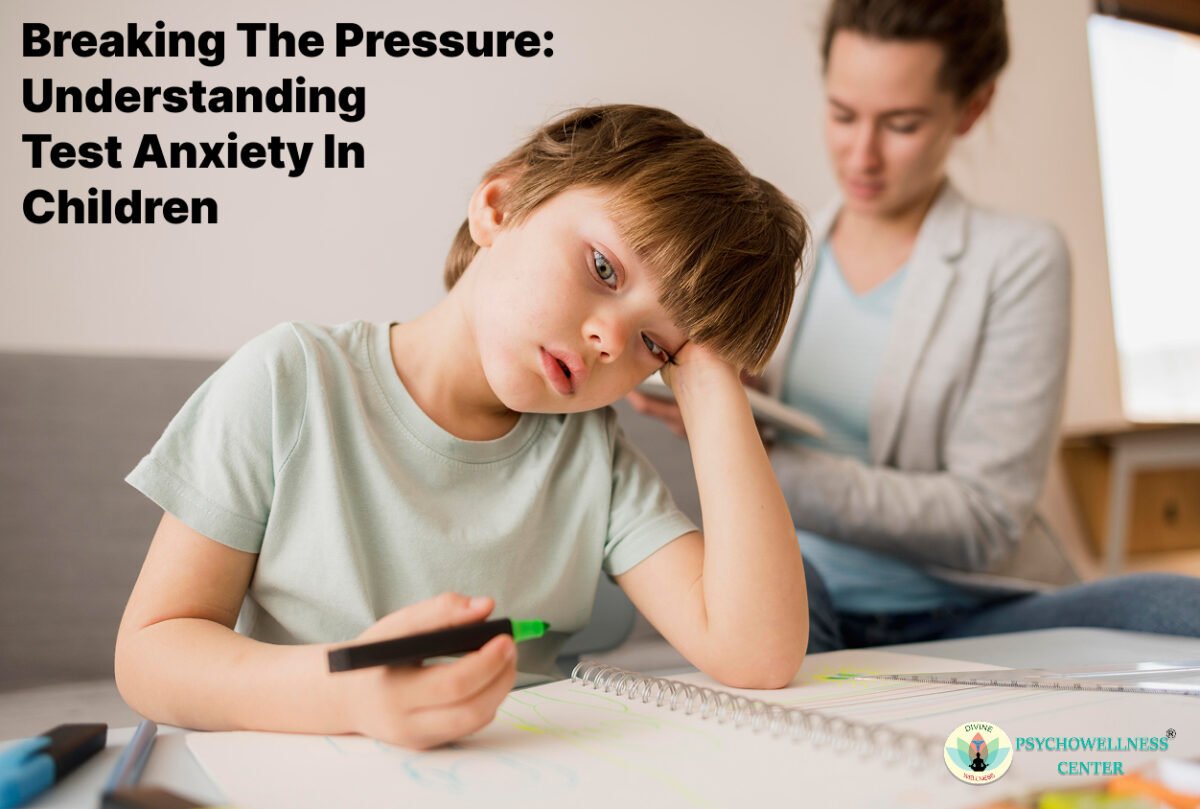
In today’s fast-paced, achievement-driven world, academic success has become a major focus for both parents and children. With this focus, however, comes a shadow that looms large over many young students: test anxiety. While a mild case of nerves before a test is normal—even healthy—some children experience an overwhelming fear that hampers their performance and undermines their confidence. This intense form of stress, known as test anxiety, is far more common than many realise. Understanding test anxiety in children is crucial, not just for their academic success, but for their emotional and mental well-being. In this blog, we’ll explore what test anxiety is, how it manifests, its root causes, and most importantly, how parents, educators, and caregivers can support children in managing it effectively.
What is Test Anxiety?
A psychological disorder known as test anxiety causes people to feel extremely distressed and anxious when taking tests. It goes beyond the usual butterflies and can interfere significantly with performance. For children, this can show up even in small quizzes or classroom assessments, not just standardised exams.
This kind of anxiety can present itself in several ways:
- Physical symptoms such as headaches, nausea, sweating, rapid heartbeat, or shortness of breath.
- Emotional symptoms like fear, helplessness, or even panic attacks.
- Cognitive symptoms include racing thoughts, negative self-talk, difficulty concentrating, or blanking out during the test.
- Behavioural symptoms such as avoiding school, procrastinating, or refusing to take tests.
Why Do Children Experience Test Anxiety?
There is no single cause of test anxiety; rather, it stems from a combination of factors:
- Fear of Failure:– One of the most common drivers is the fear of disappointing others—parents, teachers, or peers—or the fear of appearing unintelligent. In environments where high achievement is heavily emphasised, children can develop an unhealthy pressure to be perfect.
- Lack of Preparation:- Sometimes, anxiety is a result of poor preparation or ineffective study habits. Children who don’t feel ready often go into tests with heightened stress levels.
- Negative Past Experiences:- A previous failure or a particularly stressful test-taking experience can leave a lasting impression. These memories can resurface and amplify anxiety before each subsequent test.
- Perfectionism:- Some children set unrealistically high expectations for themselves. Anything less than a perfect score feels like a failure, leading to overwhelming stress.
- Learning Differences:- Children with learning disabilities, ADHD, or other challenges may find test situations particularly difficult. The fear of not being able to perform at the same level as peers can fuel their anxiety.
Recognising Test Anxiety in Your Child
Children don’t always have the words to articulate what they’re feeling. Parents and teachers need to be on the lookout for signs of test anxiety:
- Frequent complaints of stomachaches or headaches before exams
- Trouble sleeping the night before a test
- Avoidance of school on test days
- Low self-esteem or negative talk like “I’m stupid” or “I’ll fail”
- Drop in academic performance despite apparent effort
- Excessive time spent on studying with little confidence in results
If a child regularly shows these signs, it may be time to dig deeper and take supportive action.
Helping Children Cope with Test Anxiety
Supporting a child with test anxiety involves a multi-pronged approach that addresses both the emotional and practical aspects of test-taking.
- Create a Safe Environment
Start with reassurance. Let your child know that their worth is not defined by their test scores. Focus on effort, progress, and learning—not just results.
What to say:
“I’m proud of how hard you worked. Let’s talk about what you learned, not just the grade.”
2. Teach Relaxation Techniques
Simple relaxation strategies can work wonders. Breathing exercises, visualisation, or even stretching can help calm a child before and during a test.
Try this breathing technique:
Four seconds of inhalation, four seconds of holding, four seconds of exhalation, and four seconds of rest. Repeat a few times.
3. Practice Under Pressure
Help your child get used to test conditions by creating mock exams at home. Set a timer and use a quiet space to simulate a real test environment. Over time, familiarity can reduce the fear associated with the unknown.
4. Focus on Study Skills
Sometimes anxiety stems from feeling unprepared. Teach your child effective study strategies like:
- Breaking study time into small, manageable chunks
- Using flashcards or summaries
- Teaching the material to someone else
- Review consistently, not cramming the night before
5. Communicate with Teachers
If test anxiety is a recurring issue, talk to your child’s teachers. They may be able to provide accommodations like extra time, a quiet testing space, or even verbal encouragement during the test.
6. Celebrate Small Wins
Every step forward is worth celebrating. Whether your child completed a test without panic or improved their score slightly, acknowledge the progress. This reinforces that growth matters more than perfection.
When to Seek Professional Help
In some cases, test anxiety may be a symptom of a deeper issue, such as an anxiety disorder. If your child’s anxiety is affecting multiple areas of life—like social interactions, sleep, or general happiness—it may be time to consult a mental health professional. Child psychologists or counsellor can help uncover the roots of the anxiety and teach coping strategies tailored to your child’s needs.
Conclusion
The way we talk about education, achievement, and success profoundly shapes how children view themselves. While grades and scores often take centre stage, true learning is rooted in curiosity, emotional safety, persistence, and resilience. When children experience intense test anxiety, it is not a reflection of their intelligence or potential, but rather a signal that they need understanding, reassurance, and supportive coping strategies.
By addressing test anxiety early, we are not only improving academic performance but also equipping children with lifelong skills—managing pressure, regulating emotions, building confidence, and developing a healthy relationship with challenges. Mental health centres such as The Psychowellness Center, located in Dwarka Sector-17 and Janakpuri, New Delhi (Contact: 011-47039812 / 7827208707), offer specialised therapeutic support for children and adolescents, helping them manage test-related stress, performance anxiety, and emotional overwhelm through personalised counselling approaches. Additionally, for parents searching for the best psychologist near me or seeking flexible and accessible mental health care, TalktoAngel, a leading online counselling platform, connects families with experienced child psychologists who support children in anxiety management, emotional regulation, confidence-building, and academic resilience.
So, the next time a test approaches, remind your child—and yourself—that an exam is just one measure of learning. It is not a judgment of intelligence, not a reflection of self-worth, and certainly not the end of their story. With the right emotional support and guidance, children can learn to face pressure with confidence and believe in themselves, even when challenges feel overwhelming.
Contribution: Dr. R.K. Suri, Clinical Psychologist, and Ms. Drishti Rajore, Counselling Psychologist
References
- Spielberger, C. D., & Vagg, P. R. (1995). Test anxiety: Theory, assessment, and treatment. Taylor & Francis.
- Putwain, D. W. (2007). Test anxiety in UK schoolchildren: Prevalence and demographic patterns. British Journal of Educational Psychology, 77(3), 579–593. https://doi.org/10.1348/000709906X161704
- Zeidner, M. (1998). Test anxiety: The state of the art. Plenum Press.