
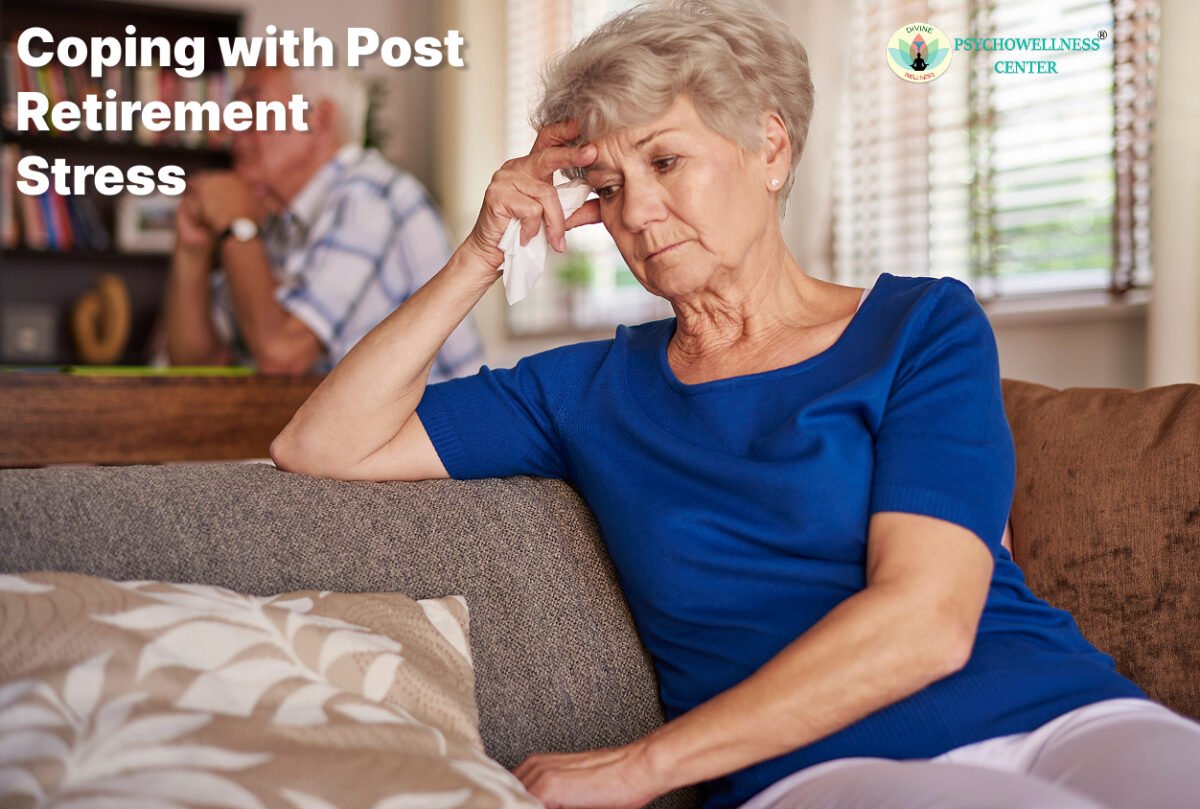
Retirement is often romanticized as a peaceful period of life, free from deadlines, meetings, and work pressures. While this transition can indeed bring relaxation and new opportunities, it can also trigger emotional, psychological, and social challenges. Many individuals struggle with post-retirement stress due to lifestyle changes, loss of structure, identity shifts, financial concerns, and altered social relationships. Coping with these challenges is essential to maintaining good mental health and enhancing overall well-being.
Understanding Post-Retirement Stress
Retirement is not merely stopping work; it is a significant life transition. Humans are creatures of habit, and work provides more than just income; it offers routine, purpose, identity, and social interactions. When these aspects suddenly change, individuals may feel uncertain, disconnected, or emotionally overwhelmed.
Common sources of post-retirement stress include:
- Identity loss (“Who am I without my job?”
- Disrupted routine and reduced daily structure
- Financial insecurity or fear of inadequate savings
- Health concerns that arise with age
- Social isolation due to decreased professional interactions
- Emotional void or lack of purpose
- Increased family demands or caregiving responsibilities
Acknowledging these factors is the first step toward managing post-retirement stress effectively.
- Rebuilding Purpose and Identity
One of the most profound challenges after retirement is the loss of a professional identity. Many retirees have spent decades identifying themselves through their roles, teacher, manager, officer, doctor, or entrepreneur. Without this role, they may feel uncertain about their purpose.
Strategies to rebuild purpose include:
Engaging in meaningful hobbies such as gardening, painting, writing, or music
- Volunteering time and skills to community organizations
- Joining clubs or committees to contribute to causes they care about
- Mentoring younger professionals, sharing wisdom and experience
Purpose does not need to be tied to productivity; it can come from meaningful engagement and connection.
2. Establishing a New Routine
The sudden absence of a work schedule can cause feelings of emptiness and disorganization. A structured routine supports mental stability and reduces anxiety.
Retirees can develop routines by:
Establishing consistent schedules for meals, exercise, and waking up
- Allocating time for hobbies, social interactions, and relaxation
- Planning weekly activities such as classes, walking groups, or community events
- Using planners or digital reminders to stay organized
A balanced routine adds rhythm to life and provides a sense of control.
3. Staying Socially Connected
Social isolation is a major contributor to post-retirement stress. At work, people regularly interact with colleagues, clients, and teams. After retirement, these interactions may decrease dramatically.
Ways to stay socially active include:
Joining senior clubs, community centers, or interest groups
- Reconnecting with old friends
- Spending quality time with family
- Participating in cultural, spiritual, or recreational gatherings
- Taking part in group fitness or yoga classes
Feelings of loneliness are lessened and emotional well-being is improved by social interaction.
4. Managing Financial Anxiety
Financial stress can overshadow retirement, especially if savings are insufficient or poorly planned. Even individuals with stable finances may worry about unexpected expenses, healthcare costs, or long-term security.
Helpful strategies include:
Consulting a financial planner to assess budgets and investments
- Learning basic financial literacy to feel more in control
- Establishing emergency funds
- Reducing unnecessary expenses
- Exploring part-time or freelance work if needed
Financial clarity provides psychological security.
5. Prioritizing Physical Health
Retirement can bring more time for self-care, but it can also lead to inactivity, which contributes to physical and emotional stress. Engaging in regular physical activity improves mood, reduces tension, and supports overall health.
Retirees can adopt:
- Daily walks or yoga
- Light strength training
- Tai chi or gentle stretching
- Regular medical check-ups
- Balanced nutrition and hydration
Mind-body practices like yoga or meditation are especially effective in reducing stress.
6. Exploring New Learning Opportunities
Learning stimulates the brain, boosts self-confidence, and fosters personal growth. Retirement is a wonderful time to explore new subjects.
Some avenues include:
- Online courses
- Reading groups or book clubs
- Workshops on skills like cooking, photography, music, or digital literacy
- Language learning
Continuous learning prevents cognitive decline and enhances mental satisfaction.
7. Practising Mindfulness and Relaxation Techniques
Mindfulness plays a central role in managing post-retirement stress. It encourages individuals to stay present, reduce overthinking, and accept life’s changes.
Useful practices include:
- Deep-breathing exercises
- Guided meditation
- Progressive muscle relaxation
- Journaling thoughts and feelings
- Gratitude practice
These techniques lower stress hormones and promote emotional stability.
8. Strengthening Family Relationships
Retirement often shifts family dynamics. Spending more time at home may lead to conflicts or feelings of being undervalued, especially if family members are still working.
Open communication and shared activities can help:
Discussing expectations with partners or children
- Dividing household responsibilities fairly
- Planning family outings or celebrations
- Engaging in joint hobbies such as gardening or cooking
Strong family bonds act as a powerful emotional buffer.
9. Seeking Professional Psychological Support
Post-retirement stress can sometimes lead to anxiety, depression, sleep disturbances, or chronic worry. If these symptoms persist, seeking support from a psychologist or counselor is extremely beneficial.
Therapeutic approaches such as:
- Cognitive Behavioural Therapy (CBT)
- Interpersonal Therapy (IPT)
- Acceptance and Commitment Therapy (ACT)
can help retirees process emotional challenges, adapt to life transitions, and build coping strategies.
Conclusion
Retirement is a major life transition that affects emotional, psychological, social, and financial areas of life. While it may bring stress, it also offers the opportunity to redesign one’s lifestyle with intention and freedom. By building new routines, nurturing relationships, prioritizing health, enhancing skills, and seeking support when needed, retirees can successfully cope with post-retirement stress and lead fulfilling, meaningful lives.
Coping with post-retirement stress does not have to be a journey faced alone. With the right emotional support, retirees can rediscover purpose, rebuild routine, and strengthen their mental well-being during this life transition. Professional counselling and therapy can help address anxiety, low mood, identity loss, sleep difficulties, and family-related stress that often emerge after retirement. Support is available through the Psychowellness Center in Dwarka Sector-17 and Janakpuri (011-47039812 / 7827208707), where experienced mental health professionals offer therapies such as Cognitive Behavioural Therapy (CBT), mindfulness-based therapy, stress management counselling, and supportive psychotherapy. Additionally, platforms like TalktoAngel provide accessible online counselling, allowing individuals to seek guidance from the comfort of their homes. With timely psychological care, retirement can transform from a stressful adjustment into a meaningful phase of growth, balance, and renewed fulfillment.
Contribution: Dr. R.K. Suri, Clinical Psychologist, and Ms. Sakshi Dhankhar, Counselling Psychologist
References
- American Psychological Association. (2020). Publication manual of the American Psychological Association (7th ed.).
- Atchley, R. C. (1999). Continuity and adaptation in aging: Creating positive experiences. Johns Hopkins University Press.
- Beehr, T. A. (2014). Psychological and behavioral aspects of retirement. Plenum Press.
- Kim, J. E., & Moen, P. (2002). Retirement transitions, gender, and psychological well-being: A life-course, ecological model. The Journals of Gerontology Series B, 57(3), P212–P222.
- Wang, M., & Hesketh, B. (2012). Achieving well-being in retirement: Recommendations from 20 years of research. Society for Industrial and Organizational Psychology, 49(2), 308–321.