
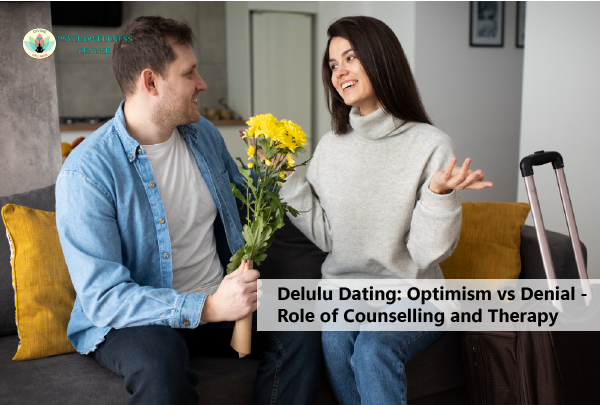
In the age of modern dating, a new term has taken over social media, “delulu dating.” Derived from the word “delusional,” it reflects a pattern where individuals hold onto hopeful beliefs about romantic situations, even when reality suggests otherwise. While a certain level of optimism can keep people emotionally resilient, the line between healthy hope and denial is often thin. Understanding this distinction is essential, especially when navigating complex dating concerns in today’s fast-paced world.
Understanding “Delulu Dating”
“Delulu dating” is not entirely negative. In fact, a degree of optimism plays a constructive role in romantic life. Research shows that optimistic individuals tend to experience greater satisfaction and support in relationships, which can strengthen emotional bonds over time. Hope allows people to stay open, vulnerable, and willing to invest in connection.
However, problems arise when optimism turns into denial. This is when individuals ignore clear signs, lack of communication, inconsistency, or emotional unavailability, and continue to believe that things will improve. Such patterns are often rooted in emotional needs, fear of rejection, or even anxiety about being alone.
Optimism vs. Denial: Where Is the Line?
Healthy optimism is grounded in reality. It allows room for both positive expectations and critical awareness. Denial, on the other hand, involves distorting or ignoring facts to maintain a comforting belief.
Psychological research highlights that while optimism can enhance well-being, excessive optimism may lead individuals to overlook risks and maintain unrealistic expectations, ultimately impacting mental health negatively . In dating, this may look like:
- Believing a partner will change despite repeated patterns
- Interpreting minimal effort as deep interest
- Holding onto one-sided emotional investments
These patterns can gradually lead to emotional exhaustion, confusion, and even low motivation to pursue meaningful connections.
The Psychological Roots of Delulu Dating
Delulu dating is often not about irrationality but about unmet emotional needs. People may stay in denial because it feels safer than confronting reality. For example, ignoring red flags may help avoid feelings of rejection or abandonment.
Cognitive distortions also play a role. Studies show that people can misinterpret behaviors, assume hidden meanings, or hold unrealistic beliefs about love, which can disrupt emotional stability and lead to misunderstandings. Over time, these patterns may contribute to:
- Difficulty with emotional control
- Avoidance of difficult conversations (a form of procrastination)
- Repeated unhealthy patterns in a relationship
Without awareness, individuals may find themselves stuck in cycles that feel familiar but unfulfilling.
Emotional Impact: From Hope to Exhaustion
At first, being “delulu” may feel empowering. It can create excitement and hope. However, when reality consistently contradicts expectations, emotional strain builds up. Individuals may feel confused, torn between what they believe and what they experience.
This internal conflict often leads to self-doubt, emotional fatigue, and difficulty trusting one’s own judgment. Over time, it may also affect self-worth and create hesitation in forming new connections.
The Role of Counselling and Therapy
Breaking free from denial requires more than just “thinking positively” or “being realistic.” It involves developing self-awareness, emotional clarity, and healthier relational patterns. This is where professional support becomes valuable.
Seeking guidance from a counselling psychologist in Delhi or exploring options like a therapist near me can help individuals understand the deeper roots of their patterns. Therapy provides a safe space to explore questions like the following:
- Why do I hold onto unavailable people?
- What fears drive my expectations?
- How can I differentiate intuition from illusion?
Through approaches like Cognitive Behavioural Therapy (CBT), individuals can learn to challenge distorted thoughts and replace them with balanced perspectives.
Building Healthier Relationship Patterns
Therapy also focuses on developing essential interpersonal skills. One of the most important is assertiveness, the ability to express needs, expectations, and boundaries clearly. Many people caught in delulu dating struggle to communicate openly, leading to misunderstandings and unmet needs.
Another key area is establishing a healthy boundary. Boundaries are not about pushing people away; they are about protecting emotional well-being. For example:
- Recognizing when effort is not reciprocated
- Saying no to inconsistent communication
- Letting go of situations that cause repeated distress
Addressing these aspects can also reduce interpersonal problem patterns and create space for healthier connections.
When to Seek Professional Help
If dating consistently leaves you feeling drained, confused, or emotionally stuck, it may be time to seek support. Professionals such as the Best Psychologists in Delhi can help individuals navigate emotional challenges and develop clarity in their dating lives.
Additionally, relationship counselling is not only for couples, it can also support individuals in understanding their relationship patterns, attachment styles, and emotional triggers. Therapy can transform dating from a cycle of confusion into a journey of self-discovery and growth.
Moving from Delusion to Self-Awareness
The goal is not to eliminate optimism but to balance it with awareness. Healthy dating involves hope but also honesty, with oneself and with others. When individuals become more aware of their emotional patterns, they can make more intentional choices.
This shift empowers individuals to move from passive waiting to active decision-making, fostering emotional resilience and clarity.
Conclusion
“Delulu dating” reflects a deeper psychological struggle between hope and reality. While optimism can enrich romantic experiences, unchecked denial can lead to emotional exhaustion and repeated disappointment. Understanding this balance is essential for building fulfilling and authentic connections.
Counselling and therapy play a crucial role in this journey. By working with trained professionals, individuals can gain insight into their patterns, improve emotional awareness, and develop healthier ways of relating. Whether through self-reflection or professional support, the path forward lies in embracing both hope and truth, without losing oneself in either.
To learn more about navigating modern dating challenges such as emotional confusion, unrealistic expectations, and patterns of “delulu dating,” you can explore helpful resources from the Psychowellness Center. Their experienced counselling psychologist team provides personalised guidance both in-person at Dwarka and Janakpuri, New Delhi (Contact: 011-47039812 / 7827208707) and online through TalktoAngel, offering convenient online counselling support. Professional counselling can help individuals manage emotional distress, improve clarity in decision-making, and develop healthier patterns in relationships. With the right support, individuals can build self-awareness, strengthen communication skills, and move toward more balanced and fulfilling connections.
To learn more about emotional awareness and mental well-being, you can explore resources that focus on understanding patterns that influence thoughts, emotions, and daily functioning, including aspects related to Dating Concerns. The importance of identifying early indicators of emotional discomfort and how they might affect general well-being is also highlighted in the movie, along with signs and symptoms that point to the need for marital counseling. People can create healthier coping mechanisms and enhance emotional equilibrium with the correct support.
Contributions: Dr. R.K. Suri, Clinical Psychologist, and Ms. Mahima Mathur, Counselling Psychologist
REFERENCES
Bortolotti, L. (2014). Hope, optimism and delusion. Philosophy, Psychiatry, & Psychology, 21(2), 123–134.
Srivastava, S., McGonigal, K. M., Richards, J. M., Butler, E. A., & Gross, J. J. (2006). Optimism in close relationships: How seeing things in a positive light makes them so. Journal of Personality and Social Psychology, 91(1), 143–153.
Travers, M. (2025). 5 ‘delusional mindsets’ that derail relationships. Forbes.
https://www.psychowellnesscenter.com/Blog/when-optimism-turns-into-toxic-denial/
https://www.psychowellnesscenter.com/service-relationship-issues-counselling-delhi/
https://www.psychowellnesscenter.com/Blog/hacks-to-make-dating-a-success/