
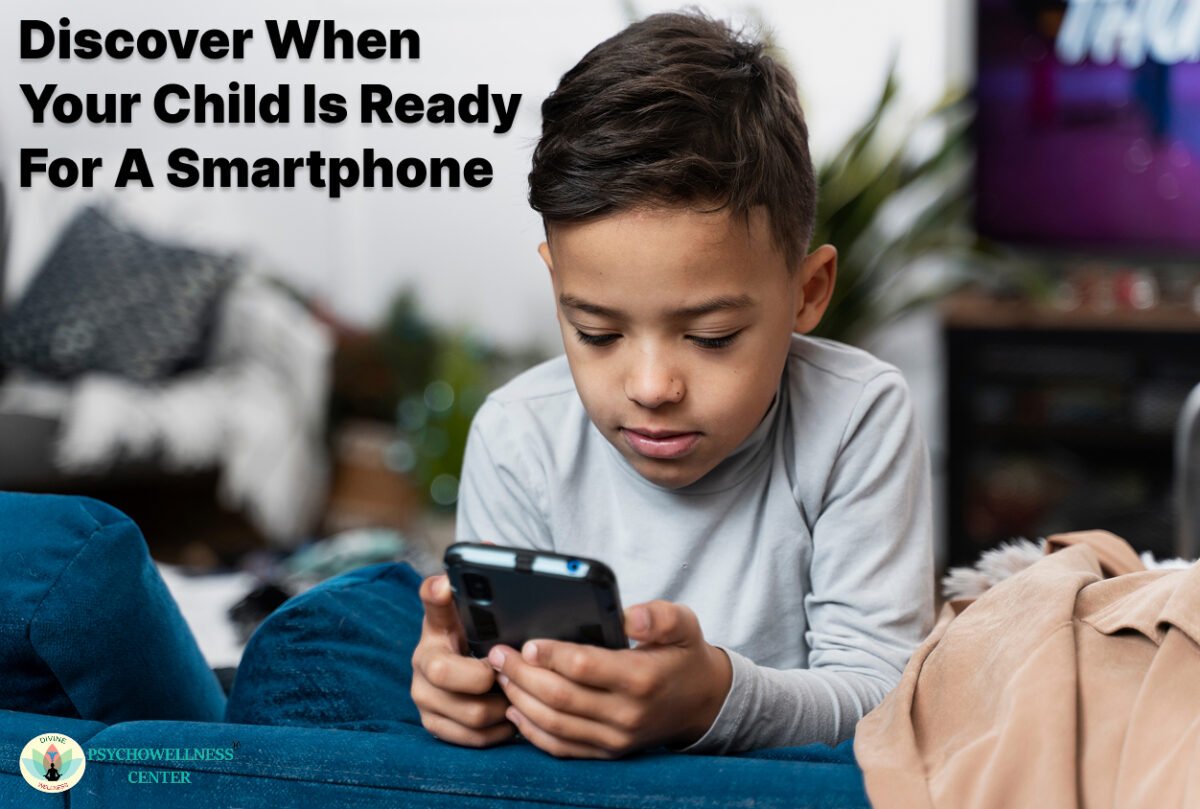
In today’s world, children are growing up surrounded by screens, notifications, and a digital culture that demands constant connection. Mobile phones have become a part of daily life not only for adults but also for kids who see their parents, siblings, and peers using them all the time. It is no surprise that children start asking for their own phone much earlier than before.
Many parents feel torn between wanting to protect their child and wanting them to feel included socially. The question is no longer whether a child will eventually get a phone, but when the right time truly is. The challenge lies in understanding readiness, not age. A ten-year-old may be more responsible than a thirteen-year-old. A child who manages school tasks well may struggle with impulse control online.
Why Mobile Phone Readiness Matters
A mobile phone provides connection and safety, but it also opens doors to risks such as screen addiction, cyberbullying, social comparison, exposure to inappropriate content, and disrupted sleep.
Children do not naturally have the emotional maturity to manage these risks. Their brains are still developing, especially areas responsible for impulse control, decision making, and understanding consequences.
That is why readiness must be assessed not just by age, but by behaviour, emotional maturity, and the child’s ability to handle responsibility.
Signs Your Child May Be Ready for a Mobile Phone
Below are key indicators to look for. These signs reflect not only maturity but also the psychological capacity to use a phone in a safe, healthy way.
1. They Understand Responsibility
A child ready for a phone should already show responsibility in everyday tasks.
This includes:
• finishing schoolwork on time
• taking care of their belongings
• following routines without repeated reminders
• completing chores consistently
Psychologically, this shows they can manage delayed gratification, a key skill needed to avoid compulsive phone use.
2. They Can Follow Rules and Respect Boundaries
Children who struggle with rules offline will most likely struggle online as well.
Look for:
• respect for limits
• willingness to listen
• understanding consequences
• ability to control impulses
Since the digital world has no immediate supervision, children must be able to regulate themselves even when no one is watching.
3. They Communicate Openly
A child ready for a phone should be comfortable talking about what they feel, what bothers them, or when something goes wrong.
This open communication becomes crucial if the child ever experiences cyberbullying, receives inappropriate messages, or feels unsafe online.
If your child hides things, lies often, or avoids discussing problems, giving them a phone may increase secretive behaviour.
4. They Show Emotional Control
Mobile phones expose children to emotional triggers:
• comparison with friends
• feeling left out
• online arguments
• pressure to reply instantly
A ready child can manage disappointment, frustration, or conflict without extreme reactions. Emotional maturity helps protect their mental health.
5. They Have a Genuine Need
Sometimes a phone is necessary, such as when the child travels for classes, is alone after school, or needs coordination with parents.
If the phone is purely for games, status, or peer pressure, the motivation may not align with healthy usage.
6. They Understand Online Safety
Before getting a phone, a child must know:
• what personal information never to share
• how to recognise unsafe interactions
• why they should avoid unknown links and strangers
• how to handle uncomfortable messages
If they do not understand online risks, they are not ready.
Signs Your Child May Not Be Ready Yet
It is equally important to notice red flags.
- difficulty sticking to limits with TV or gaming
- impulsive or aggressive reactions when asked to stop screen use
- problems with lying or hiding behaviour
- low self-esteem or high sensitivity to peer comparison
- poor academic focus
- fear of missing out (FOMO) that makes them anxious without a screen
These indicate that a child may become psychologically overwhelmed by the pressures of digital life.
Psychological Factors Parents Must Consider
Peer Pressure and the Desire to Fit In
Children fear being the only ones without a phone. This fear comes from the developmental need for belonging.
But giving a phone solely because “everyone has one” can reinforce unhealthy beliefs about self-worth and identity.
Brain Development and Impulse Control
The parts of the brain responsible for planning, resisting impulses, and making decisions mature slowly. This is why children naturally struggle with limits and may use a phone excessively if not guided carefully.
Self-Esteem and Social Comparison
Phones expose children to idealised images of others. Children who already have low self-esteem may become more sensitive to validation-seeking.
Sleep and Cognitive Effects
Late-night scrolling is a common issue even among adults. For children, it affects memory, mood, attention, and learning. Readiness means they must follow sleep boundaries without resistance.
How Parents Can Prepare Their Child Before Giving a Phone
1. Have Honest Conversations About Digital Life
Discuss:
• Why are you considering giving a phone
• your expectations
• online risks
• healthy usage habits
Children comply better when they feel involved rather than controlled.
2. Create a Family Digital Plan
Before giving the phone, set:
• screen time rules
• no phone zones
• no phone hours
• clear consequences
Consistency makes boundaries easier to follow.
3. Teach Digital Etiquette
Children must learn:
• respect when texting
• asking before taking or posting someone’s picture
• not participating in online gossip
• thinking before sending messages
Digital behaviour reflects emotional maturity.
4. Start With a Basic or Restricted Phone
This eases children into digital responsibility. You can gradually increase access as they show maturity.
5. Review Usage Together
Occasional checks are not about invading privacy but ensuring safety.
Explain this openly to avoid mistrust.
When Is the “Right Age”?
There is no universal number. However:
• ages 7 to 9 are usually too young
• ages 10 to 12 require strong supervision
• ages 13 to 15 are when responsibility becomes clearer
But maturity always matters more than age.
Conclusion
Giving a child a mobile phone is not just a practical choice but a psychological one. It influences their emotional development, social behaviour, self-esteem, and safety. A child’s readiness depends on how responsible, honest, and emotionally stable they are, not simply on how old they are or what their friends are doing.
When parents approach this decision with awareness, clear communication, and consistent guidance, a mobile phone becomes a useful tool rather than a harmful distraction. Ultimately, the goal is to raise children who can navigate the digital world with self-confidence, balance, and emotional wisdom.
If parents feel unsure about their child’s emotional readiness, screen habits, or behavioural changes related to mobile phone use, seeking professional guidance can be highly beneficial. Psychowellness Center, with clinics in Dwarka Sector-17 and Janakpuri (011-47039812 / 7827208707), offers child and adolescent counselling, parenting guidance, behavioural therapy, and emotional regulation support to help families make informed digital decisions. Therapies such as Cognitive Behaviour Therapy (CBT), parent–child counselling, and psychoeducation help children build impulse control, self-esteem, and healthy screen boundaries. Additionally, TalktoAngel provides convenient online counselling for parents and children who prefer support from home. With the right psychological guidance, introducing a mobile phone can become a developmentally supportive step rather than a source of stress or conflict.
Contribution: Dr. R.K. Suri, Clinical Psychologist, and Ms. Arushi Srivastava, Counselling Psychologist
References
American Academy of Pediatrics. (2016). Media and young minds. Pediatrics, 138(5), e20162591. https://doi.org/10.1542/peds.2016-2591
Livingstone, S., & Helsper, E. J. (2007). Gradations in digital inclusion: Children, young people and the digital divide. New Media & Society, 9(4), 671 to 696. https://doi.org/10.1177/1461444807080335
Odgers, C. L., & Jensen, M. R. (2020). Annual research review: Adolescent mental health in the digital age: Facts, fears, and future directions. Journal of Child Psychology and Psychiatry, 61(3), 336 to 348. https://doi.org/10.1111/jcpp.13190
Radesky, J. S., Schumacher, J., & Zuckerman, B. (2015). Mobile and interactive media use by young children: The good, the bad, and the unknown. Pediatrics, 135(1), 1 to 3. https://doi.org/10.1542/peds.2014-2251
Twenge, J. M., & Campbell, W. K. (2018). Associations between screen time and lower psychological well-being among children and adolescents: Evidence from a population-based study. Preventive Medicine Reports, 12, 271 to 283. https://doi.org/10.1016/j.pmedr.2018.10.003
https://www.psychowellnesscenter.com/Blog/impact-of-smart-phone-on-overall-child-development/
https://www.psychowellnesscenter.com/Blog/role-of-social-media-in-fueling-phone-addiction-in-kids/
https://www.psychowellnesscenter.com/Blog/raising-kids-in-the-age-of-gadgets/
https://www.psychowellnesscenter.com/Blog/screen-time-and-young-childrens-brain-development/
https://www.psychowellnesscenter.com/Blog/best-child-psychologist-in-dwarka-sector-12-dwarka-delhi/
https://www.psychowellnesscenter.com/Blog/the-need-for-a-digital-reset-for-adolescents/