
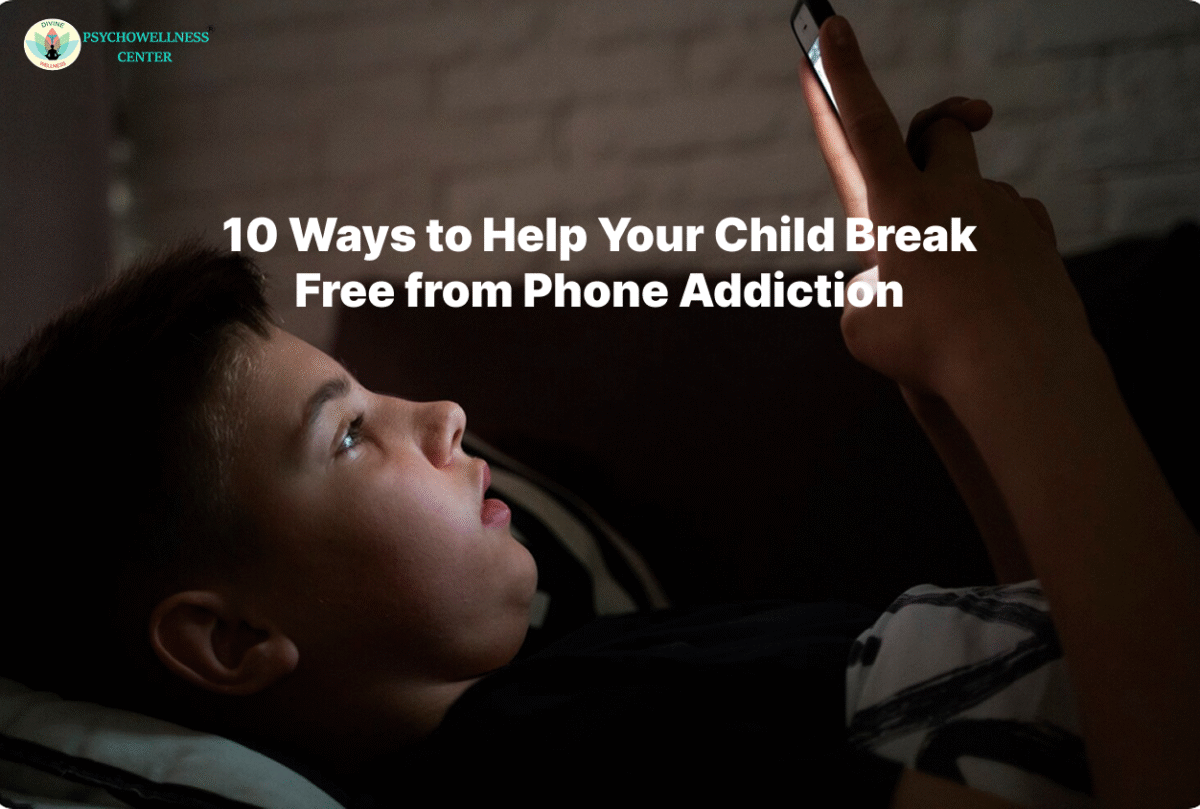
In today’s hyperconnected world, children are spending more time on their phones than ever before. While technology can be a great learning tool, excessive screen time can lead to serious issues like stress, anxiety, anger, behavioural issues, developmental delays, communication issues, depression, and social isolation. As a parent, it’s important to take proactive steps to help your child build a healthy relationship with technology.
If you’re concerned your child may be addicted to their phone, you’re not alone. Many parents struggle to find a balance between screen time and real-life interactions. The good news is that there are practical, effective strategies you can use to guide your child away from digital dependency and back into a more balanced, connected, and emotionally healthy lifestyle.
Here are 10 ways to help your child break free from phone addiction:
1.Be a Role Model
Children learn by example. If you’re constantly on your phone, checking messages, or scrolling through social media, they will mimic your behaviour. One of the first and most powerful steps you can take is to demonstrate balanced phone use.
Set “phone-free” times in your own schedule—during meals, family time, or one-on-one conversations. Show them that real-world connections matter more than virtual ones. Modelling this behaviour helps reduce communication issues and reinforces healthier habits.
2.Set Clear Boundaries and Limits
Kids thrive with structure. Establish rules around when, where, and how long phones can be used. For instance, no phones during meals, before homework is completed, or after a certain time at night.
Use parental controls and screen time monitoring apps to help enforce these limits. Overuse of phones, especially before bed, has been linked to poor sleep, stress, and anxiety in children. Limiting access can significantly improve mental and emotional well-being.
3.Create a Phone-Free Zone
Designate specific areas of your home as “phone-free zones”—such as bedrooms, the dining room, and study areas. These spaces should encourage conversation, focus, and relaxation without digital distractions.
A phone-free bedroom, in particular, can help improve sleep hygiene and reduce depression and social isolation that often stem from late-night scrolling or online social comparison.
4. Encourage Offline Activities
Help your child discover hobbies and interests that don’t involve screens. Sports, music, art, reading, and outdoor play are all excellent ways to promote healthy brain development and emotional regulation.
Being engaged in meaningful, offline activities not only curbs phone use but also reduces behavioral issues by channeling energy into productive outlets. It also builds confidence and a sense of purpose that the digital world often lacks.
5.Talk Openly About the Risks
Many kids don’t realize the long-term consequences of excessive screen time. Talk to them—without judgment—about how phone addiction can lead to developmental delays, communication issues, and even mental health challenges like depression, stress, and anxiety.
Use age-appropriate language to explain how the brain responds to screen time, and why balance is necessary. Make it a two-way conversation so they feel heard and understood, not attacked.
6. Teach Emotional Regulation
A major reason kids turn to phones is to escape uncomfortable emotions—anger, sadness, boredom, or loneliness. Teach them healthy ways to process these feelings instead of numbing them with a screen.
You can practice mindfulness exercises, journaling, or simple breathing techniques together. Helping your child understand their emotions and build resilience can reduce dependency on their phone for emotional relief.
7. Reward Positive Behavior
Instead of punishing excessive phone use, focus on positively reinforcing the behaviors you want to see. When your child sticks to screen time limits or chooses to engage in an offline activity, acknowledge it.
Offer small rewards or privileges, or simply give them your full attention and praise. This helps create a positive feedback loop that encourages more balanced behavior.
8.Use Tech to Fight Tech
Ironically, some apps and tools can help your child reduce screen time. Screen management apps can track usage and set daily limits. There are also mindfulness and habit-building apps that help children become more aware of how and when they use their devices.
Introduce them to apps that support mental well-being, learning, or creative expression—turning their screen time into something constructive instead of mindless.
9. Spend Quality Time Together
Phone addiction often thrives in emotional voids. When children don’t feel connected to their parents or family, they may turn to their phones for comfort, entertainment, or social validation.
Make time every day to talk, play, or share an activity together. These moments of connection can help reduce social isolation and depression by fostering a sense of belonging and love. Even just 15 minutes of undivided attention each day can make a big difference in your child’s emotional health.
10. Seek Professional Help if Needed
If your child’s phone use is severely impacting their mental health, school performance, or relationships, it may be time to consult a therapist or counselor. Children struggling with anxiety, anger, depression, or behavioral issues may need more support than you can provide on your own. A mental health professional can help your child uncover the root cause of their dependency and develop healthier coping strategies.
Conclusion
Parenting has never been easy, and the digital age has added a whole new layer of complexity. The goal isn’t to ban technology altogether—phones and screens are a part of modern life—but rather to create a healthy balance that supports your child’s development and emotional well-being. Excessive phone use can lead to serious consequences, including developmental delays, stress, anxiety, depression, anger, and social isolation. But with intentional parenting, open communication, and consistent boundaries, you can help your child break free from phone addiction and thrive both online and offline.
Remember, it’s not about controlling your child—it’s about guiding them. By being present, setting limits, and creating a strong emotional connection, you empower your child to develop healthier habits, stronger relationships, and a more balanced life.
The Psychowellness Center, located in Dwarka Sector-17 and Janakpuri, New Delhi (011-47039812 / 7827208707), offers specialised services such as child counselling, behavioural therapy, CBT, parental guidance, and family counselling to address issues like phone addiction and emotional regulation. Their experienced team—including child psychologists, parenting coaches, and the best psychologist near me—provides evidence-based strategies to help parents manage screen-time challenges, foster emotional resilience, and strengthen family bonds. For parents seeking flexible and accessible support, TalktoAngel offers online counselling and therapy sessions tailored to modern parenting challenges. By combining professional expertise with compassionate guidance, these services empower parents to help their children build healthier digital habits and lead more balanced, connected, and fulfilling lives.
Contribution: Dr. R.K. Suri, Clinical Psychologist, and Ms. Drishti Rajore, Counselling Psychologist
References
- American Academy of Pediatrics. (2016). Media and young minds. Pediatrics, 138(5), e20162591. https://doi.org/10.1542/peds.2016-2591
- Twenge, J. M., & Campbell, W. K. (2018). Associations between screen time and lower psychological well-being among children and adolescents: Evidence from a population-based study. Preventive Medicine Reports, 12, 271–283. https://doi.org/10.1016/j.pmedr.2018.10.003
- World Health Organization. (2019). Guidelines on physical activity, sedentary behaviour and sleep for children under 5 years of age. World Health Organization. https://www.who.int/publications/i/item/9789241550536