
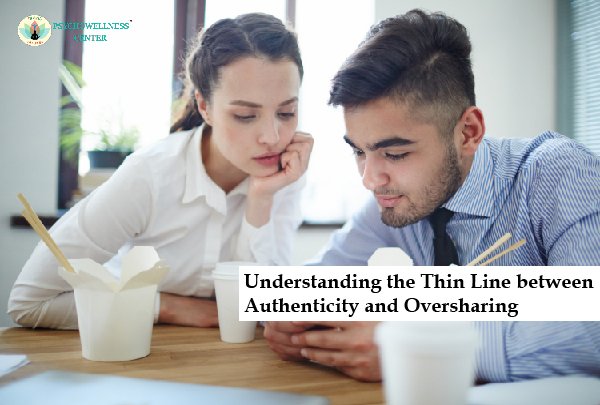
In today’s world of constant online interaction and emotional openness, people are increasingly encouraged to “be authentic” and express their true selves. Social media platforms, podcasts, self-help discussions, and therapy-related conversations have normalized emotional sharing more than ever before. While authenticity is essential for building trust, meaningful relationships, and emotional well-being, there is also a growing concern about oversharing. Many individuals struggle to understand where healthy openness ends and emotional overexposure begins.
The line between authenticity and oversharing can sometimes feel very thin. Being emotionally honest allows people to connect deeply with others, but revealing too much too quickly or without appropriate boundaries may create discomfort, emotional vulnerability, or strained relationships. Understanding this balance is important for maintaining healthy communication, emotional safety, and self-respect.
What Does Authenticity Mean?
Being sincere, truthful, and loyal to oneself is what it means to be authentic. Authentic people express their emotions, thoughts, and values without pretending to be someone they are not. They communicate honestly while remaining aware of social and emotional boundaries.
Authenticity involves:
- Expressing emotions honestly
- Being comfortable with one’s identity
- Communicating openly and respectfully
- Accepting imperfections
- Building relationships based on trust rather than performance
Authentic communication creates emotional intimacy because it encourages vulnerability and trust. When people share their true feelings appropriately, others often feel safer to do the same. This emotional openness strengthens friendships, romantic relationships, and family bonds.
For example, telling a close friend that you are struggling emotionally after a stressful life event is an authentic expression. It allows emotional support and genuine connection to develop.
What Is Oversharing?
Oversharing occurs when individuals disclose excessive personal information without considering timing, emotional boundaries, context, or the comfort of others. It often involves revealing deeply personal experiences too quickly or in inappropriate settings.
Examples of oversharing may include:
- Sharing intimate relationship details publicly
- Discussing trauma with strangers immediately after meeting them
- Posting highly emotional personal conflicts on social media
- Revealing private family issues excessively
- Seeking emotional validation from everyone around
Unlike authenticity, oversharing often lacks emotional boundaries. While authentic communication strengthens connection, oversharing can sometimes make others feel overwhelmed, uncomfortable, or emotionally responsible for issues they are not prepared to handle.
Oversharing is not always intentional. Sometimes individuals share excessively because they feel lonely, emotionally overwhelmed, anxious, or deeply in need of validation and support.
Why Do People Overshare?
There are many emotional and psychological reasons why people overshare. In some cases, it stems from a desire for emotional connection and acceptance. People may believe that revealing personal details quickly will help them feel understood or closer to others.
Common reasons for oversharing include:
Emotional Loneliness
People who feel emotionally isolated may disclose personal information rapidly in hopes of creating immediate closeness and support.
Anxiety and Emotional Impulsivity
Some individuals speak openly without filtering their thoughts because of emotional impulsiveness or anxiety during conversations.
Validation-Seeking Behavior
Social media culture often encourages public sharing for emotional reassurance through likes, comments, and attention.
Lack of Emotional Boundaries
Many individuals were never taught healthy communication boundaries. As a result, they may struggle to identify what is appropriate to share and with whom.
Trauma Responses
People who have experienced emotional neglect or trauma sometimes overshare as a coping mechanism to process unresolved emotions.
Understanding these underlying reasons is important because oversharing is often connected to unmet emotional needs rather than attention-seeking alone.
The Role of Social Media
Social media has significantly blurred the boundary between healthy openness and oversharing. Platforms encourage constant updates about personal experiences, emotions, relationships, and struggles. While sharing personal stories can reduce stigma around mental health and emotional challenges, excessive public exposure may affect emotional well-being.
Many people post emotional content impulsively during moments of stress, anger, or sadness. However, once shared publicly, personal information becomes difficult to control. Oversharing online may lead to:
- Regret or embarrassment later
- Unwanted judgment or criticism
- Emotional dependency on online validation
- Loss of privacy
- Strained personal relationships
Authenticity on social media does not require sharing every emotional experience publicly. Healthy emotional boundaries remain important even in digital spaces.
Healthy Emotional Boundaries
Boundaries help individuals protect their emotional well-being while maintaining meaningful relationships. Healthy communication involves deciding:
- What to share
- When to share
- With whom to share
- How much to share
Authenticity does not mean revealing every thought or emotion immediately. Emotional maturity includes understanding context and respecting both personal and relational boundaries.
Some signs of healthy emotional sharing include:
- Feeling emotionally safe with the person
- Sharing gradually over time
- Respecting privacy
- Considering the listener’s emotional capacity
- Maintaining self-awareness during conversations
Healthy boundaries create balanced relationships where openness exists alongside emotional respect.
How Oversharing Affects Relationships
Oversharing can sometimes create emotional imbalance within relationships. When one person reveals deeply personal information too quickly, the other individual may feel emotionally pressured or overwhelmed.
In friendships and romantic relationships, oversharing may:
- Create discomfort or awkwardness
- Reduce emotional trust over time
- Lead to judgment or misunderstanding
- Cause emotional exhaustion
- Blur personal boundaries
Additionally, excessive emotional disclosure may unintentionally shift relationships into caretaker dynamics, where one person feels responsible for managing the other’s emotional state.
Balanced communication allows relationships to grow naturally through trust and mutual emotional exchange.
The Importance of Self-Awareness
Self-awareness plays a major role in understanding the difference between authenticity and oversharing. Before sharing something personal, individuals can ask themselves:
- Why am I sharing this?
- Am I seeking support or validation?
- Is this the right person and setting?
- Will I feel comfortable about this later?
- Am I emotionally regulated right now?
These questions help individuals communicate more intentionally rather than impulsively.
Authentic communication is thoughtful and emotionally grounded, whereas oversharing often happens during emotionally heightened moments.
Role of Counseling and Emotional Support
Professional individual counseling can help individuals develop healthier emotional boundaries and communication patterns. Many people who struggle with oversharing may also experience anxiety, low self-esteem, unresolved trauma, or difficulties with emotional control. Therapy helps individuals understand the emotional needs behind their communication habits while building healthier coping strategies.
At Psychowellness Center, mental health professionals like the best psychologists in India, best counselors near me, and best psychologists in Dwarka provide guidance for emotional regulation, self-awareness, interpersonal relationships, and healthy communication skills. Individuals struggling with emotional boundaries, relationship challenges, anxiety, or self-esteem concerns can benefit from professional psychological support. Psychowellness Center has branches in Janakpuri and Dwarka Sector 17. For appointments and counseling support, individuals can contact 011-47039812 or 7827208707.
Conclusion
Authenticity is an important part of emotional health and meaningful relationships. Being genuine allows people to connect deeply, express emotions honestly, and build trust with others. However, authenticity must be balanced with healthy emotional boundaries. Oversharing can sometimes create discomfort, emotional vulnerability, and strained relationships when personal information is disclosed excessively or impulsively.
Understanding the difference between openness and overexposure helps individuals communicate more effectively and protect their emotional well-being. Healthy communication involves honesty, self-awareness, emotional regulation, and respect for personal boundaries. By learning to share thoughtfully and intentionally, individuals can maintain authentic relationships while preserving emotional balance and self-respect.
Contributions: Dr. R.K. Suri, Clinical Psychologist, and Ms. Sakshi Dhankhar, Counselling Psychologist
References
Brown, B. (2012). Daring greatly: How the courage to be vulnerable transforms the way we live, love, parent, and lead. Gotham Books.
Derlega, V. J., & Grzelak, J. (1979). Appropriateness of self-disclosure. In G. J. Chelune (Ed.), Self-disclosure: Origins, patterns, and implications of openness in interpersonal relationships (pp. 151–176). Jossey-Bass.
https://www.psychowellnesscenter.com/Blog/fine-line-between-oversharing-and-intimacy/
https://www.psychowellnesscenter.com/Blog/reshaping-a-blurred-identity-due-to-social-media-overuse/
https://www.psychowellnesscenter.com/Blog/ways-to-recognize-your-authentic-self/
https://www.psychowellnesscenter.com/Blog/how-to-set-boundaries-without-over-explanation/
American Psychological Association. (2023). Healthy boundaries in relationships. Retrieved from https://www.apa.org
Jourard, S. M. (1971). Self-disclosure: An experimental analysis of the transparent self. Wiley-Interscience.