
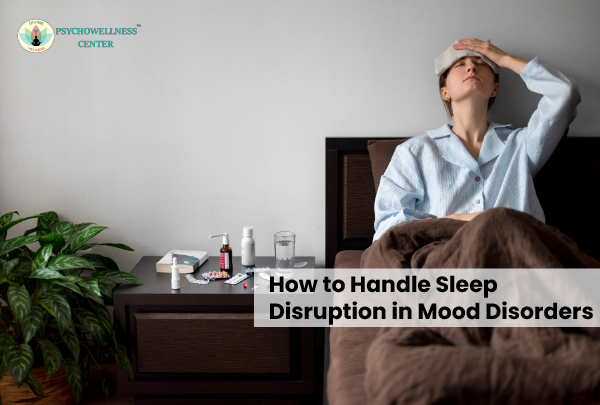
Sleep and mood are closely interconnected. Disturbances in sleep patterns are not only a symptom of mood-related concerns but can also contribute to their onset and persistence. Individuals experiencing depression, anger issues, fatigue, frustration, or anxiety often report difficulty falling asleep, staying asleep, or maintaining a consistent sleep schedule. In some cases, sleep disruption can intensify emotional instability, reduce concentration, and affect overall functioning.
Understanding how sleep interacts with mood is essential for managing both effectively.
The Link Between Sleep and Mood Disorders
Sleep plays a critical role in regulating emotional processes, cognitive functioning, and physical health. When sleep is disrupted, the brain’s ability to process emotions and manage stress becomes less efficient.
In conditions such as depression, individuals may experience insomnia or excessive sleeping, both of which can worsen low mood and fatigue. Similarly, anxiety can lead to racing thoughts and heightened alertness, making it difficult to relax and fall asleep.
This leads to an endless cycle in which insufficient sleep exacerbates mood, and depressed mood increases a negative sleep disturbance.
Common Patterns of Sleep Disruption
Sleep disturbances in mood-related concerns can take several forms. Difficulty falling asleep, frequent awakenings during the night, or waking up earlier than intended are common patterns.
Some individuals may also experience irregular sleep schedules, where sleep and wake times vary significantly. Others may rely on daytime naps, which can further disrupt nighttime sleep.
Recognising these patterns is the first step toward managing them effectively.
Establishing a Consistent Sleep Routine
One of the most effective ways to manage sleep disruption is to maintain a consistent sleep schedule. Going to bed and waking up at the same time each day helps regulate the body’s internal clock.
Even on weekends or non-working days, consistency supports better sleep quality over time. Gradual adjustments are often more sustainable than abrupt changes. A stable routine provides a foundation for improving both sleep and mood.
Managing Pre-Sleep Thoughts and Anxiety
Racing thoughts or worry before bedtime are common in individuals experiencing anxiety. These thoughts can delay sleep onset and increase frustration.
Techniques such as structured relaxation, breathing exercises, or journaling can help reduce mental activity before sleep. Writing down concerns or planning tasks for the next day may reduce the tendency to ruminate at night.
Therapeutic approaches like CBT (Cognitive Behavioural Therapy) are often used to address unhelpful thought patterns that interfere with sleep.
Creating a Sleep-Conducive Environment
The sleep environment plays an important role in regulating rest. A quiet, dark, and comfortable setting supports better sleep quality.
Reducing screen exposure before bedtime is also important, as light from devices can interfere with the body’s natural sleep signals. Establishing a pre-sleep routine that signals relaxation can help the body transition into sleep more effectively.
Small environmental adjustments can have a significant cumulative impact.
Limiting Behavioural Factors That Disrupt Sleep
Certain habits can unintentionally worsen sleep difficulties. Irregular sleep timings, excessive caffeine intake, or late-night stimulation can interfere with the ability to fall asleep.
Daytime naps, particularly long or late naps, may reduce sleep pressure at night. Gradually reducing these habits can support more consistent sleep patterns.
Behavioural adjustments are often a key component of improving sleep quality.
Addressing Emotional Regulation
Sleep disruption and emotional regulation are closely linked. When individuals struggle to manage emotions, it can affect their ability to relax and rest.
Improving emotional awareness and regulation helps reduce overall stress levels, which in turn supports better sleep. Techniques drawn from DBT (Dialectical Behaviour Therapy) may be used to build these skills.
Over time, improved emotional regulation contributes to more stable sleep patterns.
When Medication or Medical Evaluation May Be Needed
In some cases, sleep disruption may require medical evaluation, particularly if it is severe or persistent. Underlying conditions or medication effects may contribute to sleep difficulties.
Consulting a qualified professional ensures that all contributing factors are considered and addressed appropriately.
Professional guidance helps determine whether additional interventions are necessary.
The Importance of Integrated Treatment
Managing sleep disruption in mood-related concerns often requires an integrated approach. Addressing sleep alone may provide temporary relief, but long-term improvement depends on managing the underlying mood condition.
Therapy, lifestyle adjustments, and, when necessary, medical support work together to create sustainable change. This comprehensive approach improves both sleep and overall well-being.
When to Seek Professional Support
If sleep difficulties persist despite self-help strategies or if they significantly affect daily functioning, professional support may be beneficial. Chronic insomnia, severe fatigue, or worsening mood symptoms are indicators that intervention may be needed.
Early support can prevent the cycle of sleep disruption and mood instability from becoming more entrenched.
Conclusion
Sleep disruption is a common and impactful component of mood-related concerns. By understanding the relationship between sleep and emotional health, individuals can take structured steps to improve both. Consistent routines, cognitive strategies, and emotional regulation all play a role in restoring healthy sleep patterns.
Individuals considering support options such as counselling near me, therapist near me, psychologist in Delhi, Counselling Doctor Near me, or seeking guidance from best psychologists and top psychologists in Delhi may consider consulting the Psychowellness Center. With centres located in Janakpuri and Dwarka Sec-17, Delhi, services are offered through a structured and confidential approach; appointments can be scheduled at 011-47039812 or 7827208707.
Contributions: Dr. R.K. Suri, Clinical Psychologist, and Ms. Charavi Shah, Counselling Psychologist
References
- Baglioni, C., Battagliese, G., Feige, B., Spiegelhalder, K., Nissen, C., Voderholzer, U., Lombardo, C., & Riemann, D. (2011). Insomnia as a predictor of depression: A meta-analytic evaluation of longitudinal epidemiological studies. Journal of Affective Disorders, 135(1–3), 10–19. https://doi.org/10.1016/j.jad.2011.01.011
- Beck, A. T. (1976). Cognitive therapy and the emotional disorders. International Universities Press.
- https://www.psychowellnesscenter.com/Blog/overcoming-sleep-disruption-and-preventing-risk-of-psychosis/
- https://www.psychowellnesscenter.com/Blog/how-sleep-deprivation-alters-emotional-regulation/
- https://www.psychowellnesscenter.com/Blog/sleep-deprivation-and-mental-health/
- https://www.psychowellnesscenter.com/Blog/how-lack-of-sleep-affects-academic-performance-and-focus/