
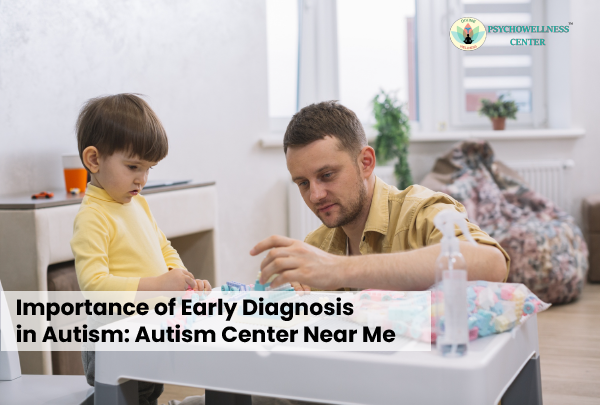
Early infancy is a crucial time for learning, development, and emotional maturation. When developmental concerns arise, timely identification becomes essential. One such condition that benefits significantly from early detection is autism, a neurodevelopmental disorder that affects communication, behavior, and social interaction. Recognizing early signs and seeking professional support can make a transformative difference in a child’s life.
Understanding Autism and Early Signs
Challenges in social communication, repetitive behaviors, and restricted interests characterize Autism Spectrum Disorder (ASD). Research highlights that signs of autism can often be identified as early as 12–24 months of age, making early screening crucial for timely intervention.
Parents may notice indicators such as:
- Limited eye contact or response to name
- Delayed speech or developmental delay
- Difficulty in forming a relationship with peers
- Repetitive movements or behaviors
Ignoring these signs or delaying consultation may reduce the effectiveness of early interventions.
Why Early Diagnosis Matters
Early diagnosis is not just about labeling a condition; it is about unlocking opportunities for growth and support. Studies show that children diagnosed early show better outcomes in communication, social skills, and overall quality of life.
1. Brain Development Advantage
The early years are a sensitive period for brain development. Timely intervention helps shape neural pathways, improving learning and adaptability.
2. Improved Behavioral Outcomes
Children often struggle with anger, frustration, or emotional outbursts due to communication barriers. Early intervention helps build emotional control and coping strategies.
3. Enhanced Social Skills
Early support enables children to better navigate social interactions, reducing interpersonal problem difficulties and promoting healthy peer relationships.
4. Reduced Long-Term Challenges
Delayed diagnosis can lead to increased academic, emotional, and behavioral issues later in life. Early identification helps prevent these complications.
Research also highlights that delays in diagnosis and intervention are common, emphasizing the need for greater awareness and early screening practices.
Role of Therapy in Early Intervention
Once a diagnosis is made, a combination of therapies is typically recommended to support the child’s development. These interventions are tailored to the child’s needs and focus on improving communication, behavior, and daily functioning.
Occupational Therapy
Occupational therapy plays a key role in helping children develop essential life skills such as motor coordination, sensory processing, and independence in daily activities.
Behavioral and Communication Therapy
These therapies focus on improving speech, social interaction, and behavioral regulation, helping children engage more effectively with their environment.
Psychological Support
Working with a trained child psychologist can help address emotional challenges, build confidence, and improve self-esteem.
Family Involvement
Parents and caregivers are an integral part of the intervention process. Guidance and training help families support their child’s progress at home.
Importance of Seeking Professional Help Early
Many parents adopt a “wait and watch” approach when they notice delays, hoping the child will outgrow the issue. However, evidence strongly suggests that early diagnosis and intervention significantly improve developmental outcomes .
Searching for services like Autism Center near me, autism therapy near me, or Child Counseling Near me can be the first step toward accessing professional support. Early consultation ensures:
- Accurate assessment and diagnosis
- Customized intervention plans
- Continuous monitoring of progress
Specialized centers offer multidisciplinary care, including therapists, psychologists, and pediatric specialists working together to provide holistic support.
How Early Intervention Impacts Long-Term Outcomes
Early assistance increases a child’s likelihood of:
- Develop better communication skills
- Improve social engagement
- Achieve greater independence
- Perform better academically
Research indicates that children diagnosed and treated earlier show greater improvements compared to those diagnosed later . Early support can even reduce the severity of symptoms and enhance overall functioning.
Overcoming Stigma and Building Awareness
Despite growing awareness, stigma and misconceptions around autism still exist. Many families hesitate to seek help due to fear of labeling or social judgment. However, early diagnosis is not a limitation, it is an opportunity.
Creating awareness about early signs, encouraging routine developmental screening, and promoting acceptance are essential steps toward supporting children and families.
Finding the Right Autism Support Services
Choosing the right support system is crucial for effective intervention. When looking for an autism center, consider:
- Qualified professionals and multidisciplinary teams
- Evidence-based therapeutic approaches
- Individualized treatment plans
- Parent training and involvement
Platforms like TalktoAngel and Psychowellness Center provide access to professional counselling and therapy services, helping families connect with experienced therapists and specialists.
Conclusion
It is very important to find autism early. Identifying signs at an early stage allows for timely intervention, better developmental outcomes, and improved quality of life for children and their families. Instead of waiting, taking proactive steps, such as consulting a specialist, seeking therapy, and accessing reliable support services, can make a lasting difference. Early action empowers children to reach their full potential and lead fulfilling lives.
To learn more about early identification and intervention for autism, you can explore professional support at the Psychowellness Center. Services are available in-person at Dwarka and Janakpuri, New Delhi (Contact: 011-47039812 / 7827208707) and online through TalktoAngel, making it convenient for parents to access guidance from qualified professionals. With the support of trained specialists, children can receive timely assessment and personalized interventions to improve communication, social skills, and overall development, helping them build self-confidence and achieve their full potential in a safe and nurturing environment.
Early identification of Autism plays a crucial role in supporting a child’s overall growth and development. Recognizing signs such as Developmental Delays allows parents and professionals to initiate timely interventions that can significantly improve outcomes. With appropriate guidance and therapy, children can gradually build better Emotion Control, helping them navigate social situations and daily challenges more effectively. Early support not only enhances developmental progress but also fosters confidence and independence in children.
Contributions: Dr. R.K. Suri, Clinical Psychologist, and Ms. Mahima Mathur, Counselling Psychologist
REFERENCES
Alonso-Esteban, Y., & Alcantud-Marín, F. (2022). Screening, diagnosis and early intervention in autism spectrum disorders. Children, 9(2), 153. https://doi.org/10.3390/children9020153
Choueiri, R., Garrison, W. T., & Tokatli, V. (2023). Early identification of autism spectrum disorder (ASD): Strategies for use in local communities. Indian Journal of Pediatrics, 90, 377–386. https://doi.org/10.1007/s12098-022-04172-6
Zwaigenbaum, L., et al. (2015). Early intervention for children with autism spectrum disorder. Journal of the American Academy of Child & Adolescent Psychiatry.
https://www.psychowellnesscenter.com/service-autism-occupational-therapy/
https://www.psychowellnesscenter.com/Blog/therapies-for-children-with-autism-spectrum-disorder/